- Marriage never merges credit files, so authorized-user and joint-card decisions are the only ways one partner's history touches the other's.
- An authorized user isn't legally responsible for the balance, even if the couple splits the cost between themselves.
- A single shared flat-rate card plus one backup beats a multi-card optimization scheme for most couples.
Quick answer
Couples have three real options: two separate primary cards, one partner added as an authorized user on the other's card, or one shared household card that both partners use. Authorized-user status can help build the added partner's credit file, but only if the issuer reports it that way, and the primary cardholder remains the one legally on the hook for the balance either way. Marriage doesn't combine credit reports or scores, so this is a deliberate choice, not something that happens automatically. For most households, one clearly-owned shared card plus a backup captures most of the value without turning grocery runs into a rewards-optimization exercise. Understanding how couples should build a shared credit card strategy starts with aligning on ownership and payment responsibility before opening any new accounts.
Choose your setup this way
Two separate primary cards work well if:
-
Each partner wants their own credit-building history independent of the other.
-
Your spending naturally splits by category, so each card earns close to its best rate without coordination.
An authorized-user setup works well if:
-
One partner has a thin or newer credit file and the other's card issuer reports authorized-user activity to that file.
-
You want one account and one bill instead of two, and you trust shared access to it.
One shared household card works well if:
-
You want the simplest possible system: one card, one due date, one place both partners' spending shows up.
-
Neither of you wants to track which card covers which category across two people.
Your situation as a couple, and the structure that fits
- Recommended structure
- Authorized user on the partner with stronger credit, if the issuer reports it
- Why
- Can add years of history to the newer file at no cost to open a new account.
- Recommended structure
- Two complementary primary cards
- Why
- Each can be matched to real spending without needing to merge anything.
- Recommended structure
- One shared household card plus a backup
- Why
- Covers most spending with the least amount of ongoing coordination.
- Recommended structure
- Assign card ownership by who actually makes each purchase
- Why
- Prevents both partners defaulting to whichever card is easiest to grab.
- Recommended structure
- Skip reward optimization, prioritize the lower-APR card
- Why
- A shared or individual balance in interest outweighs any points strategy.
What the numbers actually look like
Adding a partner as an authorized user costs nothing beyond whatever the primary card's annual fee already is, since most issuers add authorized users free or for a small fee well under what a second full card would cost. Compare that to opening a second premium card with its own $500 in first-year fees and its own tracking, and the authorized-user route often wins on cost alone for a couple who doesn't need a fully separate rewards strategy.
The tradeoff is that the added partner doesn't build their own account history unless the issuer specifically reports authorized-user activity to their file. If credit-building for both partners matters, verify that detail with the issuer before assuming it happens automatically.
Test your own household numbers with the credit card portfolio optimizer before deciding how many cards to run between two people. A Money Map scan is also useful here, since for many couples a shared savings or debt payoff plan matters more than which partner's name is on which card.
Pay-in-full versus revolver verdict
If both partners pay their statements in full, the choice between separate cards, authorized user, and a shared card is mostly about convenience and credit-building goals. If either partner regularly carries a balance, the math changes: interest near the average card APR of 24.00% matters more than which structure earns slightly more rewards, and the couple should prioritize whichever card carries the lower rate, checked against the credit card interest calculator.
Approval, credit files, and what actually merges
Each partner keeps an individual credit file for life; getting married does not combine credit reports, scores, or histories in any way. A joint account will appear on both partners' files, and an authorized-user account may or may not appear on the added partner's file depending on the issuer's reporting practice. What doesn't change under any of these structures is legal liability: whoever is the primary cardholder or joint accountholder owes the debt, regardless of how the couple splits payment responsibility privately.
For the mechanics of authorized-user credit specifically, see partner's own card versus authorized-user card. If you're deciding how many cards the household needs overall, one credit card versus multiple cards and best two-card and three-card setups cover that from a single-person baseline you can apply per partner. Couples considering a bigger three-card strategy together should also read when a credit card trifecta is not worth it before doubling that complexity across two people, and how to choose a backup credit card for the household's fallback option.
How we ranked
We compared each structure by credit-building effect, legal liability clarity, ongoing administrative load, and how well it matched typical two-person spending, rather than by which structure could theoretically earn the most points if run perfectly by both partners.
Compensation disclosure: SwitchWize may earn a referral fee when you apply through partner links. Organic rankings are based on fit and value.
Sources
- CFPB authorized-user guidance explains how authorized-user status works and what it does and doesn't do for credit.
- CFPB guidance on joint accounts and credit covers how marriage does and doesn't affect individual credit files.
- Federal Reserve consumer credit resources explain general card agreement and liability terms.
Terms referenced on this page were verified on July 10, 2026. Offers, fees, APRs, rewards, eligibility, and program rules can change. This article is educational information, not individualized financial advice.
What to Do Now
Frequently Asked Questions
Does adding my partner as an authorized user affect their credit?
Who is legally responsible for an authorized user's spending?
Does marriage merge our credit scores or reports?
Should each partner just optimize their own best card?
What's the simplest setup that still works well?
The 5-minute money briefing
One email per week. New rates, fed moves, and what to actually do about them.
No spam. Unsubscribe anytime.
Act on this: today's top cards


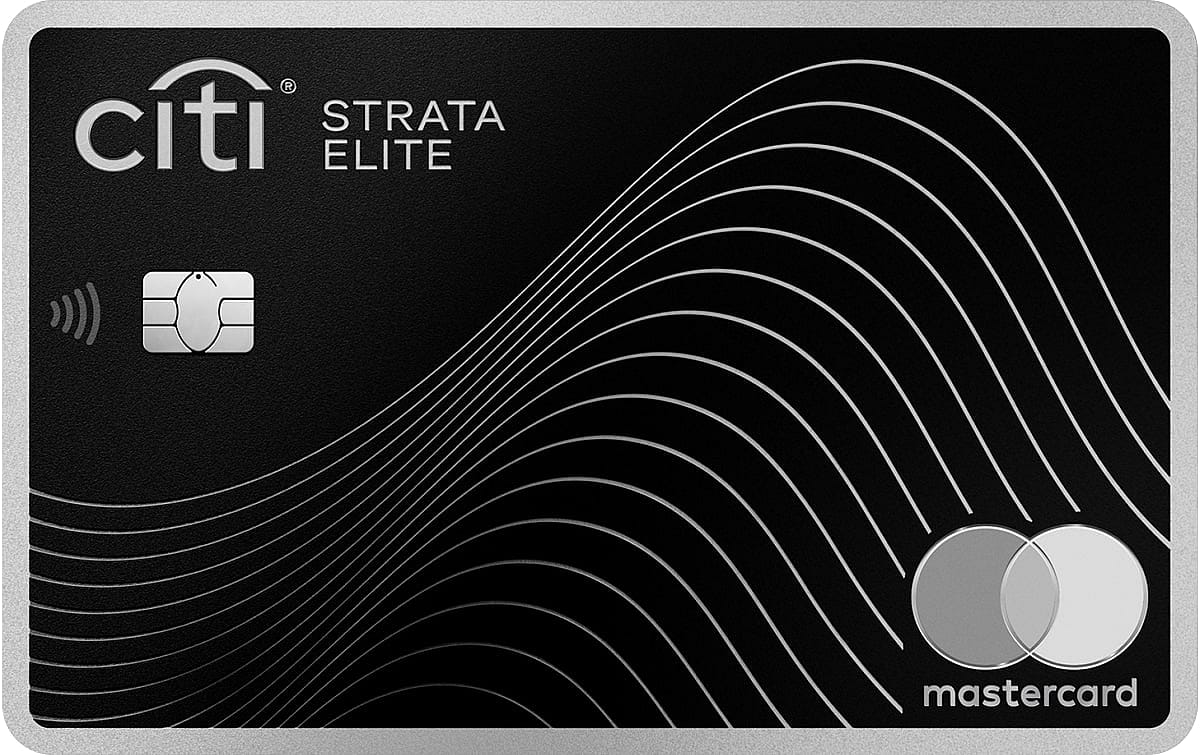
Ranked by SwitchWize's composite score. SwitchWize currently has no compensated product links.
Editorial review
What changed since the last update
Was this guide helpful?
Found an inaccurate, outdated, or missing claim? Report a correction. We verify reports against the relevant source before changing a guide or ranking.
