How to choose
What to weigh before you pick
It usually comes down to 3 things. Compare your options on each before deciding.
What you earn on the spending you actually do.
The fee weighed against the rewards and credits you will use.
The intro offer and the spend required to earn it.
- An authorized user almost never gets their own welcome bonus; that requires opening a separate card.
- Authorized-user status only helps your credit file if that specific issuer reports it, and policy differs by issuer.
- The primary cardholder is legally on the hook for everything an authorized user charges, no matter what the partners agree between themselves.
Quick answer
Choose based on what you actually need. If you want an independent credit history and a shot at your own welcome bonus, open your own card; most issuers will not pay a bonus to someone added as an authorized user. If simplicity matters more and you mainly want a small credit-file boost, becoming an authorized user can work, but only if that issuer actually reports authorized-user activity to the bureaus. Confirm this before assuming it will help. Ultimately, the partner's own card vs authorized user card decision comes down to your priority: independence or convenience.
Either way, the primary cardholder remains legally responsible for all charges on the account, authorized or not. Many couples do both over time: add authorized-user status now for an immediate benefit, then open a separate card for the other partner later once they are ready to capture their own bonus. If either of you carries a balance, resolve that first; the average card APR of 24.00% makes debt the bigger financial decision here, not a credit-building strategy.
Decision table
- What to do
- Add them as an authorized user first, if the issuer reports it
- Why
- Fastest path to a usable credit file
- What to do
- Open a separate card in their name
- Why
- Authorized-user status does not trigger a bonus
- What to do
- Compare that fee against benefits Partner B would actually use
- Why
- A fee with no matching benefit is a net loss
- What to do
- Skip authorized-user status; go straight to their own card
- Why
- The credit-building benefit is smaller when it is not needed
- What to do
- Address the balance first
- Why
- Interest cost outweighs any credit-building or bonus strategy
Choose this if, skip it if
Add Partner B as an authorized user if:
-
They have thin credit and the issuer reports authorized-user activity.
-
There is no meaningful authorized-user fee, or the shared benefits clearly cover it.
Open a separate card for Partner B if:
-
They want their own bonus or their own independent credit file.
-
The primary card's authorized-user fee is not worth it for what they would use.
Skip both for now if:
- Either partner is carrying a balance that a new account or added user would complicate.
Pay-in-full versus revolver verdict
If both partners pay in full, this decision comes down to credit-building goals and simplicity, not cost. If either partner would carry a balance, run the numbers through the credit card interest calculator before adding any account. At the average card APR of 24.00%, interest cost outweighs any credit-history or bonus advantage in short order.
A no-fee authorized-user addition with reported history costs $0 and can meaningfully thicken a thin credit file within a few billing cycles. A separate card with a 60,000-point bonus nets roughly $655 after a $95 fee, a bigger near-term dollar number, but only available to the person who actually opens the account, not an authorized user.
If this decision is part of a bigger household money conversation, a Money Map scan can show where the largest opportunity actually sits.
Approval and credit-tier context
Adding an authorized user typically does not require its own credit check. Opening a separate card does, and approval depends on that partner's own credit file and income, independent of the primary cardholder's standing.
Fees, exclusions, and terms to verify
The primary cardholder is liable for all authorized-user charges. Authorized-user fees vary widely by issuer, from free to a few hundred dollars a year on top-tier travel cards. Some issuers restrict bonus eligibility on a card if you have previously been an authorized user on a similar product, so confirm eligibility before applying for a separate card.
For related decisions, read when an authorized-user fee is worth paying, how to value a credit card welcome bonus, and how to choose a credit card.
How we ranked
We compared the two paths by what each one actually delivers: independent credit history, bonus eligibility, cost, and complexity, rather than assuming one option is always better for every household.
Compensation disclosure: SwitchWize may earn a referral fee when you apply through partner links. That relationship does not change which option we recommend for a given situation.
Sources
- CFPB authorized-user guidance explains what authorized-user status does and does not do for your credit file.
- CFPB credit card cost guidance covers fees and liability on shared or added-user accounts.
Terms referenced on this page were verified on July 10, 2026. Offers, fees, APRs, rewards, eligibility, and program rules can change. This article is educational information, not individualized financial advice.
Frequently Asked Questions
Does being an authorized user actually build my credit?
Can an authorized user get their own welcome bonus?
Is there a cost to adding a partner as an authorized user?
What if we want to build both partners' credit at once?
Who is responsible for authorized-user charges?
The 5-minute money briefing
One email per week. New rates, fed moves, and what to actually do about them.
No spam. Unsubscribe anytime.
Act on this: today's top cards


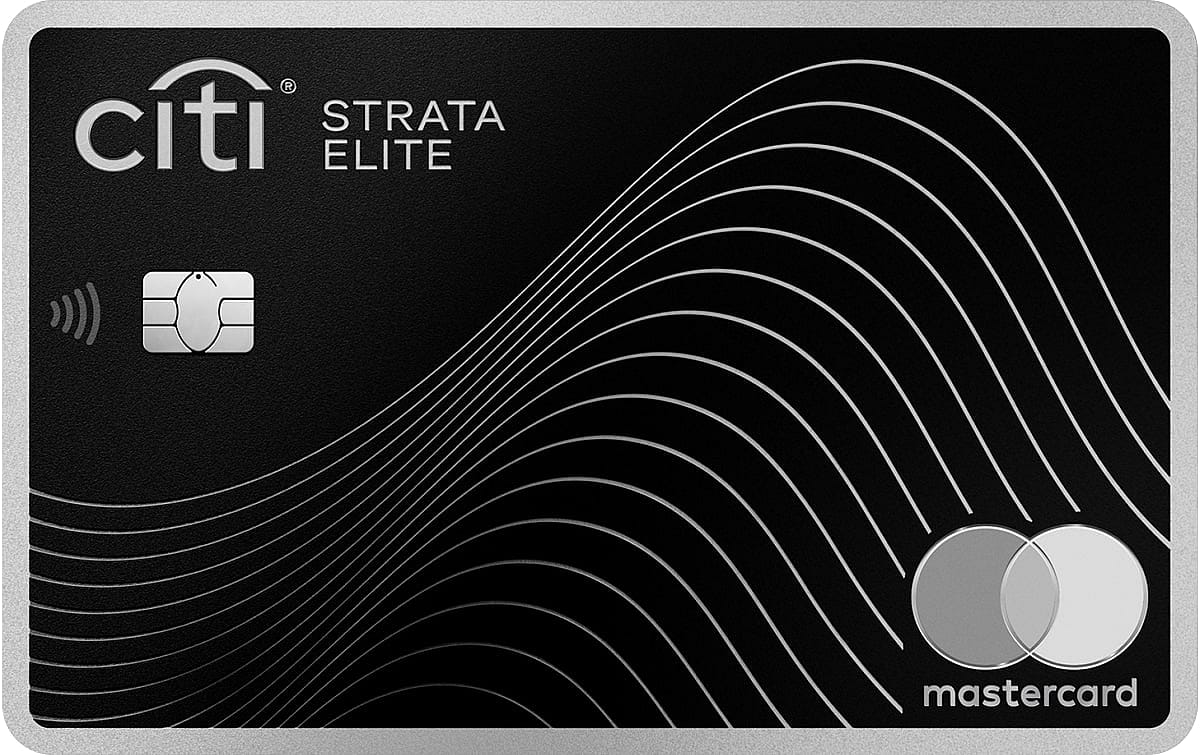
Ranked by SwitchWize's composite score. SwitchWize currently has no compensated product links.
Editorial review
What changed since the last update
Was this guide helpful?
Found an inaccurate, outdated, or missing claim? Report a correction. We verify reports against the relevant source before changing a guide or ranking.
