SwitchWize Research Desk
Money decisions, dollarized.
SwitchWize Research Desk: sharp, sourced explainers on the money decisions that move real dollars. Taxes, retirement, rates, borrowing, and the rules most people get backward.
Series
The Capital Letters
Buffett, Dimon, and Bezos shareholder letters, translated into everyday money decisions.
Latest from the desk
Gold, Silver, Oil, and Bitcoin: What Actually Happened Six Weeks Later
A follow-up accountability check on the viral 'Fed lost credibility' post: what the evidence actually showed in the weeks after, and what still can't be confirmed.
Where to Park Cash: The Yield Is Only Half the Story
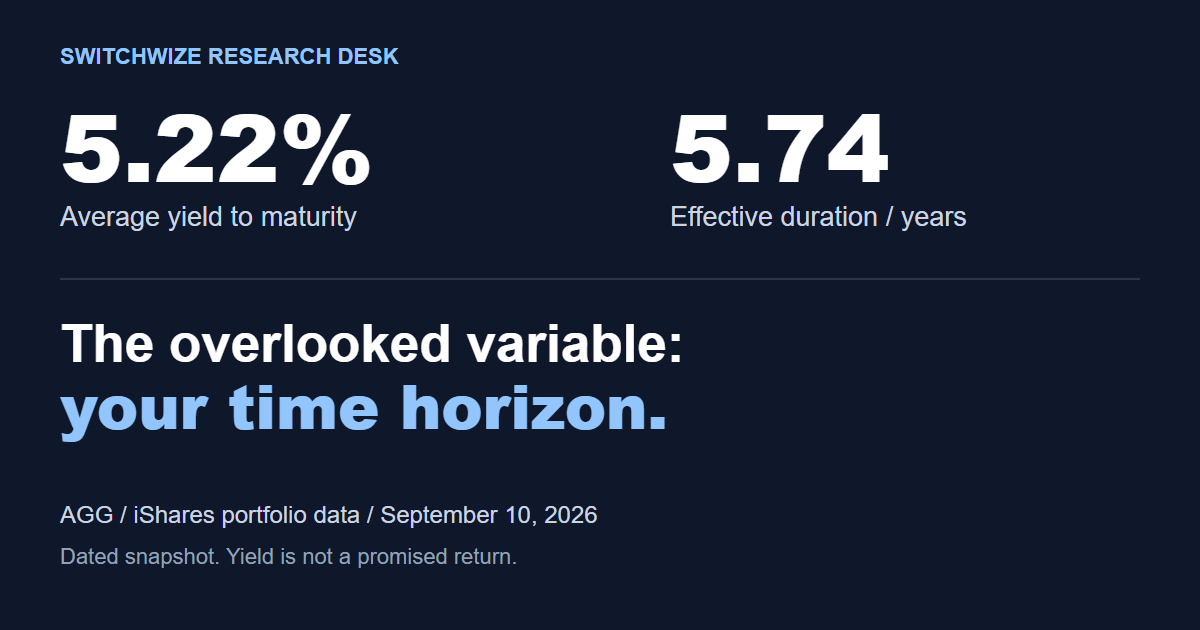
AGG reported 5.22% yield and 5.74 years of duration on September 10, 2026. Six clear visuals explain why your spending deadline matters when comparing bonds, bills, savings, and money funds.
The 2026 Rate Breakout: What Rising Treasury Yields Actually Mean for Your Cash
The 10-year Treasury yield hit 4.95% in September 2026, still below its 66-year average. SwitchWize's own tracked CD data shows banks paying up to 216bps under matching Treasuries.

The $1,223 Holiday: Why a Season of Small Purchases Becomes a Year of Interest
Nothing Lena bought in December cost more than $220. By the time she finishes paying for it, the season could cost her $46 or $1,187, and the difference comes down to a box on her statement that she has never once read.
The Interest Rate Isn't What Decides Your Business Term Loan. This Formula Is, and the Bar Just Moved.
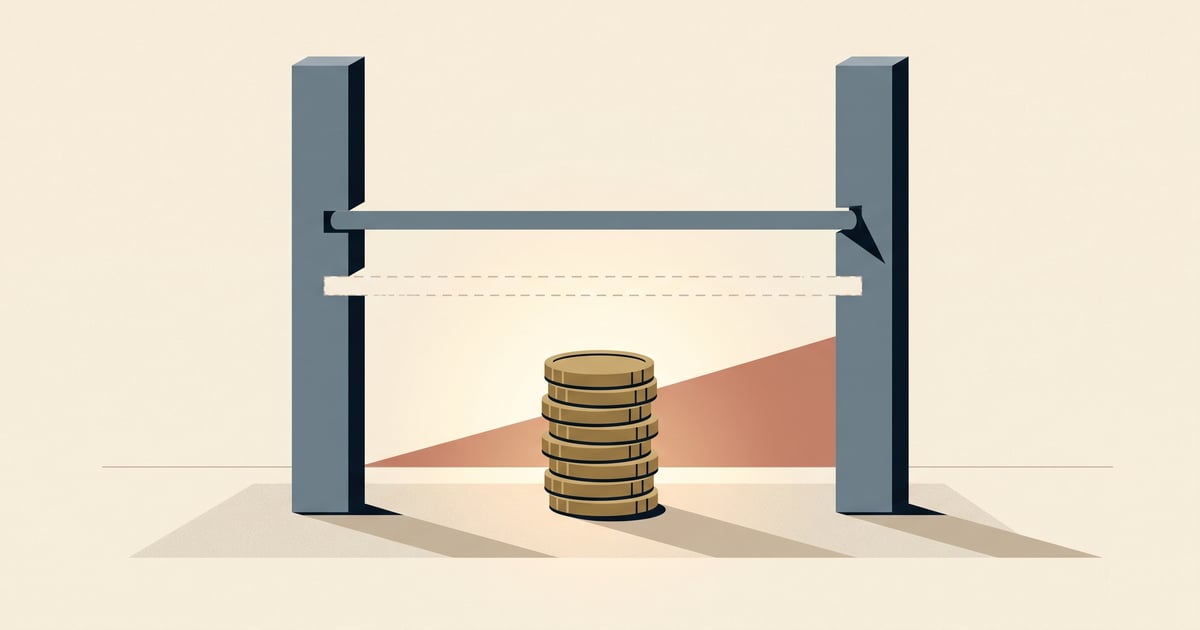
On October 1, 2026, the SBA raises the debt service coverage ratio it requires for most business acquisition loans from 1.15x to 1.25x. The underwriting math behind that single number, not the interest rate, is what actually decides whether a commercial term loan gets approved.
Even With Free, Instant Transfers, Most People Still Don't Move Their Money
An Icelandic dataset with zero switching cost, zero wait, and identical risk found the same non-response as a UK study built entirely around disclosure. That overlap changes what a rate comparison site has to solve.
A Bank Told Its Own Customers It Had a Better Account. Almost Nobody Switched.
A 124,000-person UK field experiment handed savers direct proof their own bank had a better account, 15 minutes and $190 a year away. Switching stayed rare anyway, and the reason changes what a rate comparison actually has to do.
The $105,700 Withdrawal Diane and Mark Never Asked For
A traditional 401(k) or IRA that grows very large doesn't just owe tax on withdrawal, it can force one, at a size and timing the IRS picks instead of you. Here is the 2026 math behind that trap, and the three ways to avoid becoming the couple in it.
The Fed Held Rates in July 2026. Your Savings Account Didn't Notice Either Way
The Fed's July 29, 2026 decision to hold rates left the national average savings rate exactly where it was. A look at why that gap between average and top savings accounts doesn't track Fed announcements the way most people assume.
Five Questions to Ask Before You Believe a Tariff-Inflation Claim
Federal Reserve banks in Minneapolis, Dallas, and St. Louis have published conflicting 2026 research on how much tariffs are driving inflation. Here's how to read competing claims like an economist would.
Gold, Silver, Oil, and Bitcoin Are Rising. What Does That Actually Mean?
A simple story shows how government decisions, Treasury borrowing, Fed policy, banks, markets, inflation, and household finances affect one another.
The 30% Retirement Spending Drop Is Real. Almost No One Actually Feels It.
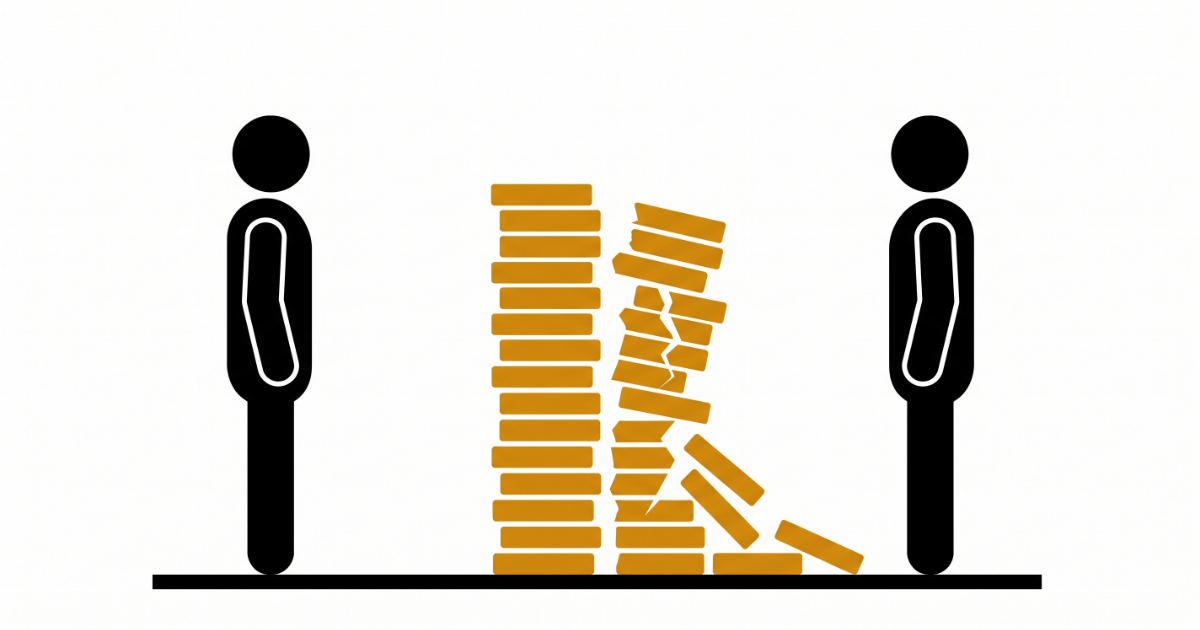
Average retirement spending falls about 30 percent over 25 years, but J.P. Morgan's own account data on 4.7 million households shows most retirees experience that decline as a volatile swing, not a slope, because a decades-long automatic savings habit disappears on one date with nothing built to replace it.
Is the Fed Still Independent? What the Dated Record Actually Shows
A non-partisan look at why the Federal Reserve is legally structured to be independent, what would and wouldn't actually count as a loss of that independence, and what the verifiable 2026 record shows so far.
Why Your Mortgage Rate Won't Just Follow the Fed
Even if the Fed holds or cuts its policy rate, the 30-year mortgage rate doesn't move in lockstep. It tracks the 10-year Treasury yield plus a spread that has stayed historically wide since 2022, and forecasters expect that to keep rates elevated through 2027.
The Quiet Death (and Return) of Debit Card Rewards
Big-bank debit rewards mostly vanished after 2010. A little-known exemption is exactly why credit unions and smaller banks still pay you to swipe — and why Discover's national debit rewards campaign is actually notable.
When Do CD Rates Peak? What Actually Moves Them (It's Not the Calendar)
CD rates don't have a real seasonal pattern. They move with Fed decisions — here's the historical evidence, the current Fed posture, and what to actually watch instead of the calendar.
Will Mortgage Rates Ever Go Back to 3%?
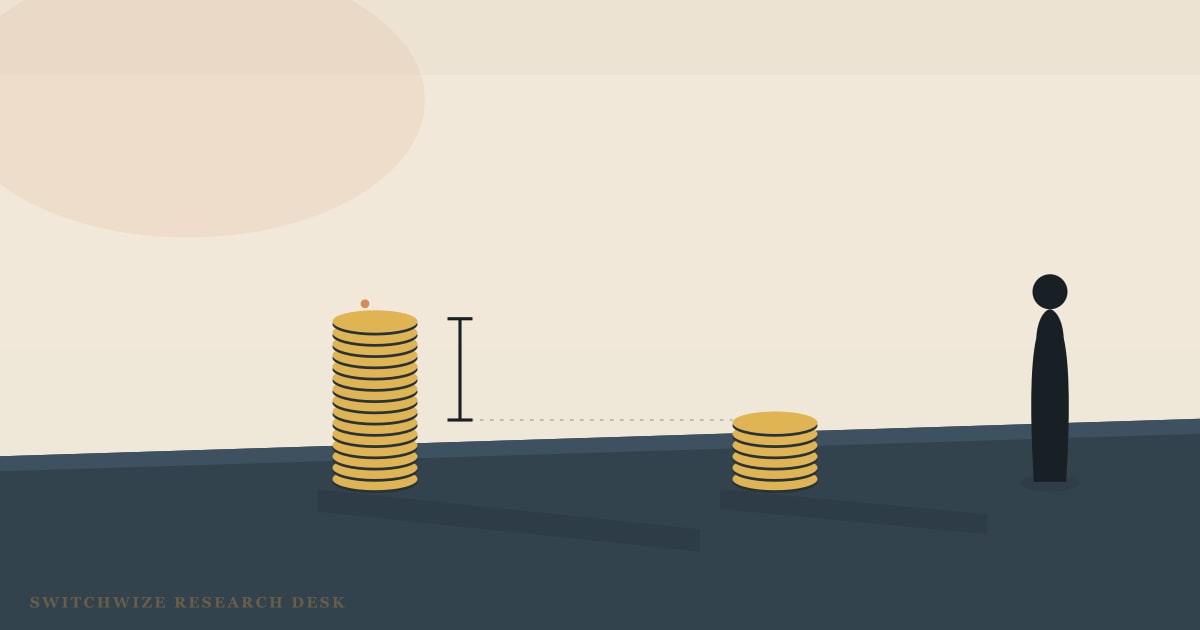
Freddie Mac's 30-year average is 6.67%. Getting back to a 3% mortgage requires a 367-basis-point decline, and it is not something a few Fed rate cuts can do on their own.
Credit Card, Auto, and Student Loan Delinquency Just Hit Multi-Year Records. The Number Was Never Built to Show What's Actually Happening.
Credit card, auto, and student loan delinquency all hit multi-year records in 2026. The Fed's own supplementary data shows a backlog of already-behind borrowers getting stuck, not a fresh wave of new defaults.
The Top 10 Percent Supposedly Drive Half of All Consumer Spending. The Government's Own Survey Says Otherwise.
One economist's chart claimed the wealthiest tenth of Americans account for roughly half of all consumer spending. The government's own household spending survey puts the real number at less than half of that.

The Study About Too Much Choice Doesn't Hold Up. The One About Your 401(k) Does.
The famous jam-tasting study behind "the paradox of choice" doesn't replicate well. A much larger study of 800,000 real 401(k) enrollees found something narrower, stranger, and considerably more consequential.
Buy Now, Pay Later Users Are Paying Late at a Record Rate. The Industry's Own Numbers Were Never Built to Show You That.
Ask Buy Now, Pay Later users themselves, and late payments have climbed every year on record. The industry's preferred safety number moves the other way, but it was built to measure lender risk, not what happens to the person holding the loan.

The 70% Rule Is a Myth. The $124 Trillion Problem Underneath It Isn't.
For 25 years, wealth managers have repeated a statistic that traces to a single 1980s study of 200 manufacturing firms. It's been debunked. What's left is a real, current, much less dramatic problem.
Why Your Raise Doesn't Feel Like a Raise
In May 2026, U.S. consumer sentiment hit its lowest reading since 1952, even as retail sales stayed strong. A hundred-year-old idea explains the gap, and it predicts the opposite of what actually happened.
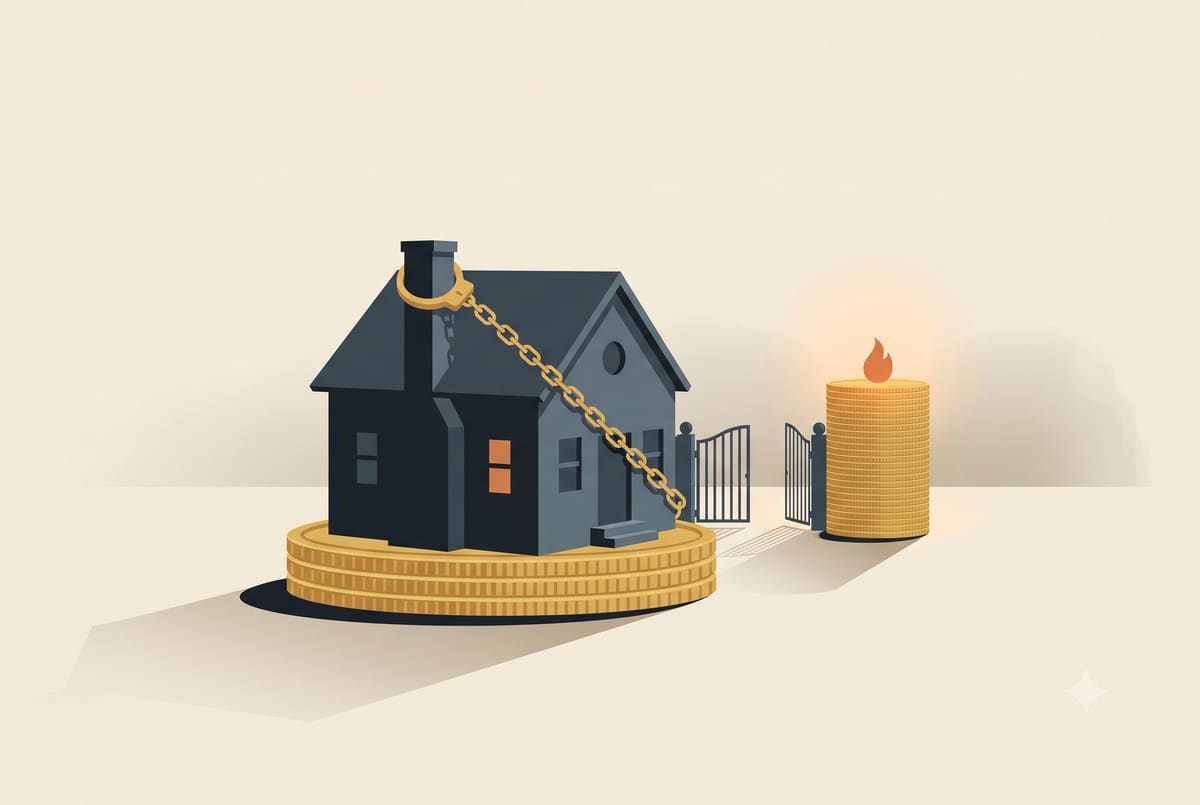
The 3% Mortgage Nobody Will Give Up: Why 50 Million Homeowners Won't Sell
Fifty million Americans are sitting on mortgage rates the market will never offer them again. Federal Reserve research now puts a number on what that's costing the housing market and the economy.

Why a 4% Savings Rate Feels Like a Pay Cut
Today's top savings rates are roughly 100 times the 2021 national average. Savers are calling it a disappointment anyway. Here's the psychology behind why, and what it's costing the people who feel it least.
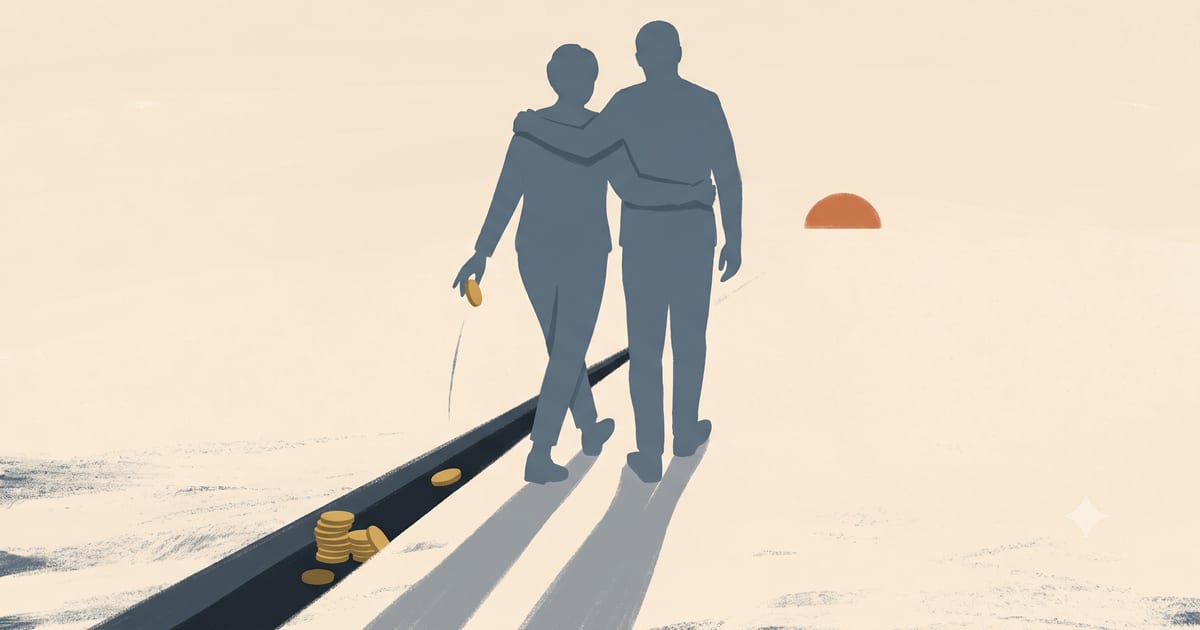
It's Not the Debt That Ends a Marriage. It's Finding Out It Was a Secret.
Money is blamed for a third of divorces, but the number underneath tells a sharper story: it's rarely the size of the debt that ends the marriage. It's discovering it was hidden.
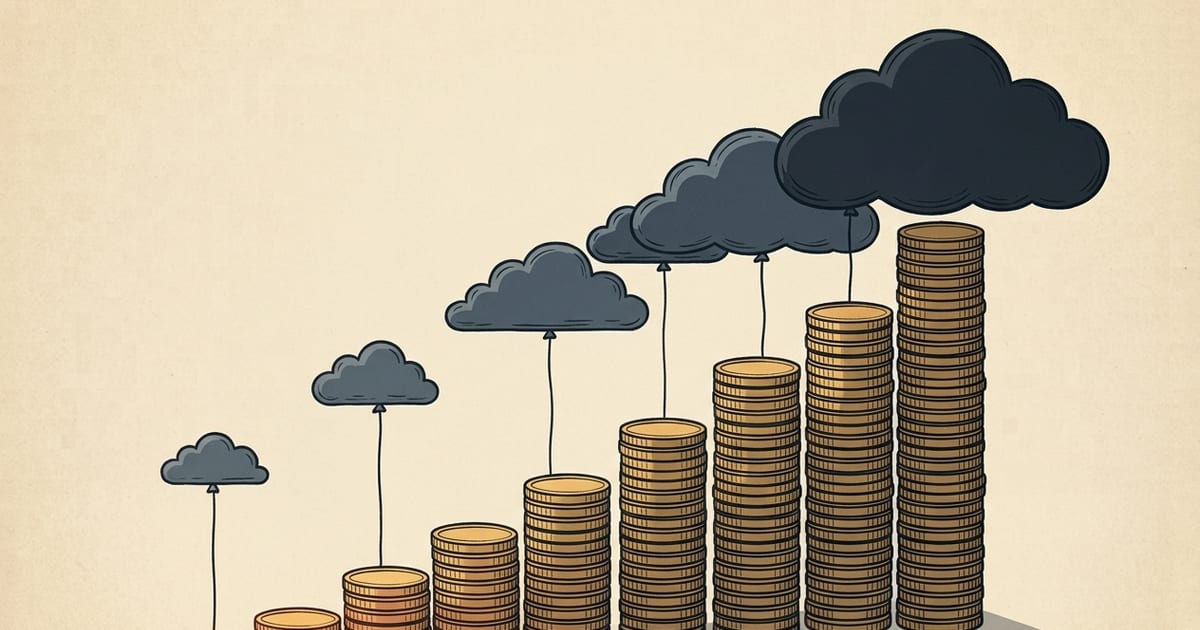
The Raise Didn't End the Anxiety. It Just Upgraded It.
83% of Americans report financial stress, and half of them aren't struggling by any real measure. The reason has a name, and it gets worse, not better, as income rises.
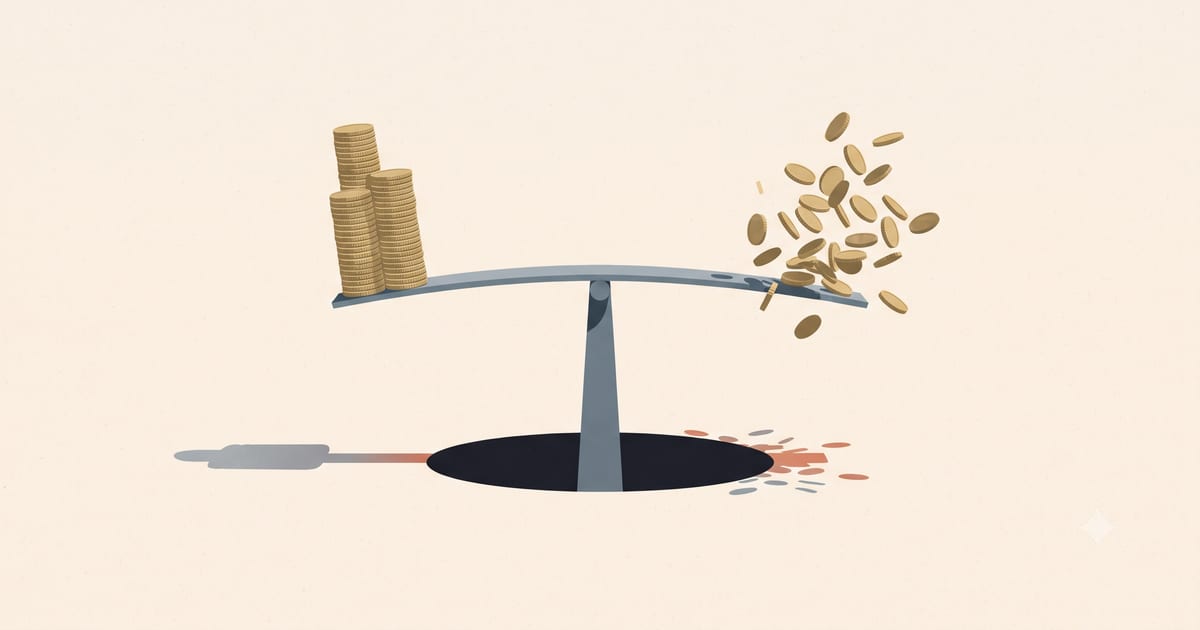
Gen Z Isn't Reckless With Money. It's Running Two Opposite Strategies at Once.
The generation mocked for doom spending also started saving for retirement earlier than any generation on record. Both are true, in the same people, and the overlap is the real story.

Your Home Insurance Bill Quietly Outran Inflation. Auto-Renewing Is Costing You Hundreds.
Home insurance has risen far faster than wages or prices since 2021, and the single most expensive habit is the most natural one: letting the policy auto-renew. Hurricane season is the wrong time to discover that, which makes now the right time to act.

The New Car Loan Tax Break Is Not Worth $10,000 to You. Here Is What It Is Actually Worth.
The headline number is $10,000. The number that lands in a typical buyer's pocket is closer to $700, and only if the car clears three rules most people have not read. The cap is not the story. Eligibility is.
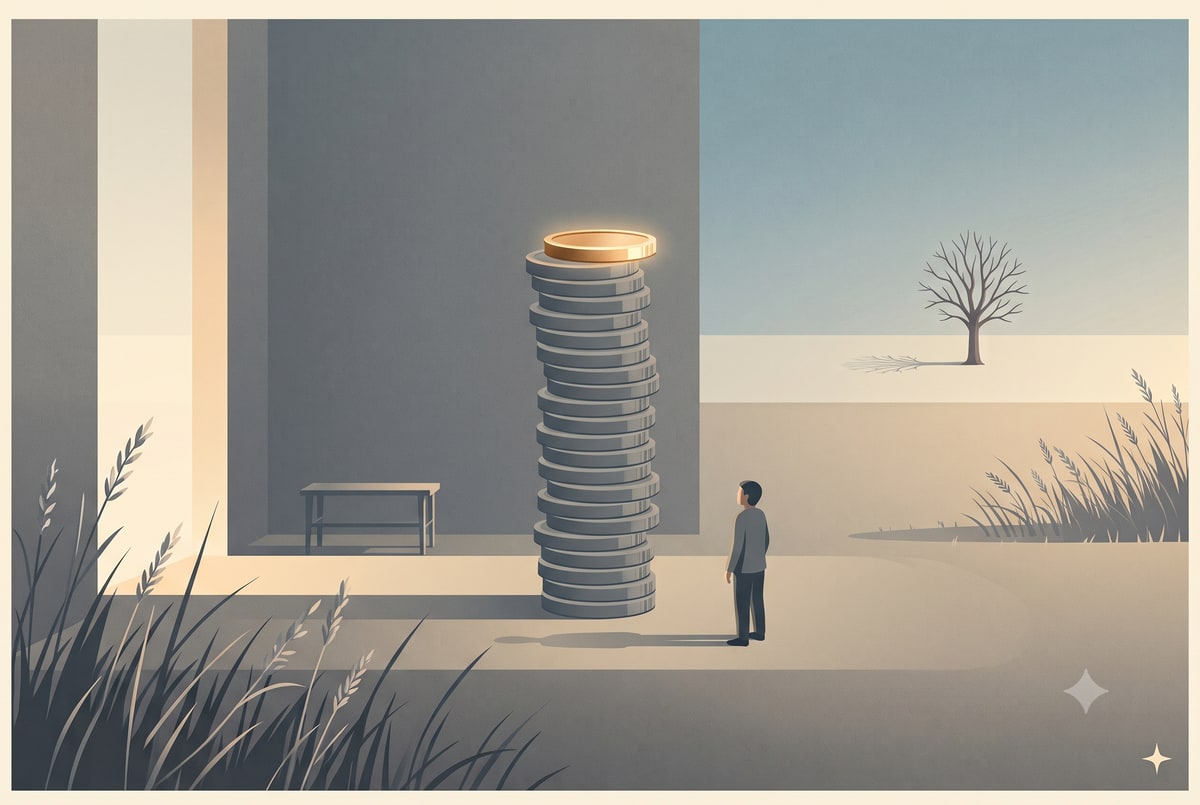
Not All Your Overtime Is Tax-Free. The Word That Decides It Is 'FLSA'.
The new overtime deduction is real and worth up to $12,500. But it only covers overtime that federal law requires, which means the extra pay from your union contract, your state rules, or your employer's own policy may not count at all.
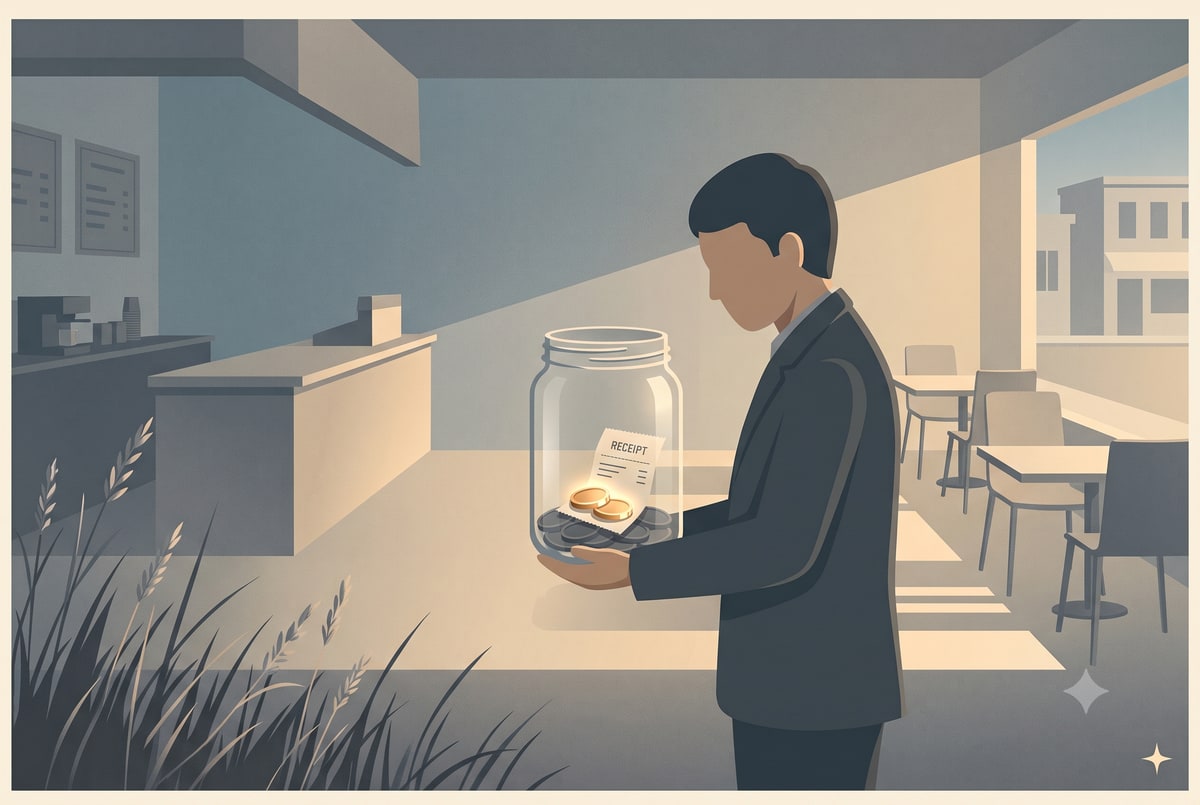
The Tip Deduction Rewards the Tips You Reported. The Ones You Did Not Were Never Eligible.
The new deduction can shelter up to $25,000 of tips from federal income tax. But it only counts tips that were reported, in occupations the IRS has put on a list. The cash that never made it onto a pay stub was never going to qualify.

Your Student Loan Plan Is Being Discontinued. Doing Nothing Picks the New One for You.
The OBBBA collapses the old menu of repayment plans. SAVE is gone, and PAYE and ICR are sunsetting. If you take no action by 2028, you are automatically moved into RAP, a plan that charges a percentage of your entire income, whether or not it is your cheapest option.
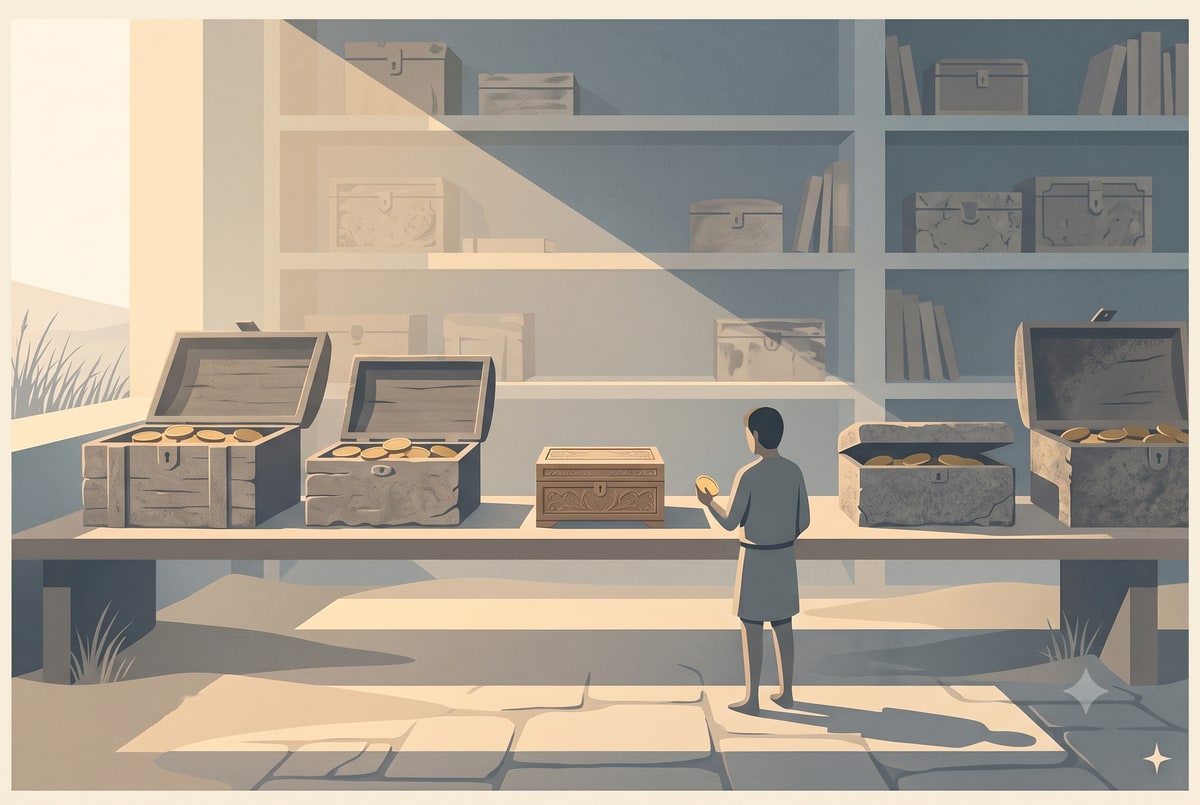
Take the Free $1,000 for Your Newborn. Think Twice Before You Add a Dollar of Your Own.
The new Trump Account hands eligible babies $1,000 of government seed money. Claiming it is close to a no-brainer. Treating the account as the best home for your own savings is where the decision gets harder, because of how the money is taxed coming out.

Leftover College Money Is Not Trapped. It Can Become Your Kid's First Retirement Account.
Parents agonize over overfunding a 529 because the exit used to mean a penalty. A 2022 law opened a door: unused 529 money can roll into the beneficiary's Roth IRA, tax-free and penalty-free, within limits worth knowing.

The Best Retirement Account in the Tax Code Is Disguised as a Medical Account.
Most people treat their HSA like a checking account for copays. Used that way, it is fine. Used the way the tax code actually allows, it is the only account that is never taxed going in, growing, or coming out.

One Dollar of Income Can Cost a Retired Couple $2,297. It Is Called IRMAA.
Medicare's income surcharge is not a slope, it is a cliff. Cross a threshold by a single dollar and the full surcharge lands, retroactively, on income you earned two years ago. The good news: it is one of the most plannable costs in retirement.

Tax-Loss Harvesting Is a December Ritual. That Is Exactly Why You Should Do It in June.
Everyone waits until year-end to harvest losses, which means everyone competes for the same dips at the same time and forfeits six months of flexibility. The losses sitting in your account right now spend just as well in summer.
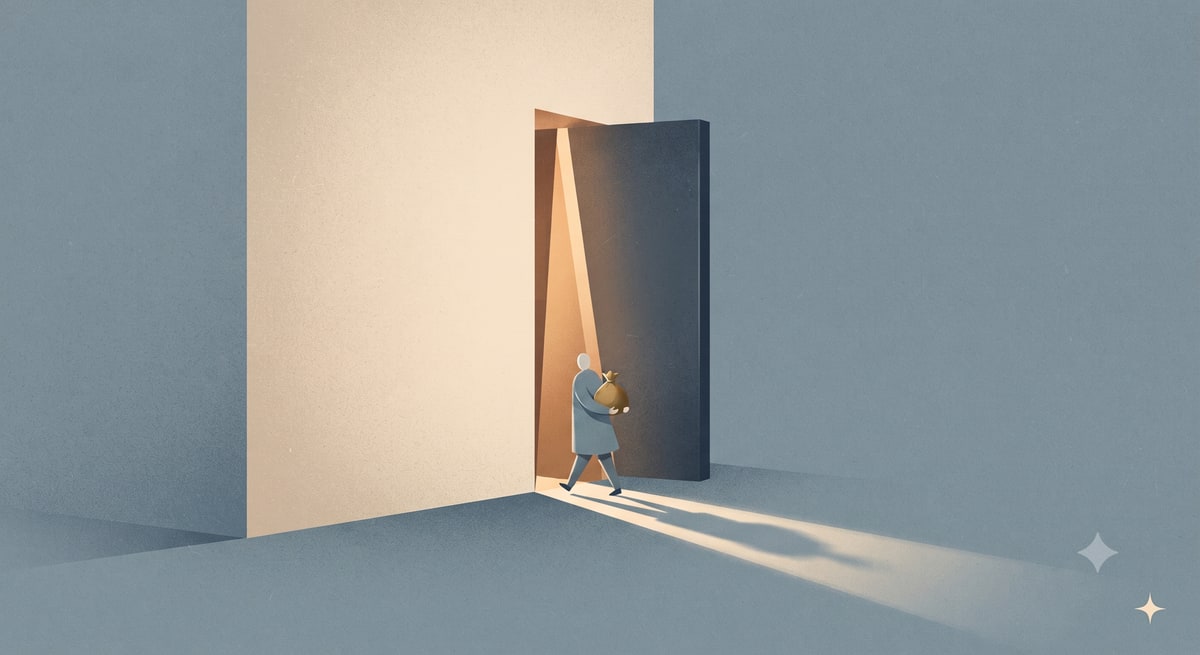
The Reason Everyone Gave for Converting to a Roth Just Disappeared. The Real Reason Did Not.
For years the pitch was 'convert before tax rates jump in 2026.' Then the 2025 law made those rates permanent, and the deadline evaporated. The case that remains is quieter, more personal, and worth more money than the one you lost.
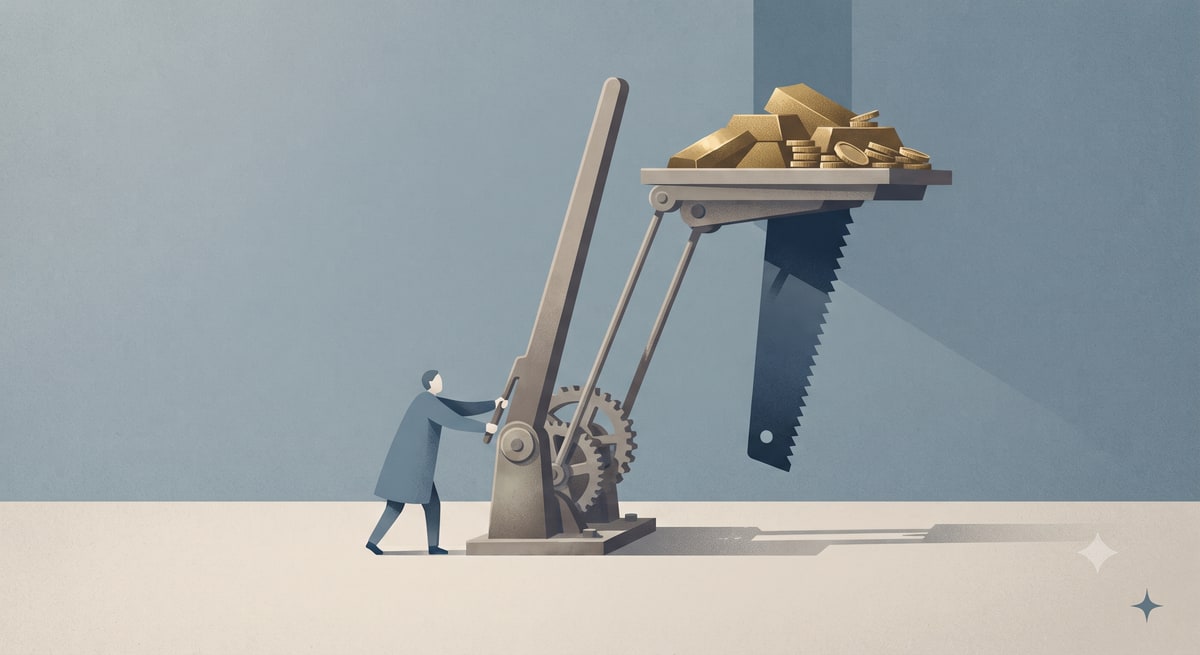
A 22% Social Security Cut Is Coming in 2032. The Lever You Control Is Bigger Than the Cut.
The trustees just moved the insolvency date up to late 2032, and the headlines are all about the across-the-board haircut. The decision that moves more of your money is the one almost nobody is talking about: when you claim.
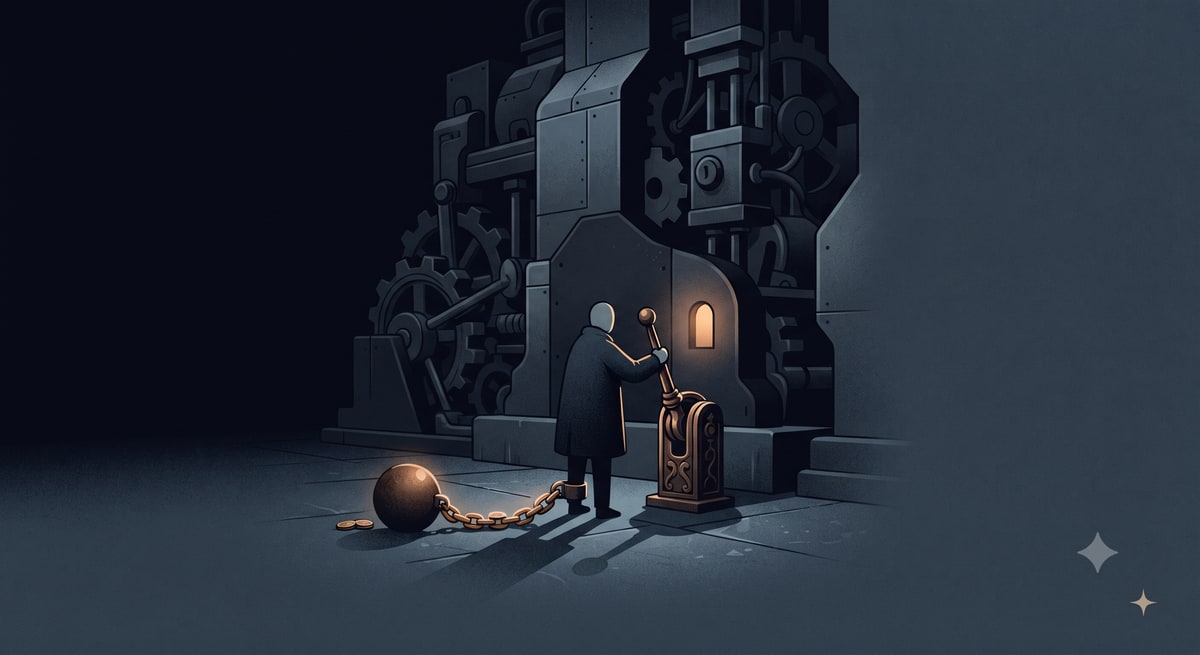
Your Credit Card APR Was Never Waiting for the Fed. The Fed's Hold Confirmed It.
Card rates barely move when the Fed cuts, and the Fed just removed the cut anyway. If you are carrying a balance at the average 24% APR, the relief you were waiting for is not coming. The lever that actually works is still sitting on the table.

The Gap Between What Your Bank Pays and What It Could Pay Just Got Locked In.
The SwitchWize Bank Gap Index measures the distance between the typical bank's deposit rate and the top of the market. The June Fed decision did not narrow that distance. It removed the last reason to expect it to narrow on its own.

Locking In a Five-Year CD Means Betting Against the Fed's Own Forecast.
A one-year CD currently pays about as much as a five-year one. That flat curve is the market telling you it does not expect rates to fall. Reading it correctly changes how you lock up cash.

The Fed Just Took Your Rate Cut Off the Table. Here Is What That Does to Your Cash.
The one rate cut the Fed had penciled in for 2026 is gone. The gap between what your bank pays and what it could pay did not just survive the June meeting. It got locked in.
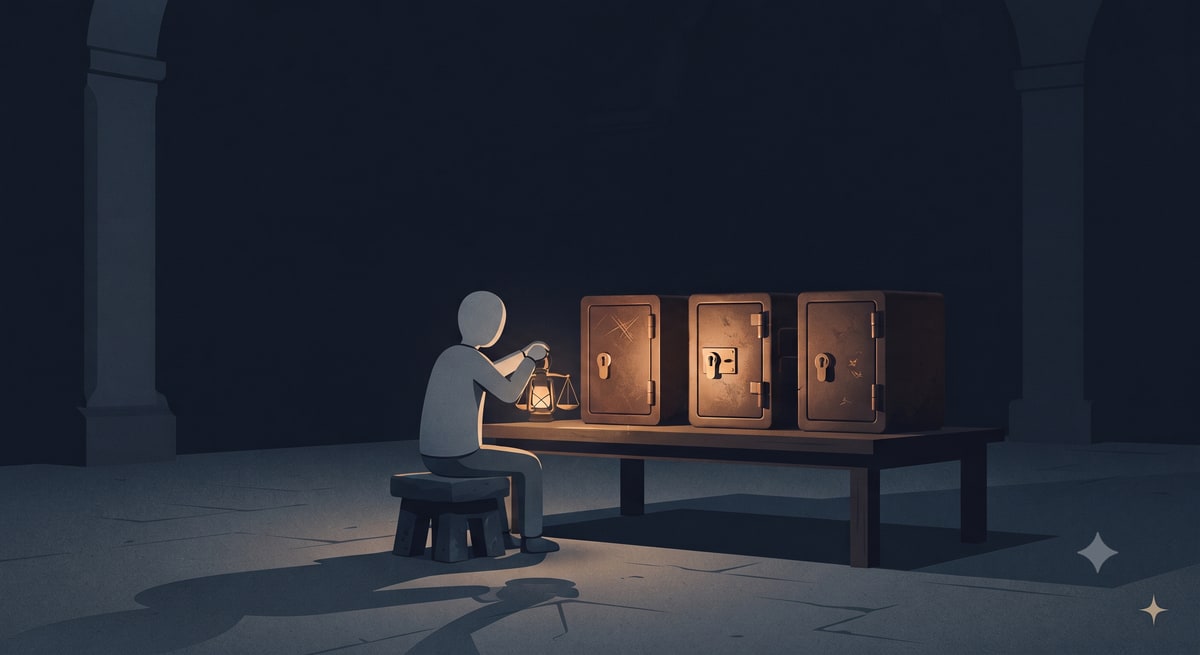
Three Safe Places for Idle Cash Now Pay About the Same. The Tiebreaker Is Not the Yield.
Top high-yield savings, short Treasury bills, and I bonds all cluster near 4% this summer. When the headline rates converge, the real decision moves to taxes, liquidity, and lockups, which is where most savers are not looking.

Paying Off Your Mortgage Got More Tempting Today. Whether You Should Comes Down to One Number.
With the Fed's projected rate cut now erased, the guaranteed return on extra mortgage principal stops competing with a falling cash yield and starts competing with a flat one. The answer still hinges on the rate you are actually paying.