- Price a welcome bonus as a range: cash-out floor to a realistic, not aspirational, travel-redemption ceiling.
- Subtract the annual fee and the real cost of any spending the minimum forces you to make.
- An 80,000-point bonus commonly nets $800 to $1,360 after a $550 fee, not the $1,600-plus headline number.
Quick answer
Value a credit card welcome bonus in two steps: price what you would actually redeem it for, then subtract what it actually costs you to earn it. Start with the cash-out value, points divided by roughly one cent each, as your floor. Then price a realistic travel redemption, an achievable transfer or booking at typical rates rather than the best-case number in the issuer's marketing, as your ceiling. Subtract the annual fee from both ends of that range. Understanding how to value a credit card welcome bonus requires accounting for the spending requirement's real cost too.
Finally, subtract the real cost of the minimum spend requirement. If hitting it means spending money you would not have spent otherwise, that spend is a cost, not free rewards. An 80,000-point transferable-currency bonus with a $550 fee and a $4,000 minimum typically nets somewhere between $250 and $900 in genuine first-year value, well under the $1,600 the landing page implies. If you carry a balance, none of this math matters until the balance is gone; the average card APR of 24.00% outruns almost any bonus.
Run your own numbers with the Welcome Bonus ROI calculator, which nets the bonus against the fee and checks whether your normal spending pace clears the minimum on its own.
Decision table
- What to do
- Use the cash-out value as your baseline
- Why
- It is the only number you are actually guaranteed to get
- What to do
- Price the bonus at that achievable rate, not the marketing max
- Why
- Past redemptions predict your outcome better than a hypothetical first-class booking
- What to do
- Treat that gap as a real cost, priced at your current card's rewards rate
- Why
- It is forgone value, not free money
- What to do
- Discount the bonus toward zero, or skip it
- Why
- Full-price purchases you did not need can exceed the bonus itself
- What to do
- Confirm the ongoing rewards rate before keeping the card past year one
- Why
- A bonus that only just clears its own fee says nothing about later years
Choose the cash-out value if, price it higher if
Use the cash-out floor if:
-
You have no specific travel plan and want a guaranteed number.
-
You are pricing your first bonus on this type of card.
Price it at a realistic travel redemption if:
-
You have an actual pattern of transferring to airline or hotel partners and using them.
-
You have a trip already planned that fits a known sweet spot.
Discount the bonus toward zero if:
-
Hitting the minimum requires buying things you do not need.
-
You would carry a balance to reach the threshold or afford the fee.
Pay-in-full versus revolver verdict
For a pay-in-full user, this entire exercise is worth doing: price the bonus as a range, subtract the fee and any real spend-forcing cost, and compare the result to a simpler no-fee card. For a revolver, skip straight to the credit card interest calculator. Carrying a balance at the average card APR of 24.00% can cost more in a single billing cycle than most bonuses net in a year.
Cash-out value at 1 cent per point: $800. A realistic transfer redemption at 1.7 cents: $1,360. Subtract a $550 annual fee from each end: $250 to $810. If the $4,000 minimum forces $1,000 of spending you would not otherwise make, and that spending is a planned purchase you already needed, the cost is $0. If it is spending you invented for the bonus, the cost is the full $1,000, which erases most of the low end of the range.
A bonus decision this size is often smaller than what is sitting idle in a low-yield account. A Money Map scan shows the full picture before you optimize one card.
Approval and credit-tier context
Bonuses above roughly 60,000 points on transferable-currency cards typically sit on products requiring good to excellent credit and enough income to support a $4,000-plus minimum without strain. Issuers do not publish exact score cutoffs, and approval also weighs your existing relationship and recent applications with that bank.
Fees, exclusions, and terms to verify
Qualifying spend usually excludes balance transfers, cash advances, and sometimes gift card purchases. Some issuers will not pay a bonus again if you have held or closed the same card within a set window, commonly one to several years, and can claw back the bonus if the account closes before it posts. Confirm the exact minimum spend window and start date on your specific offer; most run from the approval date, not from when the card physically arrives.
For the broader framework, read the Real Annual Value guide, how to choose a credit card, and how to meet minimum spend without overspending.
How we ranked
We priced each redemption tier by realistic, verifiable value rather than the issuer's best-case example, and we weighted the annual fee and minimum-spend cost as real deductions rather than footnotes.
Compensation disclosure: SwitchWize may earn a referral fee when you apply through partner links. That relationship does not change which redemption assumptions we use.
Sources
- CFPB credit card cost guidance explains how fees, APRs, and rewards structures affect overall card cost.
- CFPB rewards report covers how rewards and bonus programs are typically structured and disclosed.
Terms referenced on this page were verified on July 10, 2026. Offers, fees, APRs, rewards, eligibility, and program rules can change. This article is educational information, not individualized financial advice.
Frequently Asked Questions
What's the real dollar value of a 60,000 to 100,000 point welcome bonus?
Should I count the annual fee against the bonus only in year one?
Does the minimum spend requirement have a hidden cost?
How do I value points I have never redeemed before?
What changes if I would carry a balance to afford the card or the spend?
The 5-minute money briefing
One email per week. New rates, fed moves, and what to actually do about them.
No spam. Unsubscribe anytime.
Act on this: today's top cards


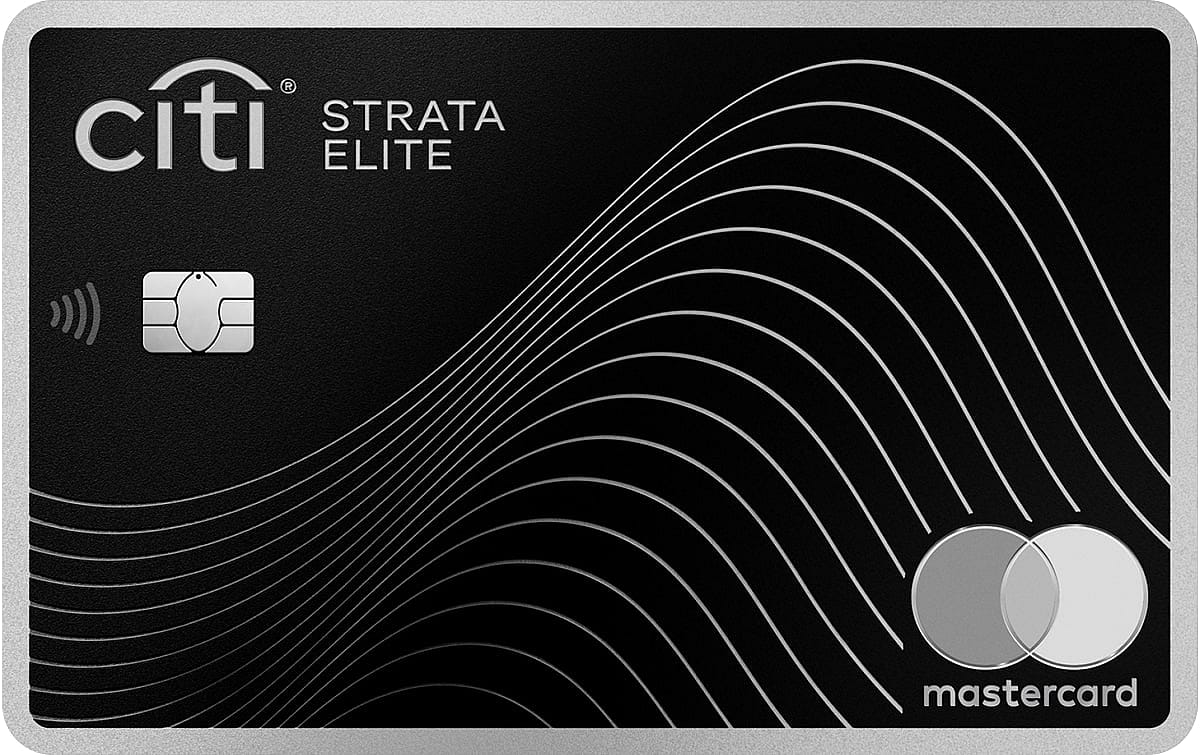
Ranked by SwitchWize's composite score. SwitchWize currently has no compensated product links.
Editorial review
What changed since the last update
Was this guide helpful?
Found an inaccurate, outdated, or missing claim? Report a correction. We verify reports against the relevant source before changing a guide or ranking.
