- A paid authorized-user fee should unlock something specific and real for that person, not just add their name to the account.
- If the only goal is credit-history benefit, a free authorized-user add usually reports the same way without paying extra.
- The primary cardholder stays fully liable for authorized-user charges no matter which option you choose.
Quick answer
Pay a separate authorized-user fee only when it buys something concrete: that person's own lounge access, a companion benefit, or physical-card convenience you would otherwise have to work around. If the entire goal is helping someone build credit history, most issuers report authorized-user status to the credit bureaus regardless of whether a fee was paid, so check that first before assuming the fee is required. The fee is money wasted when it only formalizes access the AU already effectively has, like using your card with your permission, and money well spent when it opens a door, like their own boarding-priority or lounge entry, that would otherwise cost more to buy separately. Ultimately, whether an authorized user fee worth it depends on whether the tangible benefits justify the annual cost.
Decision table
- Best next move
- Skip the fee if your issuer offers free AU add
- Why
- Same credit-reporting benefit without the extra cost
- Best next move
- Compare that specific benefit's value against the fee
- Why
- This is the actual thing you are paying for, not the account itself
- Best next move
- Confirm free AU add reports to the bureaus first
- Why
- Paying a fee for a benefit that is already free elsewhere is pure waste
- Best next move
- Consider a separate card instead of AU status
- Why
- AU status does not give independent ownership or a separate credit line
- Best next move
- Check your card's specific terms before assuming either way
- Why
- Some cards charge nothing for the first AU and a fee only after that
Worked example: is the fee worth it
A premium card charges $175 to add an authorized user, which comes with that person's own physical card and their own lounge access at network airports. If that AU would otherwise buy roughly 3-4 lounge day passes a year on their own trips, at $60-$75 each, that is $180-$300 in value against a $175 fee, a reasonable trade.
If instead that AU rarely flies and would use the card mainly for everyday purchases, the incremental value drops close to $0, since the household could get the same credit-history benefit from a free AU add on a no-fee card instead.
Choose this if, skip it if
Pay the AU fee if:
-
It unlocks a specific, named benefit for that person, like their own lounge access, that you can price against the fee.
-
That person would otherwise pay for a similar benefit on their own.
Skip the fee and use a free authorized user if:
-
The goal is purely credit-history benefit, and your issuer reports free AU status to the bureaus the same way.
-
The AU rarely uses the benefits the fee unlocks, such as lounge access for someone who does not fly.
Get that person their own card instead if:
-
They want independent rewards earning, their own credit line, and account control separate from yours.
-
Read partner's own card versus authorized user card for the fuller comparison if this is a couple deciding between the two paths, not just a fee question.
Pay-in-full versus revolver verdict
If you pay the primary card in full, the AU fee is a straightforward value comparison against whatever it unlocks. If you carry a balance, the math stops mattering: you remain liable for all AU charges, and interest at the average card APR of 24.00% will outweigh the AU benefit within a billing cycle or two. Use the credit card interest calculator to see the number before adding anyone.
Fees, exclusions, and approval context
Authorized-user benefits are not automatically identical to the primary cardholder's. Lounge access, companion passes, and lounge guest rules for an AU can differ from the primary card's terms and can change at renewal without much notice. Confirm the specific AU benefit list directly with the issuer rather than assuming it mirrors the primary card's marketing.
An authorized user does not need to meet the primary applicant's credit tier to be added, since they are not independently underwritten. The primary cardholder remains fully responsible for all charges the AU makes, which is worth confirming out loud with anyone being added.
How we ranked
We ranked authorized-user fees by the incremental, named benefit they unlock for that specific person, not by the primary card's overall benefit list, since most of that list has nothing to do with the AU fee itself.
Compensation disclosure: SwitchWize may earn a referral fee when you apply through partner links on this site. That relationship does not change how AU fee value is scored above.
Sources
- CFPB authorized-user guidance explains how authorized-user status works and reports to credit bureaus.
- CFPB credit card cost guidance covers how card fees and benefits should be disclosed.
Terms referenced on this page were verified on July 10, 2026. Authorized-user fees and benefit eligibility can change; confirm current terms with your issuer. This article is educational information, not individualized financial advice.
What to Do Now
Frequently Asked Questions
Do all premium cards charge an authorized-user fee?
What does the authorized-user fee actually buy?
Does an authorized user need their own credit to be added?
Is this the same question as whether my partner should get their own card?
What if I carry a balance on the primary card?
The 5-minute money briefing
One email per week. New rates, fed moves, and what to actually do about them.
No spam. Unsubscribe anytime.
Act on this: today's top cards


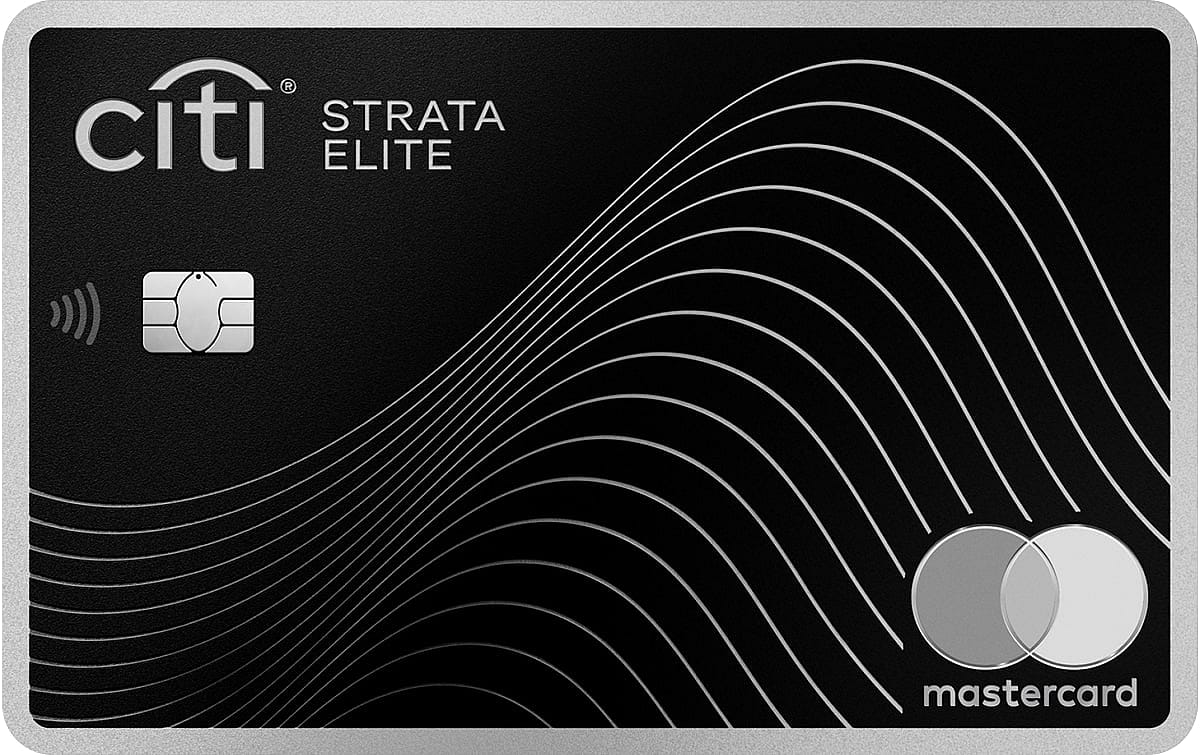
Ranked by SwitchWize's composite score. SwitchWize currently has no compensated product links.
Editorial review
What changed since the last update
Was this guide helpful?
Found an inaccurate, outdated, or missing claim? Report a correction. We verify reports against the relevant source before changing a guide or ranking.
