- The coupon-book problem is the gap between a card's advertised benefit total and what a typical cardholder actually redeems.
- Advertised value assumes perfect use of every credit; realistic value discounts for merchant restrictions, forgetting, and mismatched habits.
- The benefit tracker and card switch calculator let you measure this exact gap for your own card, not just an issuer's advertised total.
What the coupon-book problem actually is
Premium card marketing often adds up every statement credit, no matter how narrow, into one large number: "$1,000+ in annual value." That figure is arithmetically correct in the sense that each credit is real. What it leaves out is that redeeming all of it requires using a specific rideshare app every month, booking with a specific airline every year, and never letting a single quarterly credit slip past its reset date. Few cardholders do all of that. The result functions like a coupon book: a stack of discounts that looks generous on the cover but pays out only to the person who redeems every coupon inside it. Understanding premium credit card credits real value means recognizing the gap between advertised totals and what most cardholders actually recover.
Quick answer
Value a premium card at your realistic redemption rate, not the advertised total. A card advertising $700 in credits against a $550 annual fee looks like an easy win on paper. If your actual habits only capture 60% of those credits, that is $420 in real value against a $550 fee, a net loss before counting any rewards earned on spending. The fix is simple: go credit by credit, discount anything tied to a merchant or habit you do not already have, and compare the discounted total to the fee. If the discounted number still clears the fee comfortably, the card holds up. If it barely clears it, a downgrade or a simpler card likely wins.
Decision table
- Best next move
- Recalculate using only credits that match your existing spending
- Why
- The margin needs to survive realistic use, not perfect use
- Best next move
- Value that credit at or near $0
- Why
- Face value only becomes cash value if you would spend there anyway
- Best next move
- Run both through the card switch calculator instead
- Why
- Advertised totals do not account for redemption difficulty differences between cards
- Best next move
- Treat the card as marginal, not as a clear win
- Why
- A thin margin leaves no room for a missed cycle or a changed spending pattern
- Best next move
- Run last year's statements through the benefit tracker
- Why
- You need your own number, not the issuer's assumption, before renewing
Worked example: advertised versus real
A premium travel card advertises $700 in annual credits against a $550 fee: a $100 monthly dining credit pool ($1,200 face value, but capped and easy to underuse), a $200 annual travel credit, and a $100 wellness credit tied to a narrow list of merchants.
A realistic cardholder redeems the $200 travel credit in full (it is large and easy to remember), about 65% of the dining pool across the year ($780 of underlying spend capped down to roughly $260 in real credit), and skips the wellness credit entirely because none of the eligible merchants match where they shop. Real recovered value: roughly $460, against advertised value of $700. That is a $240 gap, and it changes whether the $550 fee actually pencils out once ordinary rewards earned on spend are added back in.
Use the benefit tracker to log what you actually redeem going forward instead of relying on last year's guess, check the straight math with the Annual Fee Breakeven tool, and run the card switch calculator if you want to see what a simpler card would net you instead.
Choose this if, skip it if
Trust the advertised total if:
-
You have historically redeemed nearly every credit on a similar card without effort.
-
Every listed credit maps to a merchant or service you already pay for.
Recalculate before renewing if:
-
Any credit requires a merchant, airline, or timing outside your normal habits.
-
You have never actually tallied what you redeemed against what was advertised.
Downgrade or skip the card if:
-
Your realistic, discounted total does not clearly clear the annual fee.
-
The only way the math works is by assuming you change your spending to chase the credits.
Pay-in-full versus revolver verdict
For a cardholder who pays in full, the coupon-book gap is purely a rewards-optimization question worth a few minutes of honest math. For a revolver, it stops mattering: the average card APR of 24.00% will exceed any realistic credit shortfall within a month or two of carrying a balance. Use the credit card interest calculator to confirm, and prioritize the balance before weighing credit redemption at all.
Fees, exclusions, and approval context
Merchant coding is the most common reason a credit "should have" posted but did not. A purchase at what looks like the right merchant can be coded differently by the payment processor and miss the credit entirely. Confirm the issuer's specific merchant list and any enrollment requirement before assuming a credit will post automatically.
Cards with this much credit complexity typically target applicants with excellent credit and the cash flow to pay in full every month. See how to choose a credit card if you are weighing a premium card against a simpler alternative for the first time.
How we ranked
We evaluate the advertised-versus-real gap using typical redemption patterns rather than assuming full use of every credit. Cards were not ranked by the size of their advertised benefit total alone.
Compensation disclosure: SwitchWize may earn a referral fee when you apply through partner links on this site. That relationship does not change how the advertised-versus-real gap is scored above.
Sources
- CFPB credit card cost guidance explains how fees and card terms should be disclosed to consumers.
- Federal Reserve consumer credit resources cover card agreements and required disclosures.
Terms referenced on this page were verified on July 10, 2026. Offers, credit amounts, and redemption terms can change; confirm current figures with your issuer. This article is educational information, not individualized financial advice.
What to Do Now
Frequently Asked Questions
What is the coupon-book problem with credit cards?
Why would an issuer advertise a number almost nobody hits?
How do I estimate my own realistic value instead of the advertised one?
Does SwitchWize track this advertised-versus-real gap for a specific card?
What if I carry a balance on the card?
The 5-minute money briefing
One email per week. New rates, fed moves, and what to actually do about them.
No spam. Unsubscribe anytime.
Act on this: today's top cards


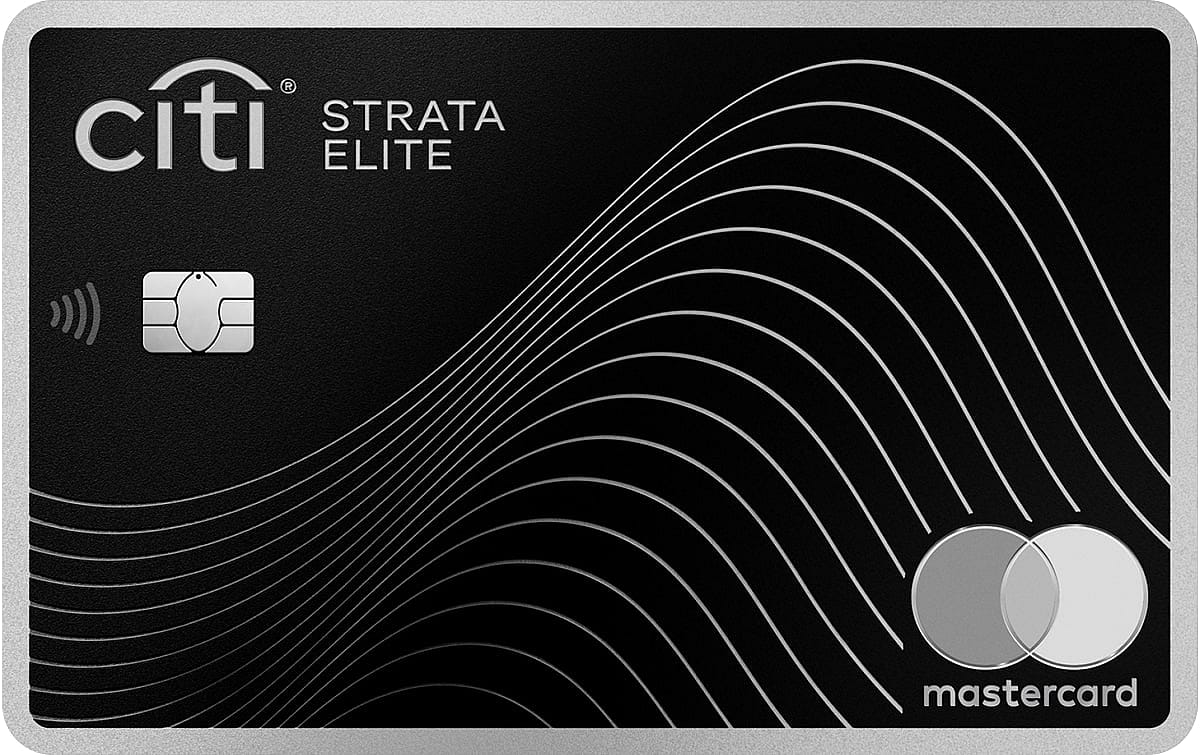
Ranked by SwitchWize's composite score. SwitchWize currently has no compensated product links.
Editorial review
What changed since the last update
Was this guide helpful?
Found an inaccurate, outdated, or missing claim? Report a correction. We verify reports against the relevant source before changing a guide or ranking.
