- Audit every card once a year, before its annual fee renews, using that year's actual realistic value, not the year you first applied.
- Decide keep, downgrade, or cancel card by card, since one weak card in your wallet does not mean the whole lineup needs to change.
- Ask for a retention offer before canceling anything; it is a five-minute call that can turn a negative-value card positive.
Quick answer
Once a year, list every card you hold, its annual fee, and its renewal date. For each one, add up what it realistically delivered over the past 12 months: rewards actually earned, statement credits actually redeemed, and any sign-up bonus if this was the first year. Subtract the fee. If the number is comfortably positive and your spending still matches the card, keep it. If it is thin or negative, call for a retention offer before deciding between downgrade and cancel. Do this for every card separately; a wallet with five cards rarely needs the same verdict applied to all five. This credit card wallet annual audit framework ensures you're not paying for cards that no longer serve your financial goals.
The audit framework, step by step
- List every card with its annual fee and renewal date, oldest account first since account age matters for your credit history.
- Pull the last 12 months of statements for each card and tally rewards earned, credits actually redeemed, using the benefit tracker if the card has several statement credits to track.
- Subtract the annual fee from that realistic total to get a net value per card, not the advertised value per card.
- Compare that net value against how you spend today, since a grocery-heavy card from a few years ago may not match a household that eats out less or has moved.
- Decide keep, downgrade, or cancel for each card, calling for a retention offer first on any card showing thin or negative value.
Decision table
- Best next move
- Keep the card as is
- Why
- It is doing its job; no action needed beyond next year's audit
- Best next move
- Call for a retention offer before deciding further
- Why
- See ask for a retention offer before canceling; many issuers will waive or discount the fee
- Best next move
- Downgrade to a no-fee version
- Why
- Preserves account age and credit history at zero ongoing cost
- Best next move
- Cancel the card
- Why
- See cancel versus downgrade versus product change for the full tradeoff before closing
- Best next move
- Reassess whether a different card fits better today
- Why
- The card that won three years ago may not win against your current spending pattern
Worked example: a three-card audit
A wallet holds three cards. Card A ($550 fee) delivered $610 in realistic rewards and credits this year: a clear keep. Card B ($95 fee) delivered $60 in realistic value, mostly because a grocery bonus category no longer matches this household's spending: a candidate for downgrade or cancel after a retention call. Card C ($0 fee) delivered $140 in flat cash back with no fee to offset: an automatic keep.
Canceling or downgrading Card B and recovering the $95 fee (after a retention call fails to fix the gap) improves the wallet's total annual value by roughly $35 net for that card alone, on top of whatever Card A and Card C were already contributing.
Run each fee-paying card in your own wallet through the Annual Fee Breakeven tool instead of estimating by memory — it turns this same audit into an exact dollar comparison per card.
Choose this if, skip it if
Keep a card if:
-
Its realistic value, not advertised value, clearly clears the annual fee this year.
-
Your current spending still matches what the card rewards.
Downgrade a card if:
-
The fee no longer earns its keep, but the account's age and credit history are worth preserving.
-
A no-fee version of the same product exists and keeps you with the same issuer relationship.
Cancel a card if:
-
A retention offer did not fix the math and no useful downgrade exists.
-
The account is recent enough that closing it does minimal damage to your average account age.
Pay-in-full versus revolver verdict
This audit assumes you pay each card in full; realistic rewards and credits are the entire point of the comparison. If you are carrying a balance on any of these cards, stop the audit and fix that first. Interest at the average card APR of 24.00% will outweigh a full year of rewards and credits on most cards within a few months. Use the credit card interest calculator to see the number for your own balance.
Fees, exclusions, and approval context
Sign-up bonuses can make a card's first year look far stronger than its ongoing value, which is why the audit should separate first-year value from what the card delivers every year after. Unused points or credits may also be forfeited on cancellation, so redeem or transfer anything of value before closing an account, not after.
If the audit reveals you are under-approved for cards that would better fit your spending today, how to choose a credit card and how to maximize credit card rewards cover how to close that gap responsibly rather than applying broadly.
How we ranked
We ranked the keep, downgrade, and cancel outcomes by realistic net value per card over a full statement year, not by advertised benefit totals or how the card performed in its first year alone.
Compensation disclosure: SwitchWize may earn a referral fee when you apply through partner links on this site. That relationship does not change how each card's audit outcome is scored above.
Sources
- CFPB credit card cost guidance explains how fees, rewards, and account terms should be disclosed.
- Federal Reserve consumer credit resources cover card agreements and cardholder rights around closing an account.
Terms referenced on this page were verified on July 10, 2026. Fees, rewards structures, and redemption rules can change; confirm current terms with each issuer before renewing. This article is educational information, not individualized financial advice.
What to Do Now
Frequently Asked Questions
When is the best time to audit my credit cards?
What should I actually tally for each card?
Should I cancel a card the moment it shows negative value?
Does closing a card hurt my credit score?
What if I carry a balance across some of these cards?
The 5-minute money briefing
One email per week. New rates, fed moves, and what to actually do about them.
No spam. Unsubscribe anytime.
Act on this: today's top cards


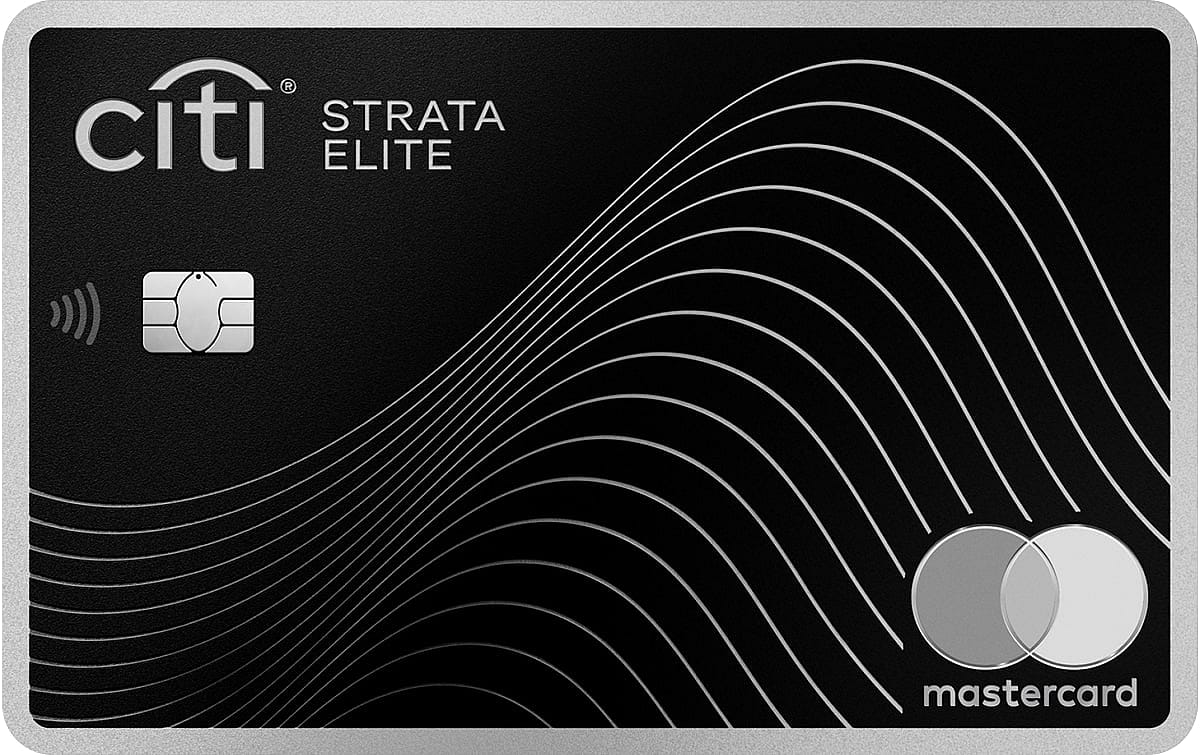
Ranked by SwitchWize's composite score. SwitchWize currently has no compensated product links.
Editorial review
What changed since the last update
Was this guide helpful?
Found an inaccurate, outdated, or missing claim? Report a correction. We verify reports against the relevant source before changing a guide or ranking.
