How to choose
What to weigh before you pick
It usually comes down to 3 things. Compare your options on each before deciding.
What you earn on the spending you actually do.
The fee weighed against the rewards and credits you will use.
The intro offer and the spend required to earn it.
- Closing an account removes its credit limit immediately, which raises your utilization even if you didn't borrow another dollar.
- A same-issuer downgrade usually keeps your account number, opening date, and limit, avoiding both the utilization jump and the eventual account-age hit.
- Try a retention offer first; if there's no offer and no downgrade option, cancellation is the honest fallback.
Quick answer
When you no longer want to pay a card's annual fee, you have three real paths, and they affect your credit file very differently. A same-issuer downgrade, sometimes called a product change, usually keeps your account number, opening date, and credit limit intact, because you're not opening anything new. Outright cancellation closes the account, removing its limit from your total available credit right away and, over time, potentially shortening your average account age. A retention offer keeps the original card exactly as-is, at a discount, if the issuer chooses to extend one. Try the retention call first, downgrade if that fails, and reserve cancellation for cards with no downgrade option or ones you genuinely want closed. Understanding the cancel vs downgrade credit card decision helps you protect both your credit score and long-term financial health.
Three paths, and what actually happens to your credit file
Downgrade or product change. You ask your issuer to move your existing account to a different card in their lineup, usually one with no annual fee. Because the account itself doesn't close, most issuers don't run a new hard inquiry, and your credit limit and original open date typically carry over. The tradeoff: you lose the original card's benefits and may lose progress toward, or eligibility for, a welcome bonus tied to that specific card product.
Retention offer. Covered in full in our retention offer guide rather than repeated here. The short version: it's worth a phone call before you do either of the other two, since it's the only path where you keep everything and the issuer pays you to stay.
Outright cancellation. The account closes. Its credit limit disappears from your total available credit immediately, which can raise your utilization the same day if you carry a balance anywhere else. The account will eventually stop contributing to your average account age, though closed accounts in good standing can remain on your report for years before that fades.
Worked example: the utilization difference
Say you're paying $95 on a card with a $12,000 limit that you no longer use enough to justify. You also have a second card with an $8,000 limit and a $2,000 balance you're paying down. Combined limits: $20,000. Utilization: $2,000 divided by $20,000, or 10%.
Downgrade the $95 card to a no-fee version, and nothing about that math changes: same $12,000 limit, same $20,000 total, utilization stays at 10%.
Cancel it instead, and your total available credit drops to $8,000. That same $2,000 balance is now 25% of your remaining limit, more than double where you started, without borrowing another cent.
Before deciding between downgrade and cancel, run the fee-paying card through the Annual Fee Breakeven tool — if it's already clearing its fee in real value, keeping it as-is may beat either option.
Decision table
- Best move
- Request a product change
- Why
- Preserves account age, limit, and skips a new credit check entirely
- Best move
- Call first before downgrading or canceling
- Why
- Costs nothing and can beat both other options
- Best move
- Cancel, but check your utilization first
- Why
- Closing is the only remaining option once the fee has no offset
- Best move
- Pay that balance down before closing this one
- Why
- Keeps the utilization jump from closing this account smaller
- Best move
- Delay any cancellation until after that application
- Why
- A sudden utilization spike or shorter history can affect underwriting timing
Choose downgrade if, choose cancellation if
Choose a downgrade or product change if:
- Your issuer has a no-fee or lower-fee card in the same family.
- You still use the account for utilization or history reasons, just not the paid benefits.
- You want to avoid any new hard inquiry.
Choose outright cancellation if:
- No downgrade option exists for this card.
- You have a specific reason to close the relationship (a joint account issue, fraud concern, or genuine desire to be done with the issuer).
- You've confirmed closing won't meaningfully spike your utilization elsewhere.
If you carry a balance
If you pay in full, this decision is mostly about fees and credit-file mechanics. If you carry a balance, especially on the card you're considering closing, sequence matters: pay down or transfer that balance before you close anything, since losing the limit while a balance remains is what actually damages utilization. The live average card APR of 24.00% makes carrying that balance the more urgent problem; use the credit card interest calculator to size it before worrying about the annual fee.
Approval and account-age context
A product change generally doesn't require new underwriting since you already hold the account, which is why it typically skips a hard inquiry. Cancellation doesn't require approval either, but it does remove the account from your active credit lines. Neither action reflects worse credit behavior; both are mechanical effects on utilization and account age, which is exactly why they're easy to underestimate. For the full mechanism behind why closing specifically can lower a score, see does closing a credit card hurt your score.
Fees and terms to confirm
A product change can reset or forfeit progress toward a welcome bonus, and some issuers won't let you product-change into or out of certain premium cards at all. Confirm whether your specific downgrade target still earns rewards you'll use, whether any pending bonus is affected, and whether the new card has its own fee schedule before you commit. None of this should be assumed from the old card's terms.
Read the retention offer guide before this decision, when to request an annual fee refund if the fee just posted, and the Real Annual Value guide for the broader framework.
How we ranked
We ordered these three paths by how much of your existing credit file each one preserves: product change first, since it keeps the account intact; retention offer as a parallel option worth trying regardless; cancellation last, reserved for cases with no better path. We didn't rank by which option is easiest to execute over the phone.
Compensation disclosure: SwitchWize may earn a referral fee when you apply through partner links. This decision itself, cancel versus downgrade versus product change, involves no SwitchWize product or referral.
Sources
- CFPB on closing a credit card account covers the credit-history effects of closing versus keeping an account open.
- CFPB credit card cost guidance explains how annual fees and card terms factor into the overall cost of an account.
- Federal Reserve consumer credit resources explain how card agreements and account changes are typically structured.
Terms referenced on this page were verified on July 10, 2026. Product-change availability, fees, and program rules vary by issuer and can change. This article is educational information, not individualized financial advice.
Frequently Asked Questions
Does a product change hurt my credit score the way closing does?
What's the actual difference between downgrading and canceling?
Can I switch back to the original card later if I downgrade?
Should I ask for a retention offer before downgrading or canceling?
What happens to unused points or miles if I cancel instead of downgrading?
The 5-minute money briefing
One email per week. New rates, fed moves, and what to actually do about them.
No spam. Unsubscribe anytime.
Act on this: today's top cards


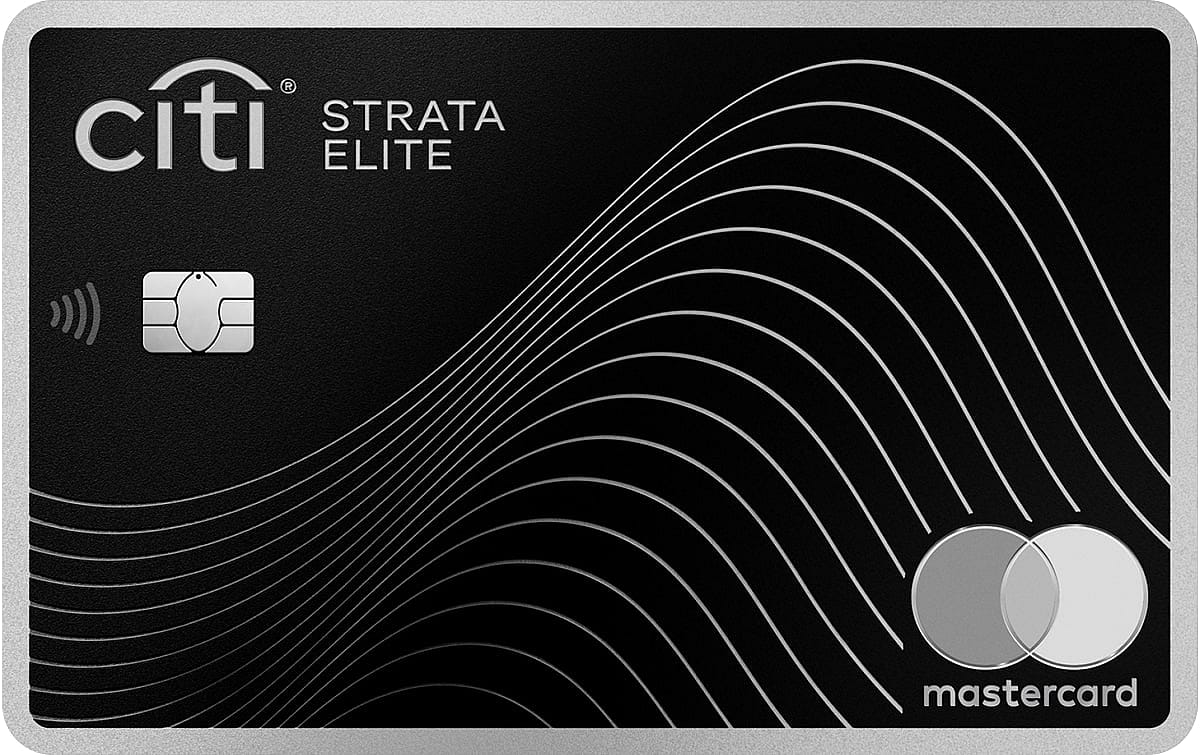
Ranked by SwitchWize's composite score. SwitchWize currently has no compensated product links.
Editorial review
What changed since the last update
Was this guide helpful?
Found an inaccurate, outdated, or missing claim? Report a correction. We verify reports against the relevant source before changing a guide or ranking.
