- Most issuers only refund an annual fee inside a window after it posts, commonly 30 to 45 days, so call as soon as you decide.
- Using a renewal-year credit before you call usually reduces or voids the refund, so hold off on redeeming perks until you've decided.
- Compare the refund amount against benefits you've already claimed; a partial refund can still beat keeping the card for a fee you won't recoup.
Quick answer
If an annual fee just posted and you've decided the card isn't worth it, call your issuer promptly and ask for a refund rather than waiting. Most issuers only honor this request inside a window after the fee posts, commonly somewhere between 30 and 45 days, though the exact cutoff varies and some issuers don't offer refunds at all. The bigger risk isn't the calendar, it's usage: redeeming a renewal-year travel credit, lounge pass, or other perk before you call typically reduces or eliminates the refund, since the issuer reasons you've already gotten value. Check your statement for the posting date, call before touching any renewal credit, and ask plainly for the fee back. Understanding the annual fee refund window is essential, as missing it means forfeiting your chance to recover the cost.
The refund window
Issuers don't publish a single universal rule here, and the number you'll hear varies by card and company. What holds across most reported experiences: there's a defined window, commonly framed as 30 to 45 days from when the fee posts, and once you're past it, refund requests get much harder or simply get denied. A few issuers are more generous, some offer none at all. The date that starts the clock is the posting date on your statement, not your account's original opening anniversary, so check your most recent statement rather than guessing from memory.
Call and ask the representative to state your account's specific window. Getting a real answer takes thirty seconds and removes the guesswork this section can't resolve for every issuer.
The math: is asking even worth it
Say your card's $250 annual fee posted on June 1. You call on July 5, 34 days later, and your issuer confirms a 45-day refund window. You haven't touched the card's $100 annual travel credit yet, so the representative refunds the full $250 and processes your downgrade or cancellation request.
Now imagine you'd waited until day 60, after already redeeming that $100 credit. The same issuer may refuse any refund, or offer only $150 back to account for the credit you already used. Either way, the fee you're really deciding about is what remains after subtracting value you've already banked.
Run the Card Retention Offer calculator with your fee, any credits already used, and the refund amount quoted to you, and check the Annual Fee Breakeven tool if a downgrade is also on the table. A Money Map scan can confirm whether this fee decision is worth the time relative to bigger opportunities in your finances.
Decision table
- Best move
- Call now and request a full refund
- Why
- You're squarely inside the window most issuers honor
- Best move
- Call anyway and ask, but expect a partial answer or no
- Why
- Some issuers still offer partial goodwill credits outside the formal window
- Best move
- Weigh the credit's value against the fee before requesting anything
- Why
- A refund request may now be denied or reduced by that amount
- Best move
- Ask about a same-issuer downgrade instead
- Why
- Removes the fee going forward even without recovering this year's charge
- Best move
- Handle the refund request first, then decide on cancellation
- Why
- Closing before requesting the refund can complicate or void the request
Do this, skip this
Do this:
- Check your statement for the exact posting date before you call.
- Ask for the refund before you redeem any renewal-year credit or perk.
- Get the representative to state your specific window rather than assuming 30 or 45 days.
Skip this:
- Don't use the travel credit, statement credit, or other perk "just to see" before deciding whether to request a refund.
- Don't assume every issuer has the same window; confirm it each time.
- Don't wait until the next fee posts to revisit this year's refund; that window will be long closed.
If you carry a balance
A refund request is a one-time, fixed-dollar question, so it doesn't really change based on whether you carry a balance. What does change is priority: if you're revolving a balance on this card or another, the live average card APR of 24.00% is costing you far more per month than a $95 to $250 annual fee costs per year. Use the credit card interest calculator to size the interest cost, and treat the refund request as a quick side task, not the main event.
Approval and account context
Requesting a refund doesn't involve a credit check or new approval; it's a billing adjustment on an account you already hold. It has no bearing on your credit score by itself. What it can affect is your standing with that specific issuer for future retention offers or account changes, though there's no consistent evidence that a refund request specifically damages that relationship more than any other cancellation-adjacent call would.
Fees and terms to confirm
Confirm your issuer's specific refund window, whether it's calendar days or billing cycles, and whether using any renewal credit disqualifies you. Some issuers only refund the fee if you also close or downgrade the account as part of the same call; others will refund it while leaving the account open. None of this should be assumed from a friend's experience with a different issuer or card.
Read the retention offer guide if you'd rather try to keep the card at a discount, cancel vs. downgrade vs. product change for what happens next, and the Real Annual Value guide for the full framework.
How we ranked
We ranked the three outcomes, full refund, partial refund, and no refund, by how directly they depend on two controllable factors: how quickly you call after the fee posts, and whether you've already redeemed the year's credits. We didn't rank by which issuers are rumored to be more generous, since that varies too much to state as fact.
Compensation disclosure: SwitchWize may earn a referral fee when you apply through partner links. The refund request itself involves no SwitchWize product or referral.
Sources
- CFPB credit card cost guidance explains how annual fees and billing cycles are disclosed and structured.
- CFPB on closing a credit card account covers what happens if a refund request leads you to close the account afterward.
- Federal Reserve consumer credit resources explain how card agreements disclose fees and billing terms.
Terms referenced on this page were verified on July 10, 2026. Refund windows, fees, and program rules vary by issuer and can change. This article is educational information, not individualized financial advice.
Frequently Asked Questions
How many days do I have to request an annual fee refund?
What happens if I already used the travel credit or another perk this year?
Does asking for a fee refund hurt my chances of a future retention offer?
What's the difference between a refund and a retention offer?
What if my issuer says they don't do refunds at all?
The 5-minute money briefing
One email per week. New rates, fed moves, and what to actually do about them.
No spam. Unsubscribe anytime.
Act on this: today's top cards


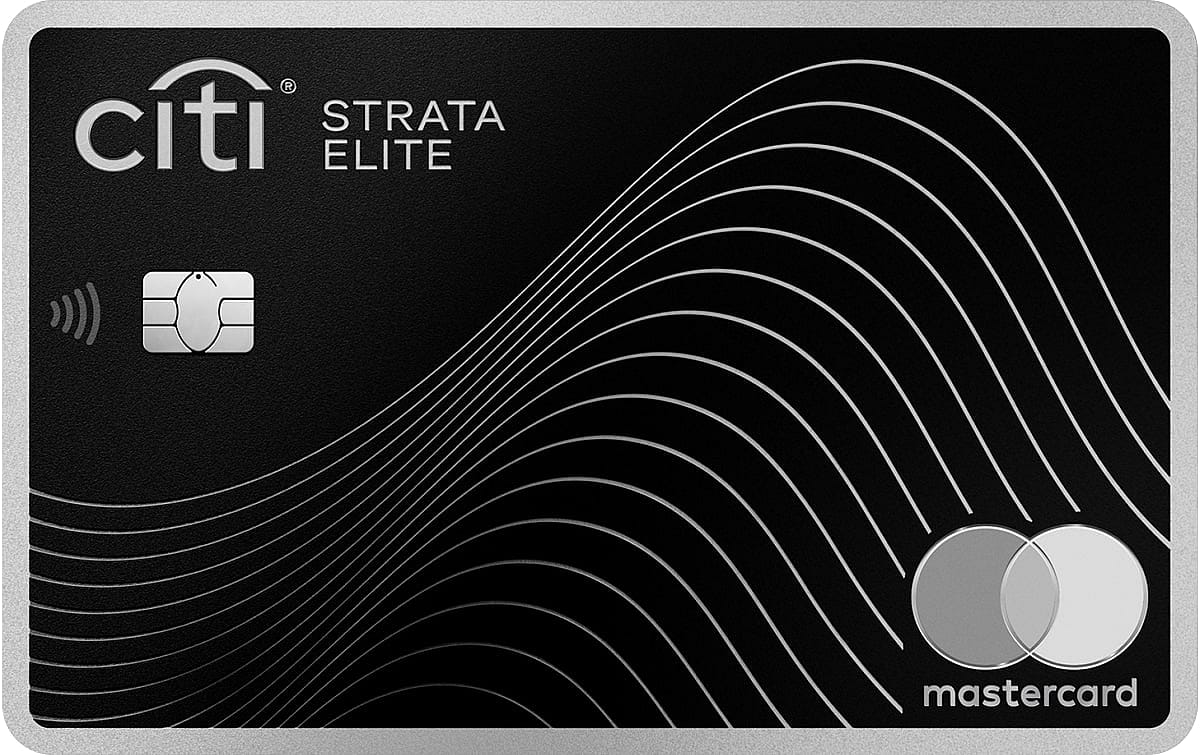
Ranked by SwitchWize's composite score. SwitchWize currently has no compensated product links.
Editorial review
What changed since the last update
Was this guide helpful?
Found an inaccurate, outdated, or missing claim? Report a correction. We verify reports against the relevant source before changing a guide or ranking.
