- Calling to ask for a retention offer costs nothing and takes about five minutes, so try it before closing any card with an annual fee.
- A typical offer is a statement credit, bonus points, or a fee waiver, and it only appears if you say you're considering closing the account.
- Compare the offer plus benefits you'll actually use against the fee; if it's still negative and there's no downgrade, cancel.
Quick answer
Before you close a card because of its annual fee, call the number on the back and ask the retention or loyalty team what they can do to keep you. This single call can turn a card that's losing you money into one that's worth another year, at zero cost to you if the answer is no. Say you're weighing closing the account over the fee, then ask directly whether there's anything they can do. Compare whatever they offer, plus benefits you'll genuinely use, against the fee itself. If the number still comes out negative and downgrading isn't an option, cancel with confidence. Retention offers are discretionary, so treat any number you're quoted as this account's offer only, not a guarantee for next year. A credit card retention offer might seem small, but it's often the difference between paying an annual fee and keeping your rewards benefits free.
What a retention offer actually is
A retention offer is whatever an issuer decides to give a cardholder who's about to leave, in exchange for staying another year. It's not published anywhere and it's not the same every time. The three forms you'll typically hear:
- A statement credit, often somewhere between $50 and a few hundred dollars depending on the card's fee tier.
- Bonus points or miles, which the representative may quote at a cash value.
- A partial or full fee waiver for the coming year, sometimes stacked with a smaller credit.
None of this exists until you ask. Issuers don't proactively offer it when the fee posts; it surfaces specifically when you tell them you're thinking about closing.
The script
Keep it simple. Call the number on the back of the card, not a general customer service line if you can route around it, and ask for the retention or loyalty department. State your situation plainly: you're considering closing the account because the annual fee doesn't make sense for you anymore. Then ask the direct question: is there anything you can do to help me keep this account?
Let the representative respond first rather than naming a number yourself. If the first offer feels thin, it's reasonable to say you're still leaning toward closing and see if there's anything else available, but don't expect a second round every time.
Realistic odds by issuer
There's no dependable ranking here, and any specific figure you read online is one account's experience, not a rule. What tends to hold up across cardholder reports: issuers with premium travel cards carrying larger annual fees generally have more room to offer a credit or points, since there's a bigger fee to protect. Cards with smaller fees, or no fee at all, have less to work with, so representatives have less to offer. The account's tenure and how much you spend on it can also factor into what the rep is authorized to give. Confirm current terms directly with the issuer; this article won't guess at numbers a phone rep controls.
Decision table
- Best move
- Call and ask for a retention offer first
- Why
- It costs nothing and can fully erase the fee you're trying to avoid
- Best move
- Accept the offer and keep the card
- Why
- The account is now net-positive for at least another year
- Best move
- Ask about a no-fee downgrade instead
- Why
- Removes the fee entirely without relying on a one-time credit
- Best move
- Cancel the account
- Why
- Nothing left to negotiate; closing is the honest next step
- Best move
- Skip the retention math and address the balance first
- Why
- Interest cost dwarfs any statement credit or bonus points on offer
Do this, skip this
Do this:
- Call before you cancel, every time, on any card with a fee worth negotiating around.
- Let the representative name the offer first instead of anchoring low yourself.
- Write down exactly what was offered and the date, since it won't be honored again automatically next year.
Skip this:
- Don't call about a card with no annual fee; there's nothing for an offer to offset.
- Don't accept an offer that requires new spending you wouldn't otherwise make.
- Don't treat this year's offer as a promise for next year's renewal.
If you carry a balance
If you pay your statement in full, a retention offer is a straightforward win or loss: compare the dollar value against the fee and decide. If you carry a balance, the math changes order. The live average card APR of 24.00% means a few hundred dollars of revolving debt can cost more in a single month than most retention offers are worth for the year. Handle the balance, or at least model it with the credit card interest calculator, before you spend time negotiating a fee waiver.
You're paying a $150 annual fee on a card where you only used about $60 worth of benefits last year. You call, and the retention team offers a $75 statement credit to keep the account open. Combined with the $60 in benefits you're confident you'll use again, the account's effective cost is $150 minus $75 minus $60, or $15. That's cheap enough that most people would rather keep the account than deal with closing it.
If the representative has nothing to offer, you're back to $150 minus $60, or $90 of unrecovered cost each year, and canceling or downgrading becomes the better move.
Run the Card Retention Offer calculator with your own fee, benefit usage, and whatever the representative quotes you, and check the Annual Fee Breakeven tool if you're also weighing a downgrade. A Money Map scan can show whether this fee decision is even the biggest dollar opportunity in your finances right now.
Approval and account context
Retention offers are tied to the account you already hold, not your current credit score. The issuer already approved you once; this call doesn't trigger a new credit check or a new application. What it doesn't do is guarantee anything for future years: an offer accepted this July has no bearing on what happens at next year's renewal, and the issuer can decline to offer anything at all.
Fees and terms to confirm
Offers vary by account, by card, and by representative, and can include spending requirements, a forfeiture clause if you close early after accepting, or simply no offer at all. Before accepting, confirm whether the credit posts immediately or over several statements, whether it's contingent on new spending, and whether the current annual fee, APR, and reward terms match what's in your card agreement. Don't infer any of this from what a past retention offer included.
For the surrounding decisions, read cancel vs. downgrade vs. product change, when to request an annual fee refund, and the Real Annual Value guide for the full framework this article assumes.
How we ranked
We evaluated the retention call by its cost (a phone call, essentially free) against its realistic upside (a statement credit, points, or fee waiver), and treated a downgrade or cancellation as the fallback when no offer materializes. We didn't assume every account gets an offer, and we didn't inflate typical credit amounts beyond what issuers commonly report.
Compensation disclosure: SwitchWize may earn a referral fee when you apply through partner links. Nothing in this article changes based on that; the retention call itself involves no SwitchWize product.
Sources
- CFPB guide to credit card costs explains how annual fees, APR, and rewards fit into the total cost of holding a card.
- CFPB on closing a credit card account covers what happens to your credit file if a retention offer doesn't work out and you cancel anyway.
- Federal Reserve consumer credit resources explain how card agreements and payment terms are structured.
Terms referenced on this page were verified on July 10, 2026. Offers, fees, APRs, and program rules can change, and retention offers are never guaranteed. This article is educational information, not individualized financial advice.
Frequently Asked Questions
What exactly is a credit card retention offer?
What should I actually say on the phone?
Which issuers give the best retention offers?
Is it worth calling if the annual fee is small?
What if I'm carrying a balance on this card?
The 5-minute money briefing
One email per week. New rates, fed moves, and what to actually do about them.
No spam. Unsubscribe anytime.
Act on this: today's top cards


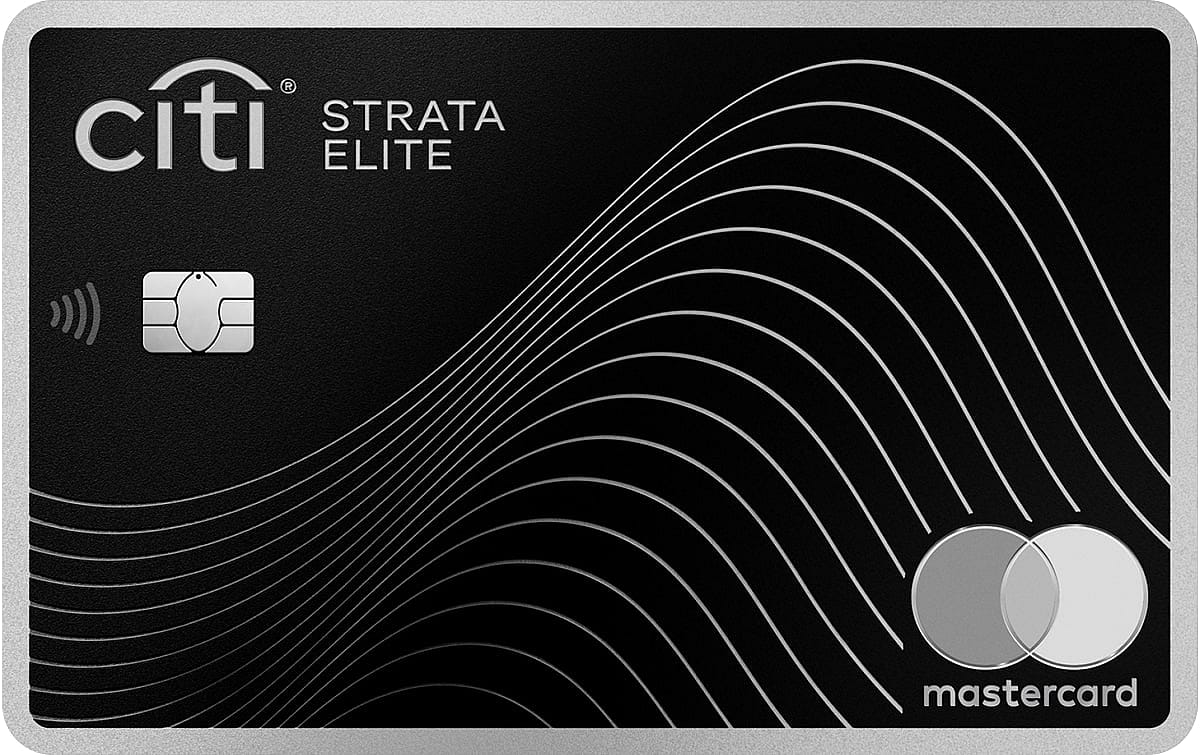
Ranked by SwitchWize's composite score. SwitchWize currently has no compensated product links.
Editorial review
What changed since the last update
Was this guide helpful?
Found an inaccurate, outdated, or missing claim? Report a correction. We verify reports against the relevant source before changing a guide or ranking.
