- Premium-card credits reset on their own clock, monthly, quarterly, or annually, and unused ones simply expire.
- A short reminder list tied to each credit's cycle date recovers most of the value that would otherwise go unused.
- If you carry a balance, credit tracking is a distraction from the bigger cost sitting on your statement.
Quick answer
Track each credit by its reset date, not by the card's headline "$300 in benefits" figure. Monthly credits (streaming, rideshare) reset 12 times a year and are the easiest to forget because the dollar amount feels small each time. Quarterly and annual travel credits are larger but easier to remember, since you only need to catch them once or four times a year. Build a short list: credit name, dollar amount, reset frequency, next reset date. Check it against your statement each cycle. After 12 months, add up what actually posted and compare that number, not the advertised total, against the annual fee. This systematic approach to how to track credit card monthly quarterly and annual credits ensures you capture every dollar your premium card offers before the window closes.
Decision table
- Best next move
- Set calendar reminders a few days before each reset
- Why
- Low effort matches low complexity
- Best next move
- Use the benefit tracker instead of a manual list
- Why
- One dashboard beats juggling several calendars
- Best next move
- Move the reminder earlier in the cycle
- Why
- The credit needs a specific trigger, like "the 25th," not a vague "sometime this month"
- Best next move
- Ask whether the merchant restriction is the real blocker
- Why
- Some credits only post at specific merchants you may not actually use
- Best next move
- Compare downgrading against the real annual value framework
- Why
- Tracking will not fix a card that fails the math even when every credit posts
The real cost of forgetting
A card with an $95 annual fee offers a $10 monthly streaming credit ($120/year) and a $100 annual travel credit ($220 total). If you redeem the streaming credit in only 7 of 12 months and skip the travel credit entirely, you have captured $70 against a $95 fee. The card is now costing you $25 a year before counting any rewards earned on spend, even though the advertised benefit total made it look like a lock.
The gap between what a card advertises and what a typical cardholder redeems is the subject of the coupon-book problem, which walks through why issuers can advertise a large benefit total in good faith while most cardholders never see most of it.
Choose this if, skip it if
Use calendar reminders if:
-
You hold one or two cards and the credits are simple to describe in a sentence each.
-
You already check your statement regularly and just need a nudge on timing.
Use the benefit tracker if:
-
You are managing multiple premium cards and losing track of which credit resets when.
-
You want a running total of redeemed value against the annual fee, not just a list of dates.
Skip tracking and downgrade instead if:
-
You have tried reminders for two full cycles and still are not using the credits naturally.
-
The merchants a credit requires do not match where you actually spend.
Pay-in-full versus revolver verdict
If you pay your statement balance in full, chasing every credit is a reasonable use of a few minutes a month, since the worst case is a missed $10-$25 credit. If you are carrying a balance, stop here: the average card APR of 24.00% means interest on even a modest balance will exceed a year's worth of missed credits. Use the credit card interest calculator to see the number, then prioritize paying it down before optimizing anything else.
Fees, resets, and exclusions to verify
Reset schedules are not always calendar-month or calendar-year. Some credits run on your card's "cardmember year" (the anniversary of when you opened the account) instead of the calendar year, which is an easy way to lose a credit you thought you had until December. Confirm with your issuer whether each credit resets on the calendar month, calendar quarter, calendar year, or your personal cardmember year, and whether it requires a specific merchant code to post at all.
Approval and credit-tier context
Cards with this many moving credits are almost always premium products aimed at applicants with excellent credit and the cash flow to pay in full. If you are not approved for one of these cards today, how to build credit from scratch and how to increase your credit limit cover the more foundational steps first.
How we ranked
We ranked tracking methods by how reliably they recover redeemable credit value relative to the effort required, not by which method looks the most sophisticated. A free calendar that you actually use beats a tracker you set up once and ignore.
Compensation disclosure: SwitchWize may earn a referral fee when you apply through partner links on this site. That relationship does not change how tracking methods are ranked above.
Sources
- CFPB credit card cost guidance explains how fees, APRs, and card terms interact.
- Federal Reserve consumer credit resources cover card agreements and disclosure requirements issuers must follow.
Terms referenced on this page were verified on July 10, 2026. Offers, fees, credit terms, and reset schedules can change; confirm current terms with your issuer. This article is educational information, not individualized financial advice.
What to Do Now
Frequently Asked Questions
What is the easiest way to track credit card credits?
Do unused monthly credits roll over?
How much does forgetting credits actually cost?
Is a tracking app worth it over a simple calendar?
What if I carry a balance on the card?
The 5-minute money briefing
One email per week. New rates, fed moves, and what to actually do about them.
No spam. Unsubscribe anytime.
Act on this: today's top cards


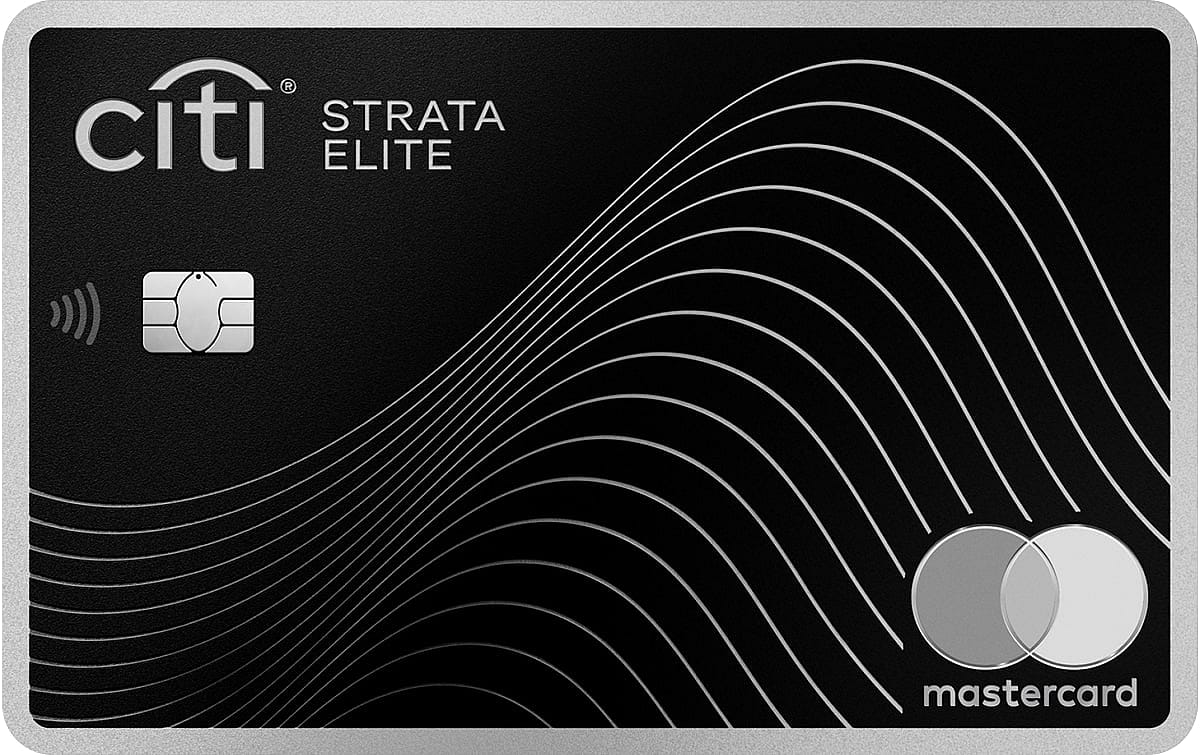
Ranked by SwitchWize's composite score. SwitchWize currently has no compensated product links.
Editorial review
What changed since the last update
Was this guide helpful?
Found an inaccurate, outdated, or missing claim? Report a correction. We verify reports against the relevant source before changing a guide or ranking.
