- A backup card's job is reliability, not rewards, so pick one with no annual fee and low upkeep.
- Put it on a different network and ideally a different issuer than your primary card to avoid shared outages or fraud holds.
- An unused backup can get closed for inactivity, so run a small charge through it once or twice a year.
Quick answer
A backup credit card exists for the day your primary one doesn't work: a network outage, a fraud hold that freezes the account for review, a merchant or country that doesn't take your primary's network well, or simply hitting your limit mid-trip. The right backup has no annual fee, sits on a different network than your daily card, and ideally comes from a different issuer so a security flag on one account doesn't take out both. It doesn't need a strong rewards rate. Its entire value is showing up and working when your main card can't, which is worth more than an extra percentage point of cash back. Following these principles on how to choose a backup credit card ensures you're never stranded without a working payment method.
Choose a backup this way
Pick a no-fee, different-network card if:
-
Your primary is an Amex or Discover card, since acceptance for those networks is narrower at some smaller merchants and internationally.
-
You want a card you can forget about for months without it costing you anything to hold.
-
You travel, since a network outage or acceptance gap is more likely to actually matter away from home.
A second card from your primary's issuer is fine only if:
- You mainly want convenience, like one app and one login, and you accept the shared fraud-hold risk that comes with it.
Skip having a backup at all only if:
- You're comfortable carrying cash or a debit card as your fallback, and you rarely travel or make large purchases where a decline would be costly.
If this is true for you, pick this
- Best backup pick
- A no-fee Visa or Mastercard
- Why
- Closes the acceptance gap at merchants and countries that favor those two networks.
- Best backup pick
- A no-annual-fee card from any issuer
- Why
- A backup shouldn't charge you for the privilege of rarely using it.
- Best backup pick
- A card from a different issuer
- Why
- Separate issuers usually run separate risk systems, so one freeze doesn't take out both.
- Best backup pick
- Two networks, ideally two issuers
- Why
- Covers both acceptance gaps and issuer-side account freezes at once.
- Best backup pick
- Set a recurring small charge on it
- Why
- Keeps the account active so it isn't closed before you need it.
What reliability is actually worth
A no-fee backup sitting unused for eleven months looks like it's contributing nothing. Then, in month twelve, your primary card gets flagged for a routine fraud review and is frozen for two days while you're mid-trip. The backup covers a $1,200 hotel and rental car charge that would otherwise have bounced.
That's the entire return on a backup card: not a reward rate, but a working payment method on the one day it matters. A $0 annual fee makes that insurance free to hold.
Run your own numbers with the credit card portfolio optimizer if you're weighing a backup against adding a rewards card instead. A Money Map scan can also flag if a bigger gap, like an emergency fund, matters more than which card sits in your wallet as backup.
Pay-in-full versus revolver verdict
For someone who pays in full, a backup card should carry no fee and stay dormant except for the occasional small charge to keep it active. For someone carrying a balance on a primary card, don't add a second card to solve a cash-flow problem. Interest near the average card APR of 24.00% makes an extra line of credit a risk, not a safety net, so a payoff plan or the credit card interest calculator come before a backup-card decision.
Fees, exclusions, and approval context
Confirm the backup's annual fee, foreign transaction fee if you travel, and any inactivity policy before relying on it. Two cards from the same issuer can be frozen together during one fraud review, since issuers commonly manage risk at the customer level, not just the card level. An Amex-primary or Discover-primary wallet without a Visa or Mastercard backup can also run into acceptance gaps at smaller merchants, certain countries, and some subscription billing systems.
A no-fee backup still generally requires fair to good credit for approval; issuers don't guarantee approval at any specific score, so check prequalification tools where available. If you're newer to credit, see how to choose a credit card for approval basics before applying for a second account.
This backup-card logic pairs with the broader wallet-size question in one credit card versus multiple cards and best two-card and three-card setups. If you're also weighing a rewards-heavy three-card strategy, read when a credit card trifecta is not worth it first.
How we ranked
We ranked backup-card options by annual cost, network coverage relative to a typical primary card, and issuer diversification, not by rewards rate. A backup's job is uptime, so a card that adds acceptance or fraud-risk redundancy ranked above a card that simply earns a slightly higher cash-back percentage.
Compensation disclosure: SwitchWize may earn a referral fee when you apply through partner links. Organic rankings are based on fit and value.
Sources
- CFPB guidance on lost or stolen cards and unauthorized charges covers what happens when a card is frozen, reported, or replaced.
- Federal Reserve consumer credit resources explain general card agreement and payment terms.
- CFPB credit card cost guidance covers how annual fees and terms affect the cost of holding any card, including one you rarely use.
Terms referenced on this page were verified on July 10, 2026. Offers, fees, APRs, rewards, eligibility, and program rules can change. This article is educational information, not individualized financial advice.
What to Do Now
Frequently Asked Questions
Why would I need a backup card if my primary works fine?
Does the backup need rewards at all?
Should my backup be from the same bank as my primary card?
What if I have bad or thin credit?
How often should I use it?
The 5-minute money briefing
One email per week. New rates, fed moves, and what to actually do about them.
No spam. Unsubscribe anytime.
Act on this: today's top cards


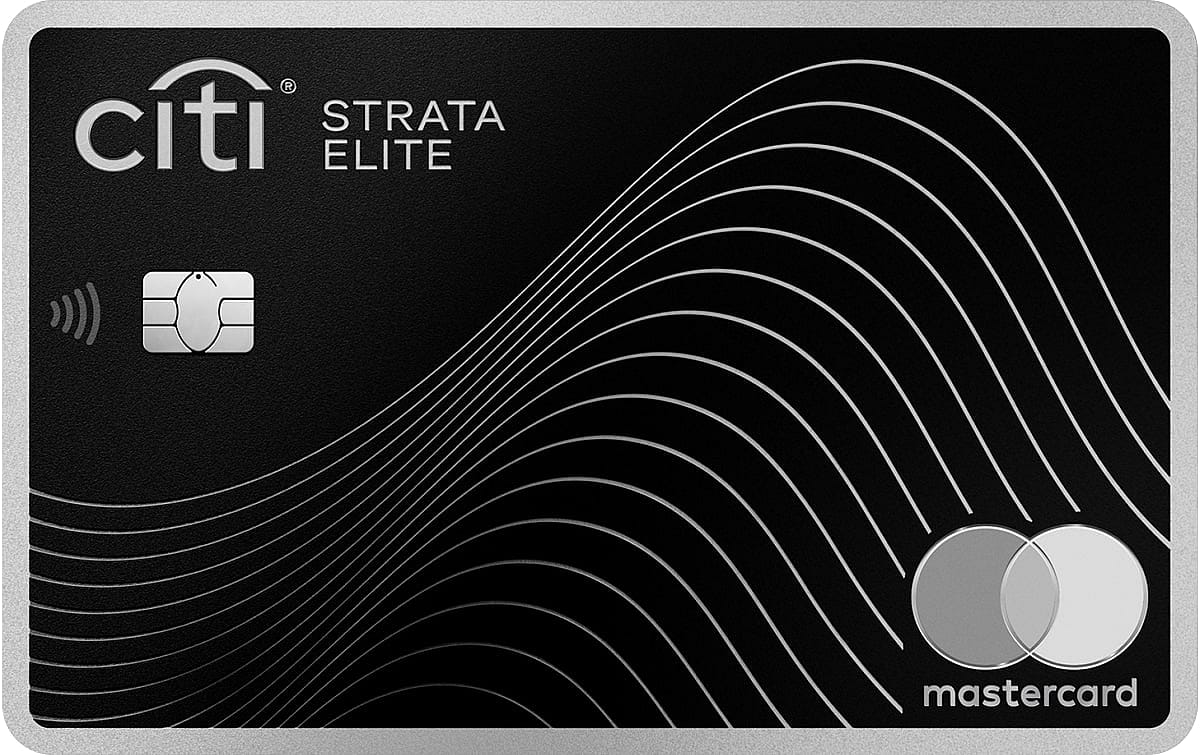
Ranked by SwitchWize's composite score. SwitchWize currently has no compensated product links.
Editorial review
What changed since the last update
Was this guide helpful?
Found an inaccurate, outdated, or missing claim? Report a correction. We verify reports against the relevant source before changing a guide or ranking.
