- A trifecta only pays for itself when spend is high and genuinely spread across a rotating category, everyday purchases, and travel.
- The most common failure isn't a bad card, it's a missed quarterly activation on the rotating-category card.
- A two-card setup or a single flat-rate card often captures most of the value with none of the upkeep.
Quick answer
A "trifecta" usually means running three cards together on purpose: one annual-fee travel or points card, one card with a rotating 5% category, and one flat-rate card for everything else. It can genuinely beat a single card, but only when your spending actually touches all three lanes and you keep up with quarterly activations and decent point redemptions. If your spending is concentrated in one or two categories, or you've missed an activation window before, the third card is quietly earning its base rate while still charging you complexity, and sometimes a fee, for nothing. Run the comparison against a plain flat-rate card before assuming the trifecta wins by default. Ultimately, when a credit card trifecta is not worth it, simplicity and actual rewards value should guide your wallet strategy.
If your spending looks like this, do this
- Better move
- Run the full trifecta
- Why
- Each card is pulling real weight, so the added value likely clears the fee.
- Better move
- Drop the rotating-category card
- Why
- A forgotten activation means that card is earning its base rate, not 5%.
- Better move
- Use a two-card setup instead
- Why
- A third card adds tracking without adding much reward.
- Better move
- Skip the points card, keep cash back
- Why
- Unredeemed or poorly redeemed points are worth less than their sticker value.
- Better move
- Stop optimizing rewards
- Why
- Interest cost outruns any rewards math a trifecta can produce.
Choose the trifecta if, skip it if
Run the full trifecta if:
-
Your spending genuinely spans a rotating 5% category, everyday flat spend, and travel or transferable points.
-
You've reliably activated rotating categories in the past without missing a quarter.
-
You pay the statement balance in full every month.
Drop to two cards if:
-
One of the three cards would clearly be earning its floor rate most of the time.
-
You want most of the value without a second or third account to monitor.
Use one flat-rate card if:
-
You've missed activations before, don't travel often, or don't redeem points at a strong rate.
-
You would rather not track which card to use for which purchase.
The math, worked through
Say a household spends $24,000 a year: $6,000 in a rotating 5% category, $4,000 on travel redeemed through point transfers, and $14,000 everywhere else. Run correctly, the trifecta could out-earn a single 2% flat card by a few hundred dollars a year, before subtracting the travel card's annual fee.
Now assume one activation is missed and travel points are cashed out at a weak rate instead of transferred. That gap shrinks fast, and it can disappear entirely once the annual fee is subtracted. The trifecta's advantage depends on consistent behavior, not just owning the right three cards.
Use the credit card portfolio optimizer to plug in your own spending instead of this example. A Money Map scan is also worth running first, since for some households a debt payoff or savings move is worth more than optimizing which card earns 5% on groceries.
Check each card's fee against realistic usage with the Annual Fee Breakeven tool — a trifecta only pencils out if every card in it clears its own fee, not just the set combined.
Pay-in-full versus revolver verdict
If you pay the statement balance in full every month, the trifecta question is really a spreadsheet exercise: does the added card earn more than its fee and your time? If you carry a balance in some months, skip the exercise. Interest at rates near the average card APR of 24.00% will outweigh whatever a rotating category or transfer-partner sweet spot earns, so a lower-rate card or a payoff plan matters more than a third rewards card.
Fees, activations, and approval reality
The travel or premium card in a trifecta is typically the only one carrying an annual fee; the rotating and flat-rate cards are usually free to hold. That means the real cost of the setup isn't three fees, it's one fee plus the ongoing work: activating the rotating category every quarter, remembering which card to use where, and redeeming points through a transfer or portal instead of just cashing out. Reward caps on rotating categories also mean spend above the quarterly limit reverts to a lower rate.
Because a trifecta means holding and managing three separate accounts, issuers generally expect an established, well-managed credit file, and some limit how many new accounts they'll approve within a recent window. This setup fits someone with stable, high-and-diversified spending better than someone still building credit. See how to choose a credit card for approval basics if you're not there yet.
For the two- and three-card combinations this framework assumes, read best two-card and three-card setups and one credit card versus multiple cards. If you're deciding between specific issuers, Chase, Amex, Citi, Capital One, and Wells Fargo combinations breaks that down separately.
How we ranked
We compared each option's realistic annual value against its added complexity: fees, quarterly activation requirements, and how well an average household actually redeems transferable points. We did not assume perfect activation timing or top-tier redemption value, since that's the assumption that makes most trifecta math look better than it performs in practice.
Compensation disclosure: SwitchWize may earn a referral fee when you apply through partner links. Organic rankings are based on fit and value.
Sources
- CFPB credit card cost guidance explains how annual fees, APRs, and reward structures affect the real cost of a card.
- CFPB credit card agreement database lets you pull the actual current terms for any card in a trifecta before applying.
- Federal Reserve consumer credit resources cover how card agreements and payment obligations work generally.
Terms referenced on this page were verified on July 10, 2026. Offers, fees, APRs, rewards, eligibility, and program rules can change. This article is educational information, not individualized financial advice.
What to Do Now
Frequently Asked Questions
What actually makes a trifecta worth running?
What's the most common way a trifecta fails in practice?
Do I need excellent credit to build one?
What if I sometimes carry a balance?
Is a two-card setup a real alternative, or just a compromise?
The 5-minute money briefing
One email per week. New rates, fed moves, and what to actually do about them.
No spam. Unsubscribe anytime.
Act on this: today's top cards


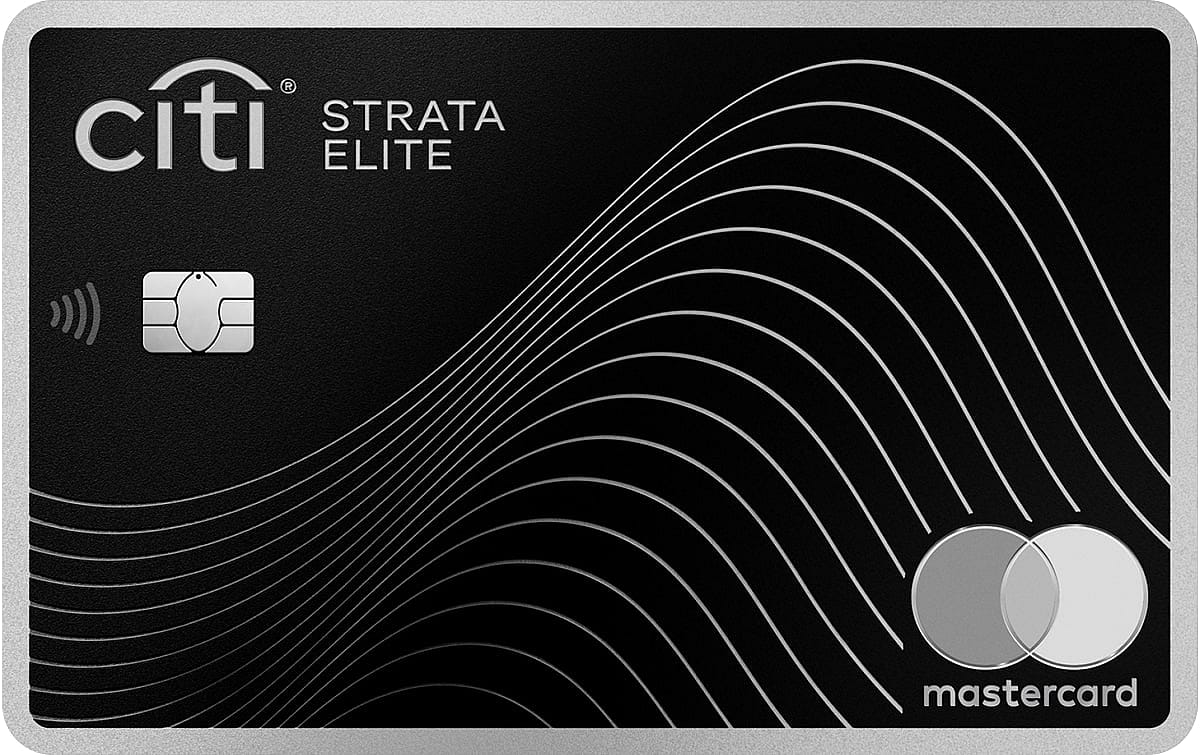
Ranked by SwitchWize's composite score. SwitchWize currently has no compensated product links.
Editorial review
What changed since the last update
Was this guide helpful?
Found an inaccurate, outdated, or missing claim? Report a correction. We verify reports against the relevant source before changing a guide or ranking.
