How to choose
What to weigh before you pick
It usually comes down to 3 things. Compare your options on each before deciding.
What you earn on the spending you actually do.
The fee weighed against the rewards and credits you will use.
The intro offer and the spend required to earn it.
- For most people, one no-fee flat-rate card captures the majority of realistic reward value with the least chance of a costly mistake.
- A second card only clears the bar once its real annual gain, after any fee and the extra tracking, is at least $100 to $150.
- Carrying a balance overrides the whole comparison: interest at the average card APR outweighs almost any multi-card reward gain.
Quick answer
For most people, one credit card is genuinely the right answer, not a compromise. A single flat-rate, no-annual-fee card earning roughly 2% on everything captures most of the reward value available to typical spending, with one due date, one set of terms, and close to zero chance of a forgotten credit. A second card only clears the bar when one category, groceries, travel, or dining, is large enough that a dedicated card's rate beats the flat card by real, recurring money, usually at least $100 to $150 a year after any fee. Anything past two cards should be a deliberate system you actively manage, not an accumulation of offers. If you carry a balance, skip this comparison until it is paid off. The core takeaway on one credit card vs multiple cards is simple: optimize for your actual spending, then stop.
A single flat 2% card on $28,000 of annual spending earns $560, with no fee and one due date to remember. A second card that lifts $6,000 of grocery spend from 2% to 4% adds $120 a year. That is a real gain, but if the second card carries a $95 annual fee, the net add is only $25, and a single missed payment on either card would erase that for the year. Run your own spending through it before assuming a second card is automatically worth more.
Decision table
- Best next move
- Stay with a single flat-rate card
- Why
- A dedicated category card only wins when one category is genuinely oversized
- Best next move
- Stay with one card, or automate before adding a second
- Why
- Multiple cards raise the odds of a missed payment, which costs more than most reward gains
- Best next move
- Add one second card for that category
- Why
- The dollar gap from a dedicated card becomes large enough to clear the tracking cost
- Best next move
- Reconsider or downgrade that fee before adding a card
- Why
- A second card does not fix an unused fee sitting on the first one
- Best next move
- Skip the second card for now
- Why
- Interest during a signup-bonus spending push can exceed the bonus itself
Choose this if, skip it if
Stay with one card if:
-
Your spending is fairly spread out with no category clearly oversized.
-
One due date and one set of terms is already the amount of tracking you want to do.
-
You want the lowest realistic chance of a missed payment or a forgotten credit.
Add a second card if:
-
One category is large enough that a dedicated card's rate beats your flat card by real, recurring money, not a token amount.
-
You are confident you will track a second due date without letting it slip.
Move to a multi-card system only if:
-
You are willing to actively manage caps, credits, and due dates as an ongoing habit, not a one-time setup. See best two-card and three-card credit card setups for what that system should actually look like.
-
The combined gain clearly and repeatedly outweighs every added fee and the time spent running it.
The complexity cost, honestly
Multiple cards multiply the number of small things that can go quietly wrong: autopay set on the wrong account, a bonus category that resets every quarter, a portal credit that only works once a year. None of these show up in a rewards-rate comparison, but they show up in your actual annual return. Running two cards well realistically costs ten to twenty minutes a month of attention. Running three or more usually means a spreadsheet, an app, or a habit of checking statements you did not have before.
Pay-in-full versus revolver
Every comparison above assumes the statement balance is paid off monthly. If that is not realistic right now, skip the multi-card conversation entirely. A carried balance at the average card APR of 24.00% costs more per month than any second card would earn in a year, so a lower-rate option or a payoff plan comes first, not a new rewards card.
Approval and credit-tier context
A single no-fee flat-rate card is realistic across nearly every credit tier, including fair credit in many cases. A multi-card system generally assumes good to excellent credit and a track record issuers can see, since each new application triggers a hard inquiry that can affect approval odds on the next one for a period afterward. That is one more reason a second card should be a deliberate decision, not a reflex.
Model your own numbers with the credit card portfolio optimizer, and if you are unsure whether a card decision matters as much as a debt or savings decision right now, run Money Map first.
If a second card is really about backup coverage rather than rewards, how to choose a backup credit card answers that narrower question. For specific issuer combinations once you decide two or more cards make sense, see Chase, Amex, Citi, Capital One, and Wells Fargo card combinations, and for when three cards specifically stop paying for themselves, see when a credit card trifecta is not worth it.
How we ranked
We compared single-card and multi-card wallets on estimated annual rewards net of fees, then subtracted a deliberately conservative allowance for tracking cost and missed-credit risk, rather than assuming perfect behavior across every card. A one-card answer is treated as a legitimate winner here, not a fallback for people who "just haven't optimized yet."
Compensation disclosure: SwitchWize may earn a referral fee when you apply through partner links on this page. That relationship does not change whether we recommend one card or several; the math above does.
Sources
- CFPB: know before you owe on credit cards explains how fees, APR, and rewards combine to determine a card's real cost.
- Federal Reserve consumer credit resources cover how card agreements and payment terms work across issuers.
Terms referenced on this page were verified on July 10, 2026. Offers, fees, APRs, rewards, eligibility, and program rules can change. This article is educational information, not individualized financial advice.
Frequently Asked Questions
Is one credit card enough for most people?
How much does a second card actually need to earn to be worth it?
What's the biggest risk of running multiple cards?
Should someone who dislikes managing finances still get a second card?
Does carrying a balance change the math?
The 5-minute money briefing
One email per week. New rates, fed moves, and what to actually do about them.
No spam. Unsubscribe anytime.
Act on this: today's top cards


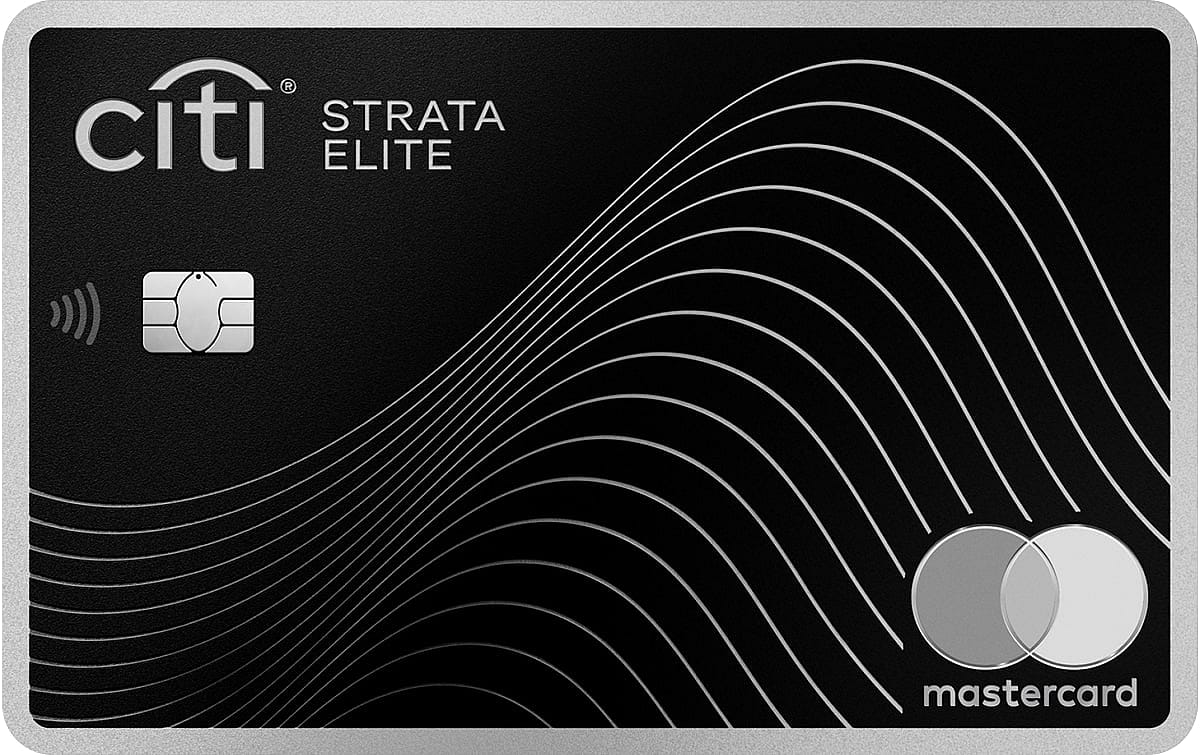
Ranked by SwitchWize's composite score. SwitchWize currently has no compensated product links.
Editorial review
What changed since the last update
Was this guide helpful?
Found an inaccurate, outdated, or missing claim? Report a correction. We verify reports against the relevant source before changing a guide or ranking.
