- A two-card setup, one flat-rate floor card plus one focused card, covers most of the achievable reward lift for a typical spender.
- A third card only pays for itself if it closes a specific gap, like business spend or a second high-volume category, that the first two cannot reach.
- Every card added multiplies the due dates, portals, and credits you have to track, and that cost belongs in the math, not just the reward rate.
Quick answer
Two cards beat one when a single category, groceries, travel, or dining, is large enough that a dedicated card's rate clearly beats a flat-rate card's return on it. Pair a no-annual-fee flat-rate card, something earning a flat 2% on everything, with one focused card built around that category or a travel goal. A third card is worth adding only when it closes a coverage gap the first two structurally cannot reach, most commonly a business card for side income or a second high-volume category the first focused card does not touch. If the third card's realistic annual gain, after its fee and the extra tracking, is under roughly $100 to $150, stay at two cards. If you would carry a balance to reach any of this, none of it applies until the balance is gone. Understanding these best two-card and three-card credit card setups helps you maximize rewards without unnecessary complexity or annual fees.
What a two-card setup should cover
The floor card should be a flat-rate, no-annual-fee cash-back card, something like Citi Double Cash, Wells Fargo Active Cash, or Chase Freedom Unlimited, earning roughly 2% (or 1.5% plus a bonus category) on everything with no expiration and no category tracking. That card alone already beats most people's actual behavior, since it never requires remembering which category is bonused this quarter.
The second card should target whichever single category dominates your spending. A frequent traveler might add Chase Sapphire Preferred for its travel and dining multiplier and its Hyatt transfer access. A household with a large grocery bill might add Amex Blue Cash Preferred instead. The rule is the same either way: the second card only earns its place if its category rate beats the flat card by real, recurring dollars.
What a third card actually adds
A third card is not "more rewards for the sake of more rewards." It should close one specific gap the first two cards cannot reach. Common, genuinely useful third-card additions include a business card (Chase Ink Business Unlimited or Amex Blue Business Plus) to separate side-income spend from personal spend, or a second category card when two categories are both large enough to justify their own dedicated rate, for example travel through Chase and groceries through Amex at the same time.
A third card that only adds a marginal reward bump in a category you barely spend in is not worth the fee, the due date, or the mental overhead. If you cannot name the specific gap a third card closes, you probably do not need it yet. For a deeper look at when a three-card setup specifically stops paying for itself, see when a credit card trifecta is not worth it.
Real combination examples
- Cards
- Citi Double Cash + a grocery or gas category card
- Built for
- Simple, fee-free everyday spending with one standout category
- Cards
- Chase Freedom Unlimited + Chase Sapphire Preferred
- Built for
- A flat floor plus Hyatt-eligible transferable points for travel
- Cards
- Two-card core + Chase Ink Business Unlimited
- Built for
- Side income or freelance spend kept separate from personal cards
- Cards
- Flat card + travel card + a second category card (groceries or dining)
- Built for
- Two genuinely large, distinct spending categories in the same household
Decision table
- Best next move
- Add one focused card for your single biggest category or travel goal
- Why
- The floor card already works well; a second card should target the one gap it leaves on the table
- Best next move
- Move to a two-card core built around both
- Why
- Each card earns its keep on a distinct, high-volume category rather than overlapping
- Best next move
- Add a business card as the third card
- Why
- Business spend is easiest to separate at the point of purchase, not sorted out later at tax time
- Best next move
- Stay at two cards, or drop to one
- Why
- A third card only wins if its dollar gain clearly beats the extra friction it adds
- Best next move
- Skip the third card until any balance is paid off
- Why
- Interest during a signup-bonus spending push can cost more than the bonus is worth
Choose this if, skip it if
Choose a two-card core if:
-
One category, travel, groceries, or dining, clearly dominates your spending and a dedicated card beats the flat rate on it by real money.
-
You want the reward lift without tracking more than two due dates and one extra login.
-
You can pay both cards in full every month.
Add a third card if:
-
A specific gap, business spend, a second high-volume category, or a distinct travel goal, is not covered by either of your first two cards.
-
The card's realistic annual dollar gain clearly exceeds its fee plus the extra tracking it adds.
Stay at one card if:
-
No single category is large enough to beat a flat-rate card by a meaningful margin.
-
You already know you will not reliably track due dates, caps, or credits across multiple accounts. See one credit card vs. multiple cards for the fuller case for stopping at one.
Pay-in-full versus revolver
Everything above assumes both cards are paid in full every statement. If you carry a balance, stop optimizing for a second or third card's reward rate and compare it to the average card APR of 24.00% instead. Interest on even a few hundred carried dollars usually costs more in a month than any category bonus a new card could add in a year.
Say you spend $2,000 a month split across everyday purchases, groceries, and travel. A flat 2% card alone earns about $480 a year with no fee and one due date. Adding a grocery-category card that lifts $500 a month of groceries from 2% to 5% adds roughly $180 a year, worth it if the card carries no fee. A third card built around travel might add another $150 a year in transferable points, but if it carries a real annual fee and you travel too little to use its credits, that third card can net out near zero. Replace these numbers with your own spending before deciding.
Fees, portals, and the real complexity cost
Every card added brings its own due date, its own portal login, and often its own recurring credit that expires unused if you forget it. A two-card setup usually means one or two logins and one or two statement dates to track. A three-card setup can mean three due dates, a business statement kept separate from personal, and at least one annual fee to justify every single year. None of that disqualifies a third card, but it is a real cost that belongs in the reward math, not something to wave away.
Approval and credit-tier context
A strong two-card setup, including cards with no annual fee, is realistic for most applicants with good credit. Adding a third card, especially a premium travel or dedicated business card, more often assumes an established credit history and income that supports the card's expected spend. Issuers do not guarantee approval at any specific score, so check prequalification tools before applying, and avoid opening a third card in the months before a mortgage or auto loan application.
Run your own numbers with the credit card portfolio optimizer before adding a card, and use Money Map if you are not sure whether a card decision or a debt or savings decision would move your finances more.
If you are building this as a couple, the math changes further; see how couples should build a shared credit card strategy. If your concern is really about a backup card rather than a reward-maximizing third card, how to choose a backup credit card covers that separate question directly.
How we ranked
We built these combinations around real, verifiable card mechanics, category multipliers, transfer partners, and annual fees, rather than around the size of an advertised welcome bonus. A setup only earns a "two-card" or "three-card" label here if each card's role is distinct and its dollar contribution is estimable from ordinary spending, not from a best-case redemption.
Compensation disclosure: SwitchWize may earn a referral fee when you apply through partner links on this page. That relationship does not change which setups we recommend; the ranking follows the math above.
Sources
- CFPB: what is a credit card covers the basic cost structure, fees, and terms that apply to any card in a multi-card wallet.
- CFPB credit card agreement database lets you pull the current agreement for any issuer named above before applying.
Terms referenced on this page were verified on July 10, 2026. Offers, fees, APRs, rewards, eligibility, and program rules can change. This article is educational information, not individualized financial advice.
Frequently Asked Questions
What's the actual difference between a two-card and a three-card setup?
Do I need a premium travel card to make a two-card setup work?
How do I know if a third card is worth the extra complexity?
Does a business card count as a good third-card addition?
What if I'd carry a balance some months to build a three-card setup?
The 5-minute money briefing
One email per week. New rates, fed moves, and what to actually do about them.
No spam. Unsubscribe anytime.
Act on this: today's top cards


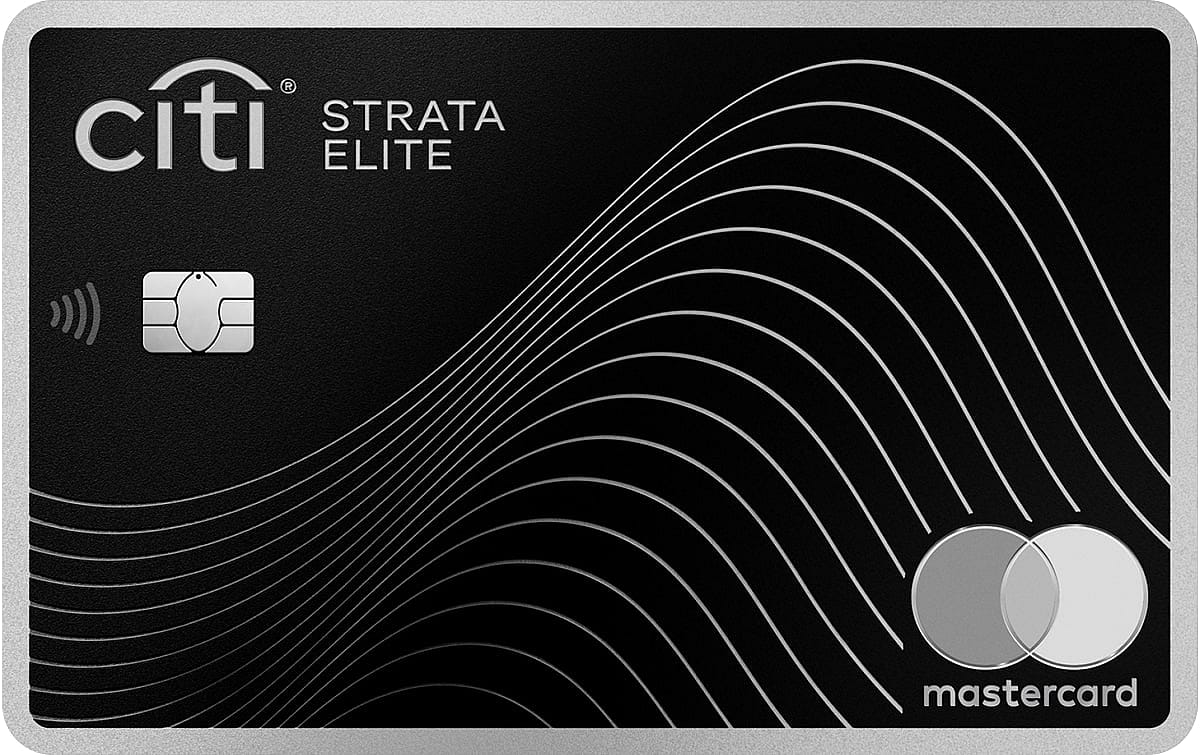
Ranked by SwitchWize's composite score. SwitchWize currently has no compensated product links.
Editorial review
What changed since the last update
Was this guide helpful?
Found an inaccurate, outdated, or missing claim? Report a correction. We verify reports against the relevant source before changing a guide or ranking.
