- Chase, Amex, and Citi points each pool only within their own issuer; none of the three transfers directly into another.
- Capital One's Venture-series miles work similarly to Chase, while Wells Fargo redeems at a fixed cash value with no travel transfer partners at all.
- A second issuer only earns its annual fee back if it covers an exclusive partner or category the first issuer structurally cannot reach.
Quick answer
Points from Chase, Amex, and Citi each stay inside their own issuer's ecosystem; Chase Ultimate Rewards combines only across Chase cards, Amex Membership Rewards only across Amex cards, and Citi ThankYou Points only across Citi cards. None of the three transfers directly into another. Capital One's Venture-series miles behave similarly within their own family, and Wells Fargo sits apart entirely, redeeming at a fixed cash value with no airline or hotel transfer partners. The realistic combination for most readers is one strong issuer built around the transfer partner or category that matters most, plus a second card from a different issuer that fills one specific gap, not a collection of five separate rewards currencies pulling in different directions. This guide covers chase amex citi capital one and wells fargo card combinations in plain terms, using the numbers above as the real-world example.
Which issuers actually pool points
- Points pool across
- All Chase Ultimate Rewards-earning cards
- Cross-issuer transfer
- None; bridges only through a shared partner like Air Canada Aeroplan
- Points pool across
- All Amex Membership Rewards-earning cards
- Cross-issuer transfer
- None; Delta SkyMiles access is exclusive to Amex
- Points pool across
- All Citi ThankYou-earning cards
- Cross-issuer transfer
- None; some Citi cards need a premium card in the mix to unlock transfers
- Points pool across
- Capital One Venture-series miles cards
- Cross-issuer transfer
- None; transfers directly to its own airline and hotel partners
- Points pool across
- N/A, fixed-value redemption only
- Cross-issuer transfer
- No transfer partners at all
Combinations by goal
Travel-focused: Chase Sapphire Preferred or Reserve for the Hyatt transfer, paired with a no-fee Chase Freedom card to earn the same currency on everyday spend. Add an Amex card only if Delta or another Amex-exclusive partner is central to your actual travel plans.
Cash-back-focused: A single flat-rate card from any one issuer, Citi Double Cash or Wells Fargo Active Cash both work, paired with one category card from a second issuer for your highest-volume spending bucket. Transferable points add nothing here if you never plan to book travel through a transfer partner.
Business-focused: A personal rewards card from one issuer plus a business card from a second issuer, most commonly Chase Ink Business Unlimited or Amex Blue Business Plus, kept separate so business spend, its own bonus categories, and its own tax records never mix with personal cards.
Decision table
- Best next move
- Stick to one issuer's flat cash-back card
- Why
- Fixed-value or flat cash back skips the cross-issuer question entirely
- Best next move
- Choose the one issuer whose transfer partner matches it
- Why
- Usually only one issuer holds the exclusive partner you actually use
- Best next move
- Add a business card from a second issuer
- Why
- Keeping business rewards separate from personal points avoids a mixed, hard-to-value balance
- Best next move
- Confirm a specific exclusive-partner reason first
- Why
- Two premium annual fees rarely pay for themselves without one real anchor use case
- Best next move
- Keep it as the simple floor, not the travel engine
- Why
- Its fixed-value redemption can't match a transferable-points card for travel value
Choose this if, skip it if
Choose a single-issuer ecosystem if:
-
One issuer's transfer partners already cover the travel you actually book.
-
You want one portal, one card-pairing rule, and one annual fee to keep track of.
Add a second issuer if:
-
That issuer holds an exclusive partner, Amex's Delta access or Chase's Hyatt transfer, that the first issuer cannot reach at any ratio.
-
You can justify the second card's annual fee with real, repeated use, not a single planned trip.
Skip transferable points and combine flat cash-back cards instead if:
-
You don't travel often enough to redeem points above their fixed-value floor.
-
Managing two ecosystems' portals and pairing rules sounds like a chore rather than a hobby. If that's you, one credit card vs. multiple cards makes the fuller case for staying simpler.
Pay-in-full versus revolver
Every combination above assumes the statement balance is paid off in full. A carried balance sits at the average card APR of 24.00% regardless of which issuer holds it or how well that issuer's points transfer, so resolve any revolving balance before choosing a combination based on transfer partners.
Say a Chase Sapphire Preferred earns transferable points redeemed for a Hyatt stay worth roughly 3 cents each in a strong redemption, while a no-fee Wells Fargo flat-rate card earns a fixed 2% on everything else. On $30,000 of annual spending split $8,000 through Chase for travel and dining and $22,000 through Wells Fargo for everyday purchases, the combination can land ahead of a single flat card, but only if the Hyatt redemption actually happens. Unused Chase points sitting in an account earn nothing beyond what a cash-back card already pays.
Fees, portals, and issuer rules
A two-issuer combination means two annual fees to justify, two portals to check for credits, and two sets of application rules to keep straight; Chase's own approval limits are different from Amex's patterns, which differ again from Citi's requirement that some cards need a premium companion card to unlock transfers. None of that disqualifies a combination, but it is the real cost being weighed against the exclusive partner access a second issuer provides.
Approval and application-order context
Chase in particular limits new-card approvals once you've opened five or more cards from any issuer within a rolling 24-month window, which can quietly block a Chase application if you build a Citi or Capital One combination first. Sequencing matters: apply for the card you actually want most before filling in the rest of a multi-issuer wallet. Confirm current approval patterns before applying, since issuers do not guarantee approval at any specific score.
Use the credit card portfolio optimizer to test a specific combination against your real spending, and run Money Map if you're not sure a card combination is the highest-value decision in your finances right now.
For the underlying two-versus-three-card framework this builds on, see best two-card and three-card credit card setups, and for when adding a third card specifically stops paying off, see when a credit card trifecta is not worth it.
How we ranked
We grouped combinations by verified issuer mechanics, which cards actually pool points, which require a companion card to unlock transfers, and which have no transfer partners at all, rather than by advertised bonus size. A combination only appears here if its second card closes a gap the first issuer cannot reach on its own.
Compensation disclosure: SwitchWize may earn a referral fee when you apply through partner links on this page. That relationship does not change which combinations we recommend; issuer mechanics do.
Sources
- CFPB rewards market report covers how rewards programs and their terms function across major issuers.
- CFPB credit card agreement database publishes the current cardholder agreement for each issuer named above, including transfer and rewards terms.
Terms referenced on this page were verified on July 10, 2026. Offers, fees, APRs, rewards, eligibility, and program rules can change. This article is educational information, not individualized financial advice.
Frequently Asked Questions
Do Chase, Amex, and Citi points combine with each other?
Does Capital One work the same way as Chase?
Why doesn't Wells Fargo fit the same combination strategy as the other four?
What's a realistic two-issuer combination for someone who isn't a big traveler?
Is it worth running Chase and Amex ecosystems at the same time?
The 5-minute money briefing
One email per week. New rates, fed moves, and what to actually do about them.
No spam. Unsubscribe anytime.
Act on this: today's top cards


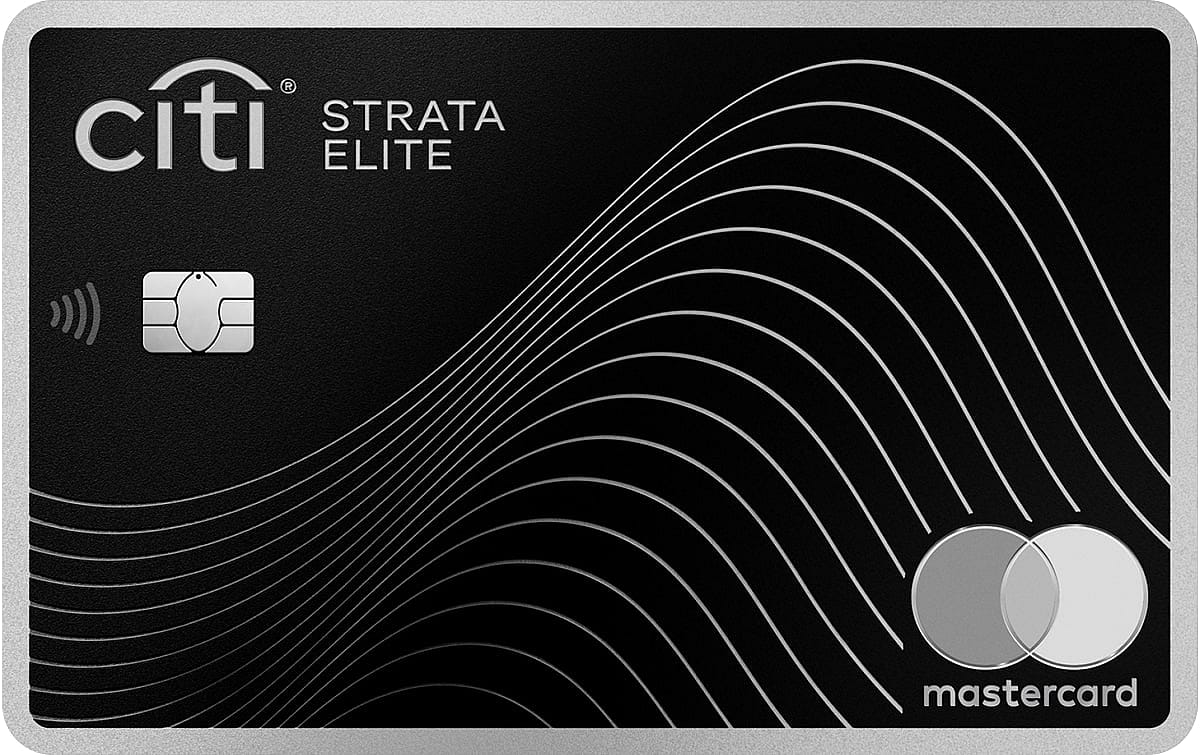
Ranked by SwitchWize's composite score. SwitchWize currently has no compensated product links.
Editorial review
What changed since the last update
Was this guide helpful?
Found an inaccurate, outdated, or missing claim? Report a correction. We verify reports against the relevant source before changing a guide or ranking.
