- Cash back is worth its face value and needs no effort. Points and miles can pay more, but only if you use them well.
- Your situation decides the answer: how often you travel, what you spend most on, and whether you carry a balance.
- If you carry a balance from month to month, lower your interest first. Rewards come second.
Cash back, points and miles each pay more for different people. The right type depends on how you spend, how often you travel and whether you pay your card in full. This page sorts the choice by situation. Find the one that sounds like you, then follow the links to the full guide and a calculator.
For a quick answer on your own spending, try the cash back vs points vs miles calculator.
The three types in plain words
Cash back pays you a share of what you spend, in dollars. It is worth its face value. One dollar of cash back is one dollar.
Points usually come from a bank, like Chase or American Express. You can often use them for cash, travel or gift cards. Some cards also let you move points to airline and hotel programs. The value of a point changes with how you use it.
Miles usually come from an airline card or a travel card. They are aimed at flights. Their value also changes with how you use them.
Points and miles have no fixed value. Do not assume a high value just because a card says so. See our observed points values for what points are actually worth in practice. Our points vs miles guide explains the difference in more detail.
Quick guide by situation
- Start with
- Cash back, then run the travel math
- Why
- A travel card's fee often cancels out its extra rewards
- Start with
- Airline miles card or a flexible points card
- Why
- Free bags and seats can be worth more than cash back
- Start with
- A cash back card with a grocery bonus
- Why
- Grocery bonuses often pay far more than a flat rate
- Start with
- A low-interest card, not rewards
- Why
- Interest costs more than any reward pays
- Start with
- One flat-rate cash back card
- Why
- Same rate on everything, nothing to track
- Start with
- A business card matched to your biggest costs
- Why
- Keeps business spending separate and earns on it
The sections below explain each row.
You travel once or twice a year
Most travel cards charge a yearly fee. The card must earn back that fee before it pays you anything extra. With only a few trips a year, it often does not.
Say you spend $2,800 a year on two trips. A card earning 2 points per travel dollar gives you 5,600 points. If a point is worth one cent, that is $56. A 2% cash back card pays the same $56 on that travel, with no fee.
Points can still pay more in two cases. You get more than one cent of value from each point, or you use a travel credit. Read is a travel card worth it if you fly twice a year for a full example. For the general formula, see how much travel before a travel card pays more.
You fly one airline often
If you fly the same airline many times a year, airline perks start to matter. Free checked bags, early boarding and lounge passes can be worth real money. They count only if you would have paid for them anyway.
Here is an example. Say checked bags cost you $40 each way, and you take four round trips a year with one bag. That is $320 a year you would pay without a card that waives the fee. Check your airline's actual bag price before you count it.
Compare that value with the card's annual fee. Our airline and hotel card perks calculator adds up the perks you will really use. Our guide on airline cards vs flexible travel cards explains when a bank points card is the better choice.
Your family spends a lot on groceries
Grocery bonuses can pay far more than a flat rate. Here is one example with real terms as of November 2026.
The American Express Blue Cash Preferred pays 6% back at U.S. supermarkets on up to $6,000 a year, then 1%. It has a $95 annual fee.
Say your family spends $8,000 a year at U.S. supermarkets:
- 6% on the first $6,000 is $360.
- 1% on the other $2,000 is $20.
- Total: $380. After the $95 fee, you keep $285.
A 2% flat card would pay $160 on the same $8,000. So in this example, the grocery card pays $125 more. If you spend less than about $2,400 a year at supermarkets, the fee wipes out the extra.
To check that last figure: on $2,375 of groceries, 6% pays $142.50. Take off the $95 fee and you keep $47.50. A 2% card pays $47.50 on the same amount.
Read Amex Gold vs Blue Cash Preferred to compare a grocery points card with a grocery cash back card. Our best grocery credit cards list shows more choices.
You carry a balance
If you do not pay your card in full each month, rewards should not be your first concern. Interest costs much more than rewards pay.
Here is an example. Chase lists the Freedom Unlimited's purchase rate at 18.49% to 27.99% as of November 2026. Say you carry a $3,000 balance at 24% all year. That costs about $720 in interest.
To earn $720 at 2% back, you would need to spend $36,000 on the card. Most people who carry a balance do not spend that much.
Pay down the balance first. A low-rate card or a balance transfer can cut the interest you pay. Start with how to get out of credit card debt, how a balance transfer works or the best low-interest cards.
You want the least effort
A flat-rate cash back card is the simplest choice. You earn the same rate on every purchase. There are no categories to track and no points to value.
As of November 2026, the Wells Fargo Active Cash pays 2% on purchases with no annual fee. The Capital One Quicksilver pays 1.5% on every purchase with no annual fee.
A bonus-category card can pay more if most of your spending lands in its categories. It also takes more work. Read flat-rate vs bonus-category cash back to see where the line is. Our matchups Active Cash vs Freedom Unlimited and Savor vs Quicksilver work through real cards.
You run a small business
A business card keeps business spending apart from your personal spending. That makes bookkeeping and taxes easier.
The same type question applies. Cash back suits a business that wants simple value. Points suit an owner who travels for work and uses points for flights or hotels. Match the card's bonus categories to your biggest costs, like shipping, advertising or office supplies.
See the best business credit cards and the best cash back business cards.
You might want more than one type
Many people hold two cards. One flat cash back card covers everyday buys. One points card covers travel and dining.
Some issuers let you move points between your own cards. Chase lets you combine points from a Freedom card with a Sapphire card. Read pairing a cash back card with a points card for the math. Our guide to two-card and three-card setups covers more combinations.
How you use your points changes the answer
The same 10,000 points can be worth very different amounts. A statement credit, a gift card, a travel booking and a transfer to an airline can each give a different value. Read ways to redeem credit card rewards, ranked. The points redemption methods calculator shows what your points are worth in five different uses.
Card matchups
If you have narrowed it to two cards, these guides compare them on fees, earn rates and worked examples:
- Chase Freedom Unlimited vs Freedom Flex
- Chase Sapphire Preferred vs Sapphire Reserve
- Amex Gold vs Blue Cash Preferred
- Wells Fargo Active Cash vs Chase Freedom Unlimited
- Capital One Savor vs Quicksilver
- Capital One Venture vs VentureOne
To run any two cards on your own spending, use card vs card.
Sources and verification
- Checked
- 2026-11-04
- Checked
- 2026-11-04
- Checked
- 2026-11-04
- Checked
- 2026-11-04
- Source
- Chase Sapphire Preferred Ultimate Rewards program agreement
- Checked
- 2026-11-04
Card terms change. Check the issuer's current terms before you apply.
Compensation disclosure: SwitchWize may earn referral fees from some card partners. That does not change how we sort these situations.
Frequently Asked Questions
Is cash back, points or miles better?
What is the difference between points and miles?
Should I get a rewards card if I carry a balance?
What is the simplest rewards card setup?
Do I need a travel card if I travel once or twice a year?
Can I use more than one type?
The 5-minute money briefing
One email per week. New rates, fed moves, and what to actually do about them.
No spam. Unsubscribe anytime.
Act on this: today's top cards

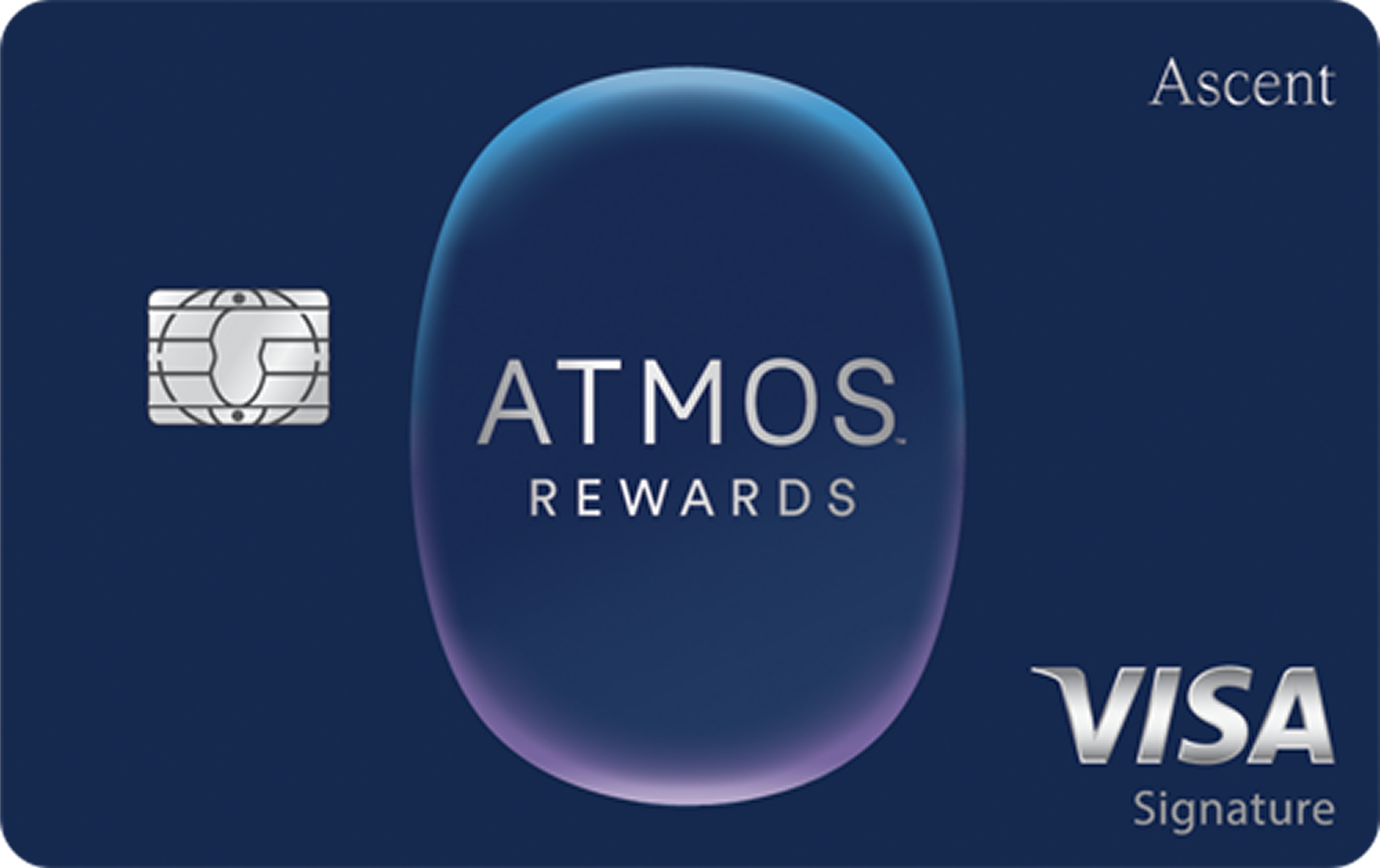
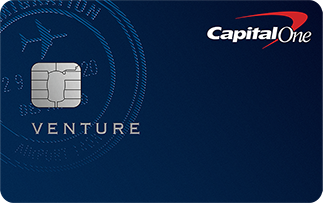
Ranked by SwitchWize's composite score. SwitchWize currently has no compensated product links.
Editorial review
What changed since the last update
Was this guide helpful?
Found an inaccurate, outdated, or missing claim? Report a correction. We verify reports against the relevant source before changing a guide or ranking.
