- For revolvers, ongoing APR should decide the winner, not the rewards rate printed on the card.
- A single missed payment can trigger a penalty APR that costs more per month than any cash-back program earns back.
- Compare a low-APR card against a 0% balance transfer and a fixed-rate personal loan before assuming switching cards is the cheapest fix.
Quick answer
If you carry a balance most months, chase the lowest ongoing APR you can qualify for, not the richest rewards program. Rewards only pay you back on new spending; interest charges you on money you already owe, and at a typical ongoing card rate that cost adds up faster than almost any cash-back rate can offset. Start by comparing a low-APR bank or credit union card against a 0% balance-transfer offer and a fixed-rate personal loan, using your actual payoff timeline rather than the advertised teaser period. Credit unions are worth checking first: federal credit unions operate under an NCUA rate ceiling, so membership often unlocks a meaningfully lower ongoing APR than a comparable big-bank card. This guide is distinct from our best zero percent APR guide, which covers promotional 0% windows; this one is for anyone who expects to revolve a balance long after any promo would expire. The best low-interest credit cards 2026 prioritize sustainable APR over rewards, making them ideal for balance carriers.
Why ongoing APR outranks rewards here
Every rewards program is priced against the assumption that most cardholders pay in full. If you do not, the math flips: a 2% cash-back card that carries an ongoing APR in the low-to-mid 20s can cost you far more in monthly interest than it pays back in rewards, even on the same balance. That is the entire premise of this article, and it is why we rank by ongoing APR first here, unlike our cash-back and rewards guides, which assume payment in full.
Decision table
- Best next move
- Compare ongoing APRs directly, ignore rewards rates
- Why
- Interest compounds monthly; a rewards rate only applies to new purchases
- Best next move
- Check its card APR before any bank offer
- Why
- NCUA-capped rates often undercut national issuers even without a promo
- Best next move
- Consider a 0% balance-transfer card instead
- Why
- The transfer fee is usually cheaper than months of ongoing interest
- Best next move
- Price a fixed-rate personal loan against the card's ongoing APR
- Why
- A loan avoids the "promo ends, rate resets high" trap entirely
- Best next move
- Fix that first before comparing any new card
- Why
- A penalty APR can erase the benefit of switching cards entirely
- Best next move
- Rewards rate matters more than APR
- Why
- This guide's ranking logic does not apply to you; see our cash-back guides
Worked example: rewards erased by interest
Say you carry $6,000 on a card at a 24% ongoing APR. That is roughly $120 in interest in a single month. Now say that same spending pattern, run through a 2% cash-back card instead, generates about $40 a month in rewards on $2,000 of monthly purchases. One month of interest ($120) erases three months of that card's rewards ($40 x 3). Carry the balance for a year and the interest alone can exceed the entire annual rewards total, even before annual fees.
Swap in your own balance and APR using the credit card interest calculator to see your specific erasure ratio.
The Interest Drag tool shows the same idea as a running dollar figure: how much of your card's value a carried balance quietly drags away over a full year, not just one month.
Choose this if, skip it if
Choose a low ongoing-APR card if:
- You expect to carry a balance for more than a few months at a time.
- You cannot realistically clear the balance inside a 0% transfer promo window.
- You qualify for a credit union card and are willing to join.
Choose a 0% balance-transfer card if:
- You have a firm payoff date inside the promotional period.
- The transfer fee, usually 3% to 5%, is smaller than the interest you'd otherwise pay.
- You will not add new charges to the transferred balance during the promo.
Skip cards entirely and look at a personal loan if:
- Your payoff timeline runs longer than any realistic promo window.
- You want a fixed payment and a fixed end date instead of a revolving balance.
- You've already missed payments and a penalty APR has kicked in on your current card.
Credit unions, penalty APR, and the fine print
Federal credit unions are subject to an NCUA interest-rate ceiling, which is a real structural reason their card APRs frequently sit below comparable bank cards, not just a marketing angle. The tradeoff is membership eligibility: you typically need to live, work, worship, or belong to an affiliated group within the credit union's field of membership, and some require a small share deposit to join.
Penalty APRs are the other side of this math. Under CARD Act rules, an issuer can raise your rate to a penalty APR, often in the high 20s, after a payment is 60 or more days late. On that existing balance, the CARD Act requires the issuer to restore your earlier rate once you make six on-time payments in a row, but a penalty rate on new purchases can last much longer. That single event can undo the benefit of choosing a low-APR card in the first place, so confirm your issuer's specific penalty terms and grace period rules before assuming the advertised ongoing APR is the number you'll actually pay.
Pay-in-full versus revolver verdict
If you pay your statement balance in full every month, this article's ranking logic does not apply to you: rewards rate, not APR, should drive your choice, and our Real Annual Value guide is the better starting point. If you carry a balance, the opposite is true. Rank ongoing APR first, use the 24.00% average as your baseline for how much a typical card actually costs to revolve, and treat any rewards rate as a secondary tiebreaker only after the interest math clears.
For a related decision, our balance transfer versus personal loan coverage and the minimum payment trap article both dig into what happens if the balance sticks around longer than planned.
How we ranked
We ranked these options by expected ongoing APR, realistic access (bank card versus credit union membership requirements), penalty-rate terms, and total interest cost over a representative payoff window, not by advertised teaser rates or rewards. A card with an appealing sign-up rate that reverts to a high ongoing APR ranked below a less flashy card with a genuinely lower everyday rate.
Compensation disclosure: SwitchWize may earn a referral fee if you apply through a partner link on this page. That relationship does not change the ranking above; cards are ordered by ongoing cost to a revolving cardholder, not by payout.
Sources
- CFPB: know before you owe on credit cards explains how APR, penalty rates, and fees combine to determine real card cost.
- NCUA interest rate ceiling guidance covers the federal credit union rate cap referenced above.
- Federal Reserve consumer credit card resources explain how ongoing APR, grace periods, and penalty pricing work under current rules.
Terms referenced on this page were verified on July 10, 2026. Offers, fees, APRs, rewards, eligibility, and program rules can change. This article is educational information, not individualized financial advice.
What to Do Now
Frequently Asked Questions
Is a low-interest card the same thing as a 0% APR card?
Why would a credit union card beat a big bank's low-APR card?
How much does a penalty APR actually cost?
Should I transfer my balance or just switch to a lower-APR card?
What credit score do I need for the lowest APR offers?
The 5-minute money briefing
One email per week. New rates, fed moves, and what to actually do about them.
No spam. Unsubscribe anytime.
Act on this: today's top cards


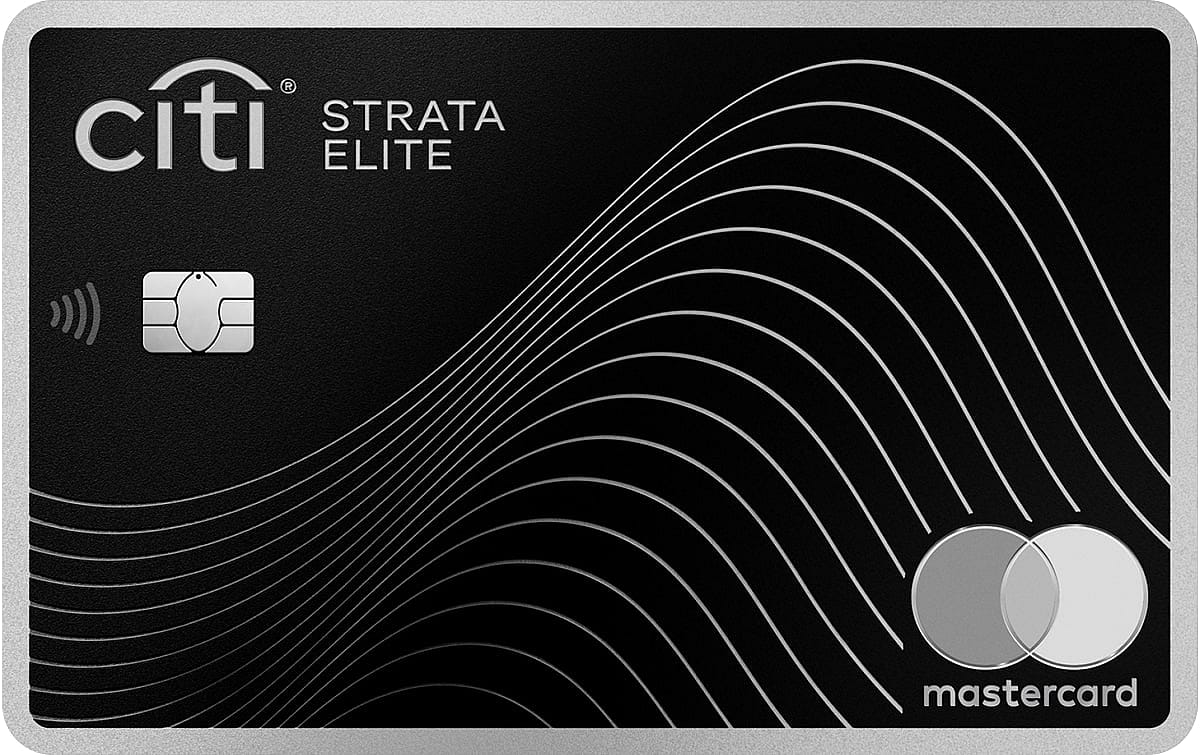
Ranked by SwitchWize's composite score. SwitchWize currently has no compensated product links.
Editorial review
What changed since the last update
Was this guide helpful?
Found an inaccurate, outdated, or missing claim? Report a correction. We verify reports against the relevant source before changing a guide or ranking.
