How to choose
What to weigh before you pick
It usually comes down to 3 things. Compare your options on each before deciding.
What you earn on the spending you actually do.
The fee weighed against the rewards and credits you will use.
The intro offer and the spend required to earn it.
- A co-branded airline card pays off through guaranteed perks like free checked bags, not through its mileage value alone.
- A flexible travel card only outperforms when you can actually book a real transfer redemption, not on a theoretical top rate.
- The right choice depends on whether your travel is loyal to one airline or spread across several.
Quick answer
The choice comes down to how loyal your actual travel is to one airline. A co-branded airline card earns its keep through guaranteed, no-skill-required perks: free checked bags, priority boarding, and sometimes a companion fare, all tied to one specific carrier and its alliance partners. A flexible travel card earns transferable points that can move to several airline and hotel programs, which matters if your routes change or you fly whichever carrier has the best fare. For two travelers flying the same airline four times a year, the bag perk alone is worth roughly $560, a number that does not depend on redeeming points well. Flexible points can beat that, but only with real work finding award space. In the airline card vs flexible travel card debate, the winner ultimately depends on whether you value guaranteed perks or adaptability.
Decision table
- Best next move
- Choose the co-branded airline card
- Why
- Guaranteed bag and boarding perks apply on every trip without any redemption effort
- Best next move
- Choose the flexible travel card
- Why
- Transferable points work with several partners instead of being locked to one carrier
- Best next move
- The airline card's core perks may not be worth its fee
- Why
- Its value is concentrated in perks you would not use
- Best next move
- The flexible card's optimized value becomes reachable
- Why
- The top end of the range requires effort most travelers will not put in
- Best next move
- A plain cash-back card may beat either travel card
- Why
- Neither card's perks or points value clears its own annual fee at that frequency
Worked example: two travelers, four trips a year
Two travelers each check one bag outbound and one returning, four round trips a year: 2 bags x 2 flights x 4 trips = 16 bag fees. At roughly $35 per bag, the co-branded card's free-bag perk is worth about $560 a year, guaranteed regardless of how well anyone redeems miles.
The same spending on a flexible travel card earns roughly 50,000 transferable points a year. Cashed out at a conservative 1.0 cent each, that is $500. Transferred to a partner airline for a realistic coach redemption most travelers can actually book, at 1.3 cents each, it is about $650. In an optimized, harder-to-find premium redemption at 1.9 cents each, it reaches roughly $950.
The airline card's $560 is close to guaranteed. The flexible card's range only reaches past that if you can find and book the achievable-to-optimized redemption, which takes more effort than checking a bag. Test your own numbers with the travel-rewards setup calculator, and run a Money Map scan if you are unsure whether a travel card is even the highest-value thing in your budget right now.
Choose this if, skip it if
Choose the co-branded airline card if:
-
You fly the same airline often enough that the bag and boarding perks clear the annual fee on their own.
-
You would rather have a guaranteed, no-effort benefit than chase a variable points redemption.
Choose the flexible travel card if:
-
Your trips are not loyal to one carrier, so a locked-in airline perk would go unused half the time.
-
You are willing to research award availability to reach the higher end of the points range.
Skip both if:
- You fly rarely enough that neither the perks nor the points value clears the card's annual fee.
Fees, exclusions, and approval context
Airline co-brand perks typically require booking and paying with that specific card, and can lose value if your route or airline changes, since the perk does not travel with you to a different carrier. Flexible-card transfer partners and transfer ratios can change without much notice, so confirm current terms before counting on a specific redemption. Both card types generally target good to excellent credit, and premium versions of either require a stronger profile than a basic co-branded card.
For the broader math behind these numbers, read the Real Annual Value guide and how to choose a credit card. For the hotel-side version of this same tradeoff, see hotel card vs. flexible travel card.
Pay-in-full versus revolver verdict
For someone who pays the statement balance in full, this comparison is entirely about matching the card to real travel habits. For a revolver, neither card's perks or points value should drive the decision: carrying a balance at the average card APR of 24.00% costs more per month than most travelers gain from either option, so use the credit card interest calculator first.
How we ranked
We compared these two card types by guaranteed perk value against actual travel frequency, the realistic redemption range for flexible points rather than a single headline rate, and how much each option depends on effort or luck to reach its best-case value. We did not rank by advertised sign-up bonus alone.
Compensation disclosure: SwitchWize may earn a referral fee when you apply through partner links. Organic rankings are based on fit and value.
Sources
- CFPB credit card rewards guidance covers how rewards programs and fees generally work.
- DOT baggage fee guidance explains checked-bag fee rules and airline consumer protections.
- Federal Reserve consumer credit resources explain card agreements and account terms more broadly.
Terms referenced on this page were verified on July 10, 2026. Offers, fees, APRs, rewards, eligibility, and program rules can change. This article is educational information, not individualized financial advice.
Frequently Asked Questions
Is an airline card worth it if I only fly a couple times a year?
How much is a free checked bag actually worth?
Do flexible points ever beat a co-branded card's guaranteed perks?
Can I hold both an airline card and a flexible travel card?
What credit score do I need for either type?
The 5-minute money briefing
One email per week. New rates, fed moves, and what to actually do about them.
No spam. Unsubscribe anytime.
Act on this: today's top cards


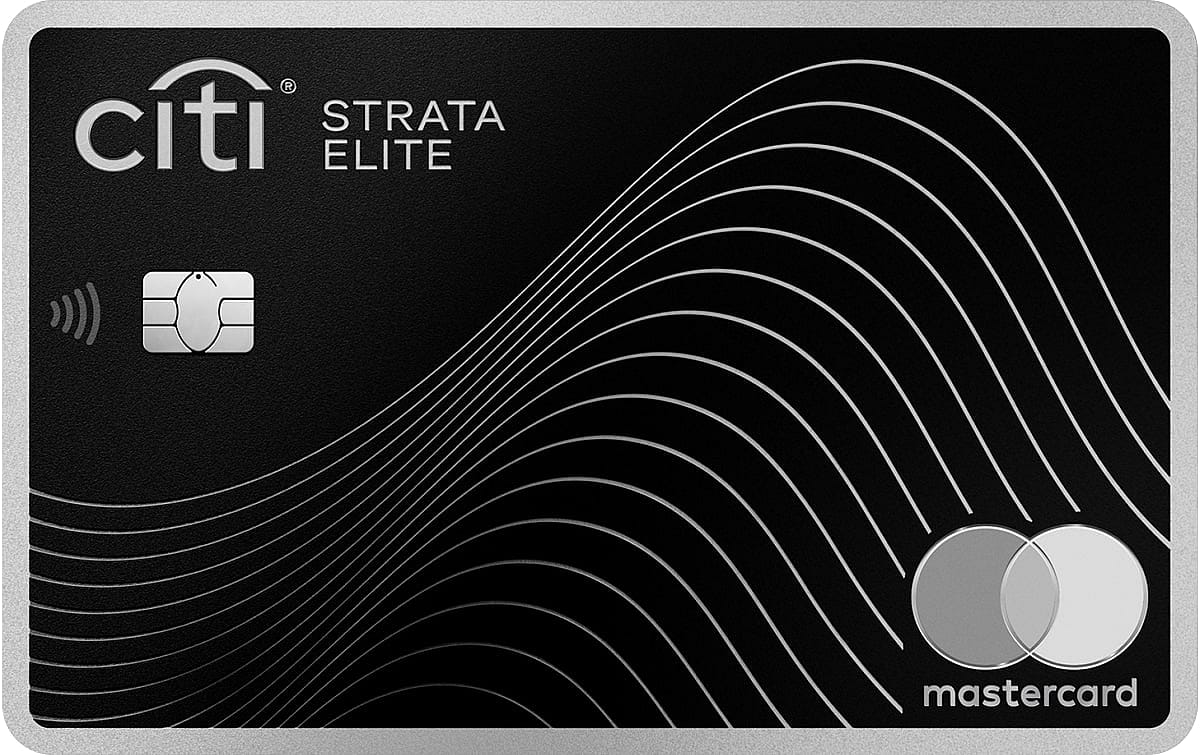
Ranked by SwitchWize's composite score. SwitchWize currently has no compensated product links.
Editorial review
What changed since the last update
Was this guide helpful?
Found an inaccurate, outdated, or missing claim? Report a correction. We verify reports against the relevant source before changing a guide or ranking.
