How to choose
What to weigh before you pick
It usually comes down to 3 things. Compare your options on each before deciding.
What you earn on the spending you actually do.
The fee weighed against the rewards and credits you will use.
The intro offer and the spend required to earn it.
- A portal price is fixed the moment you book it; a transfer partner award can beat that price or miss it badly.
- On a $520 flight, a confirmed 25,000-mile saver award is worth about 2.04 cents per point, nearly double a 1.25-cent portal rate.
- The same flight at a 60,000-mile standard award is worth roughly 0.85 cents per point, worse than just staying in the portal.
Quick answer
Book the flight in the issuer portal first, and treat that price as the number the transfer partner has to beat. On a $520 round-trip flight priced at roughly 1.25 cents per point through the portal, you would need about 41,600 points, and the seat is guaranteed the second you confirm it. Transferring those same 41,600 points to the airline only wins if a saver-level award is actually open on those dates. At a 25,000-mile saver price plus about $11 in taxes, the points are suddenly worth close to 2.04 cents each. But if only the standard bucket remains at 60,000 miles for the identical seat, the value drops to about 0.85 cents, worse than the portal. Confirm the award first. Transfers are usually one-way. This classic travel portal vs transfer partner dilemma shows why confirming your portal price first protects you from worse award rates.
Decision table
- Best next move
- Book the portal price now
- Why
- A guaranteed $520 flight at 1.25 cents beats an unconfirmed transfer every time.
- Best next move
- Transfer only what the award needs, then book it
- Why
- 25,000 miles at saver pricing runs about 2.04 cents each, well above the portal rate.
- Best next move
- Stay in the portal
- Why
- A 60,000-mile standard award prices out near 0.85 cents each, below the 1.25-cent portal rate.
- Best next move
- Run the math on the specific cabin and dates, not a marketing chart
- Why
- Business-class partner awards can swing value far higher or lower than a flat portal rate.
- Best next move
- Book the portal
- Why
- The added friction usually erases a marginal transfer advantage.
Worked example
Portal: 41,600 points at 1.25 cents, a fixed $520 the instant you book.
Confirmed saver transfer: 25,000 miles plus about $11 in taxes for the identical seat, worth roughly 2.04 cents per point, or about $509 of value from fewer than two-thirds as many points.
Standard-bucket transfer: 60,000 miles plus about $11 in taxes for the same seat, worth roughly 0.85 cents per point, meaning you paid more points for less value than the portal offered outright.
The gap between the saver and standard scenarios is the entire argument for checking availability first. Nothing about the portal price changes based on which award bucket happens to be open, so the portal is your stable comparison point every time.
Choose this if, skip it if
Choose the issuer portal if:
-
You need to book now and haven't confirmed partner award space for your dates.
-
The route is short-haul or economy, where portal pricing and saver awards tend to sit close together anyway.
-
You want a booking you can change under the card's own policy rather than an airline's stricter award rules.
Choose the transfer partner if:
-
You already found a specific saver-level award on the partner's own search tool for these exact dates.
-
The point cost you found beats the portal price by a wide enough margin to justify losing flexibility.
-
You accept that the points cannot come back to your flexible program if the award later disappears.
Skip both and take the statement credit if:
-
You have no fixed travel plans and don't want points exposed to a program devaluation while you wait.
-
The flight or room you actually want is cheap enough in cash that neither redemption path clears real value.
If you carry a balance
If you pay your statement in full, the math above stands: book the guaranteed portal price unless you've already confirmed a stronger partner award. If you carry a balance, the cents-per-point comparison stops mattering. The average card APR runs around 24.00%, and financing even a $520 flight at that rate for a few months in interest can cost more than the entire gap between the portal and transfer paths. Clear revolving debt before optimizing half a cent per point, and use Money Map to see whether that debt is the bigger lever in your finances than any travel redemption.
Approval context and program rules
Cards with strong portal rates and broad transfer partner networks, the Chase Sapphire and Amex Membership Rewards families among them, typically target good to excellent credit, generally the high 600s FICO range and up, though issuers weigh income and existing exposure as well.
Portal bookings sometimes cap the boosted cents-per-point rate to certain cabins or fare types, and some cards revert to a lower flat rate for premium cabins booked through the portal. Partner transfers usually move at a fixed ratio, often 1:1, occasionally richer during a promotion, but are typically irreversible once submitted, can take anywhere from instant to several days to post, and the partner program is free to reprice or pull the exact award before your points land. Taxes and carrier surcharges on award tickets are paid separately, in cash, regardless of which path you choose.
This decision compounds with the card itself: an airline co-branded card locks you into one award chart, while a flexible transferable-points card keeps this portal-or-transfer choice open every time you book. If an issuer is currently running a bonus on transfers to this same partner, read whether a transfer bonus is worth acting on before you move anything.
Sources
- CFPB guidance on credit card rewards covers how rewards programs, fees, and redemption terms affect real card value.
- Chase Ultimate Rewards transfer partners lists current airline and hotel transfer ratios and processing times.
- United MileagePlus award travel shows how saver versus standard award pricing works on one major partner program.
Terms referenced on this page were verified on July 10, 2026. Offers, portal rates, transfer ratios, and award charts change without notice. This article is educational information, not individualized financial advice.
How we ranked
We priced this comparison using a single confirmable flight on both sides of the decision, not the best-case example either program advertises. SwitchWize may earn a referral fee if you apply for a card through a link on this page. That relationship never decides which redemption path we show as the winner; the bookable price does.
Frequently Asked Questions
Is the airline or hotel transfer partner always worth more than the portal?
Can I move points back to my card account if the transfer partner award disappears?
Do portal bookings earn elite qualifying credit with the airline?
What credit profile do these portal and transfer benefits usually require?
Is 1.25 cents per point a guaranteed portal rate?
The 5-minute money briefing
One email per week. New rates, fed moves, and what to actually do about them.
No spam. Unsubscribe anytime.
Act on this: today's top cards


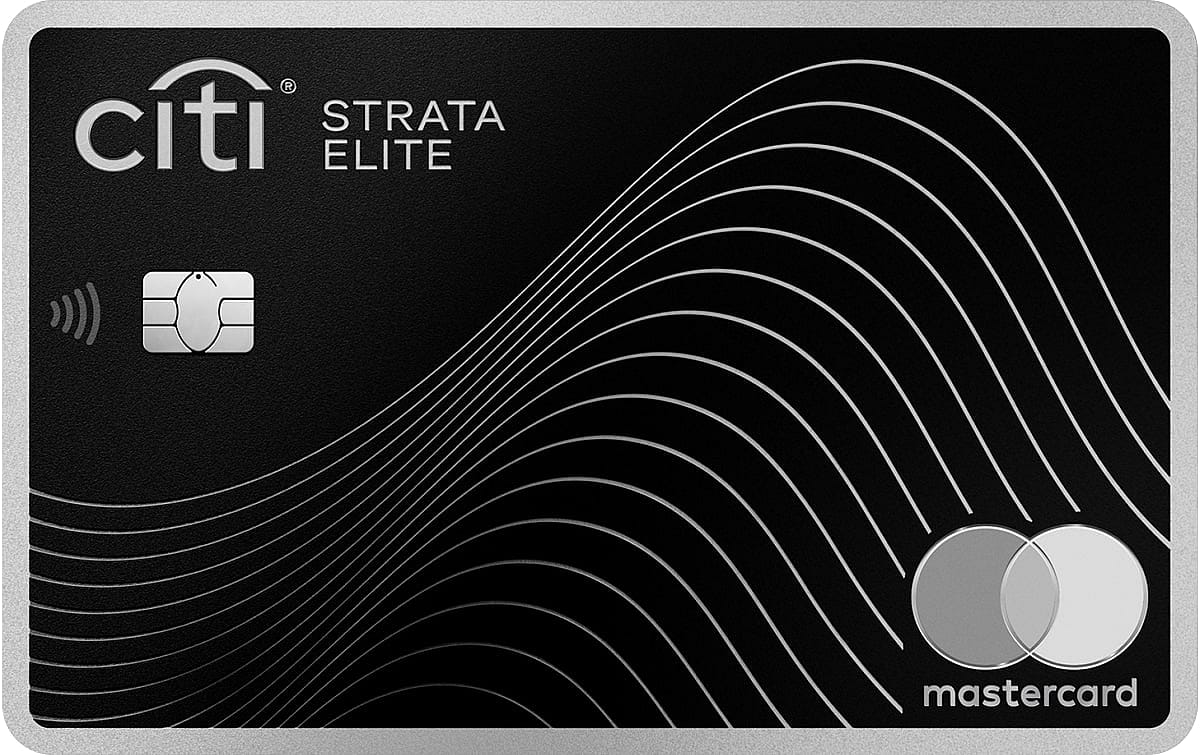
Ranked by SwitchWize's composite score. SwitchWize currently has no compensated product links.
Editorial review
What changed since the last update
Was this guide helpful?
Found an inaccurate, outdated, or missing claim? Report a correction. We verify reports against the relevant source before changing a guide or ranking.
