- No major points program has one correct value; price the conservative floor, the achievable redemption, and the optimized transfer separately.
- 80,000 points typically span roughly $800 at a 1.0-cent cash floor to $1,800 at a 2.25-cent optimized transfer award.
- Amex's cash floor runs weaker than Chase's or Citi's, but its optimized transfer ceiling can run higher than either.
Quick answer
Credit card points are worth a range, not a number. Take 80,000 points on a mid-tier travel card. Cashed out at a conservative 1.0 cent each, that's a guaranteed $800. Booked through the issuer's own travel portal at an achievable 1.5 cents, the same points are worth about $1,200. Transferred to a hotel partner for a confirmed premium-cabin or premium-suite award at an optimized 2.25 cents, they're worth about $1,800. The pattern holds across Chase Ultimate Rewards, Amex Membership Rewards, and Citi ThankYou Points, though the specific floor and ceiling shift by program, with Amex's cash floor notably weaker and its optimized ceiling notably stronger than Chase's or Citi's. Understanding how much are credit card points actually worth requires recognizing this range as the full picture, not seeking a single definitive number.
Decision table
- Best next move
- Price the conservative cash-out figure and stop there
- Why
- It's the only number of the three that's actually guaranteed.
- Best next move
- Use the achievable figure for your planning
- Why
- It reflects an ordinary redemption most cardholders can book without research.
- Best next move
- Use the optimized figure, but only for that confirmed award
- Why
- The optimized number is real only when the award is actually bookable.
- Best next move
- Compare each program's own three-number range, not a single blended average
- Why
- The programs differ enough that one universal figure hides real differences.
- Best next move
- Treat it as the achievable number at best, and verify it
- Why
- A single figure usually can't tell you whether it's the floor or the ceiling.
Worked example
Chase Ultimate Rewards: about $800 cashed out at 1.0 cent, about $1,200 to $1,320 through the Chase Travel portal at 1.5 to 1.65 cents on a premium card, and $1,440 or more transferred to a strong partner at 1.8-plus cents.
Amex Membership Rewards: about $480 through a weak statement-credit floor at 0.6 cents, about $1,040 to $1,200 on a mainstream airline transfer at 1.3 to 1.5 cents, and $2,400 to $4,000 or more on a premium-cabin sweet-spot transfer at 3.0 to 5.0 cents.
Citi ThankYou Points: about $800 cashed out at 1.0 cent, about $1,040 on a domestic saver transfer at 1.3 cents, and $1,600 to $2,000 or more on a stronger transfer partner at 2.0 to 2.5 cents.
The Amex row is the clearest illustration of why a single average number fails. Its floor is the weakest of the three programs and its ceiling is the strongest, sometimes in the same guide.
Choose this if, skip it if
Rely on the conservative figure if:
-
You want a number you can plan around with zero research or availability risk.
-
Your travel plans this year are uncertain or nonexistent.
Rely on the achievable figure if:
-
You travel with some regularity and are comfortable booking through the issuer's own portal.
-
You haven't yet learned a specific transfer-partner program well enough to search it confidently.
Only use the optimized figure if:
-
You've already confirmed the specific award exists, as described in finding award availability before transferring points.
-
You're comparing whether a transfer beats a portal booking for this exact trip, covered in travel portal versus transfer partner.
If you carry a balance
If you pay your statement in full, use whichever of the three figures matches how you'll actually redeem, as laid out above. If you carry a balance, none of these figures matter until the balance is gone. The average card APR runs near 24.00%, and that ongoing interest cost outpaces the entire spread between the conservative and optimized numbers for most balances. Use Money Map to see whether debt payoff outranks points optimization in your specific numbers right now.
Approval context and program rules
Premium cards across the Chase, Amex, and Citi transferable-points families generally target good to excellent credit, roughly high 600s FICO and up, along with income and existing exposure considerations from each issuer. Entry-level cards in the same families often lack the portal-rate boost or full transfer-partner list that unlocks the achievable and optimized figures shown here.
Each program can devalue its transfer partners, add blackout dates, change transfer ratios, or add expiration policies without much notice. Cash-out and statement-credit options sometimes require enrollment or a minimum redemption amount. Transfer-partner redemptions are typically final once processed and depend entirely on the availability covered in the awards guide above.
If cash back would simplify this decision entirely, compare it directly in cash back versus travel points redemption value. If an issuer is currently running a bonus on transfers, read whether a transfer bonus is worth acting on before treating the optimized figure as guaranteed.
Sources
- CFPB rewards program research covers how major rewards programs structure redemption value.
- Chase Ultimate Rewards transfer partners lists current transfer ratios and portal terms.
- Federal Reserve consumer credit resources explain how rewards and redemption terms are disclosed to cardholders.
Terms referenced on this page were verified on July 10, 2026. Cash-out rates, portal pricing, and transfer-partner values change by program and by card tier. This article is educational information, not individualized financial advice.
How we ranked
We priced each program at three separate redemption levels instead of collapsing them into one blended average, since a single number would have hidden exactly the gap this guide exists to explain. SwitchWize may earn a referral fee if you apply for a card through this page, and that has no bearing on the conservative, achievable, and optimized figures shown for any program here.
Frequently Asked Questions
Is there one correct cents-per-point value for my card?
Why is the Amex Membership Rewards cash floor so much worse than the others?
Do these ranges apply to every card in each program?
What credit tier do these transferable-points cards usually require?
Are the 1.0, 1.5, and 2.25 cent figures in the worked example exact?
The 5-minute money briefing
One email per week. New rates, fed moves, and what to actually do about them.
No spam. Unsubscribe anytime.
Act on this: today's top cards


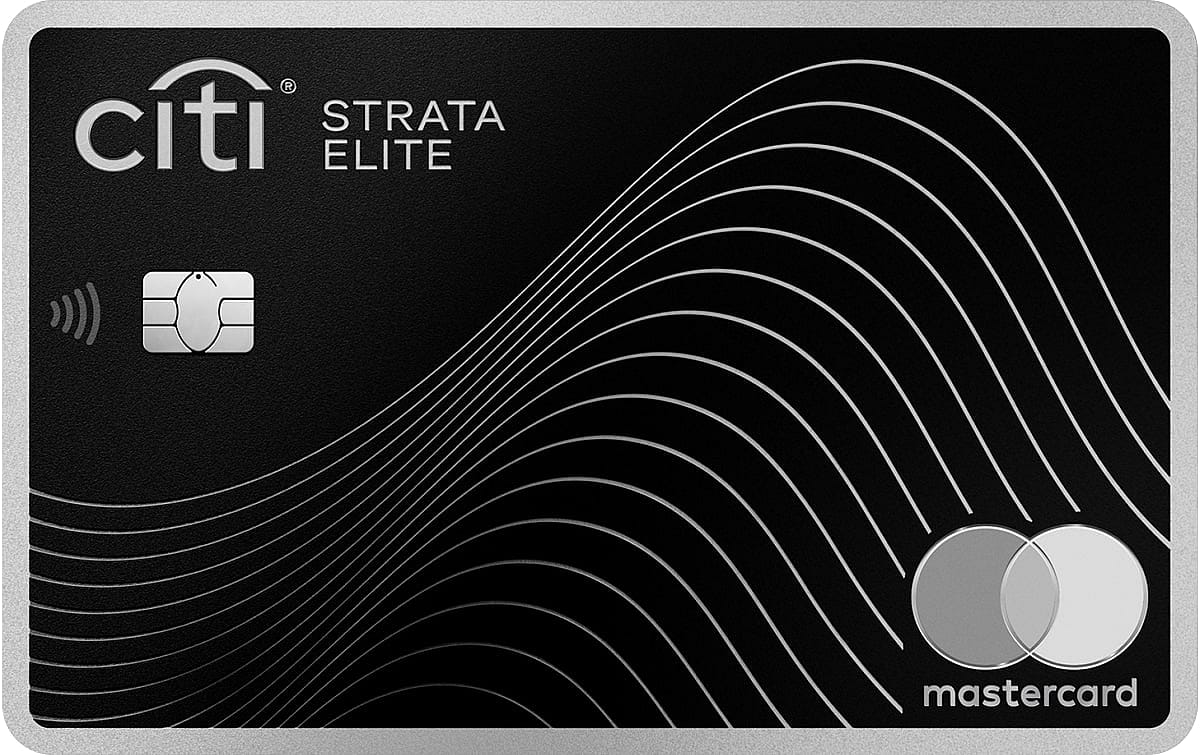
Ranked by SwitchWize's composite score. SwitchWize currently has no compensated product links.
Editorial review
What changed since the last update
Was this guide helpful?
Found an inaccurate, outdated, or missing claim? Report a correction. We verify reports against the relevant source before changing a guide or ranking.
