How to choose
What to weigh before you pick
It usually comes down to 3 things. Compare your options on each before deciding.
What you earn on the spending you actually do.
The fee weighed against the rewards and credits you will use.
The intro offer and the spend required to earn it.
- A hotel card's real value is the free-night certificate net of its fee, plus automatic elite perks you would use anyway.
- Resort fees and certificate caps can quietly shrink that value below what the headline room rate suggests.
- Flexible points make more sense once your stays are spread across more than one hotel brand.
Quick answer
A co-branded hotel card is worth carrying when you actually return to one chain often enough to use its free-night certificate and lean on automatic elite perks like late checkout. A certificate capped around 35,000 to 50,000 points, redeemed at a property averaging roughly $220 a night, nets about $125 of value once you subtract a typical $95 annual fee. A flexible travel card skips the brand lock-in: its points transfer to multiple hotel and airline partners, which matters more once your travel is not loyal to one chain. Watch for resort fees, which a free-night certificate usually does not cover, since they can eat into the net value the card's marketing implies. Ultimately, the hotel card vs flexible travel card decision hinges on whether you prioritize loyalty rewards or diversified redemption options.
Decision table
- Best next move
- Choose the co-branded hotel card
- Why
- The free-night certificate alone can clear the annual fee, before counting elite perks
- Best next move
- Choose the flexible travel card
- Why
- Transferable points work across chains instead of being locked to one
- Best next move
- Recheck the certificate's net value after those fees
- Why
- A $220 room can still cost real money out of pocket despite a "free" night
- Best next move
- Weight that toward the co-branded card
- Why
- Flexible cards do not carry automatic status the way a co-brand does
- Best next move
- The flexible card's optimized value becomes reachable
- Why
- Reaching the top of the range takes more effort than redeeming a certificate
Worked example: certificate versus transferable points
A hotel co-branded card's annual free-night certificate covers a room averaging $300. Subtract a $95 annual fee and the net value comes to $205, before factoring in any resort fee the certificate does not cover.
The same annual spending on a flexible travel card earns roughly 60,000 transferable points. At a conservative 0.8 cents each, that is $480. Transferred to a hotel partner for a realistic weekend redemption at 1.1 cents each, it comes to about $660. In an optimized, harder-to-book luxury-property redemption at 1.6 cents each, it can reach roughly $960.
The certificate's $205 is close to guaranteed once you book it. The flexible card only beats that if you reach the achievable-to-optimized end of its range, which depends on award availability you cannot count on in advance. Model your own stay pattern with the travel-rewards setup calculator, and run a Money Map scan if a hotel card is not clearly your best next financial move.
Choose this if, skip it if
Choose the co-branded hotel card if:
-
You return to that chain often enough that the certificate and elite perks clear the annual fee on their own.
-
Resort fees at the properties you'd actually book do not wipe out the certificate's value.
Choose the flexible travel card if:
-
Your stays are spread across multiple brands, so a locked-in certificate would sit unused half the time.
-
You are willing to research partner transfer options to reach the higher end of the points range.
Skip both if:
- You stay at hotels rarely enough that neither the certificate nor the points value clears the annual fee.
Fees, exclusions, and approval context
Free-night certificates usually cap at a specific point value per property and can require booking directly with the card. Resort fees, destination fees, and blackout-adjacent restrictions at some properties are common exclusions worth checking before you count on the certificate's advertised value. Flexible-card transfer partners and ratios can change without much notice. Both card categories generally require good to excellent credit, with premium versions of either needing a stronger profile.
For the broader math behind these numbers, read the Real Annual Value guide and how to choose a credit card. For the airline-side version of this same tradeoff, see airline card vs. flexible travel card.
Pay-in-full versus revolver verdict
For someone who pays the statement balance in full, this decision comes down to matching the card to real stay patterns and confirming resort fees do not erase the certificate's value. For a revolver, skip this comparison for now: carrying a balance at the average card APR of 24.00% outweighs a free-night certificate or points redemption most months, so run the credit card interest calculator first.
How we ranked
We compared these two card types by net certificate value after fees and resort surcharges, the realistic transfer range for flexible points rather than one headline rate, and how much automatic elite perks are worth to a typical low-to-moderate frequency traveler. We did not rank by advertised certificate face value alone.
Compensation disclosure: SwitchWize may earn a referral fee when you apply through partner links. Organic rankings are based on fit and value.
Sources
- CFPB credit card rewards guidance explains how card rewards, fees, and consumer protections typically interact.
- Marriott Bonvoy program terms describe current certificate caps and elite-tier rules as one example of a major hotel program.
- Federal Reserve consumer credit resources explain card agreements and account terms more broadly.
Terms referenced on this page were verified on July 10, 2026. Offers, fees, APRs, rewards, eligibility, and program rules can change. This article is educational information, not individualized financial advice.
Frequently Asked Questions
Is a free annual-night certificate actually worth its cap?
Does automatic elite status matter if I only stay a few nights a year?
When does a flexible travel card beat a hotel co-brand?
Can resort fees eat into the free-night certificate's value?
What credit tier do these cards generally require?
The 5-minute money briefing
One email per week. New rates, fed moves, and what to actually do about them.
No spam. Unsubscribe anytime.
Act on this: today's top cards


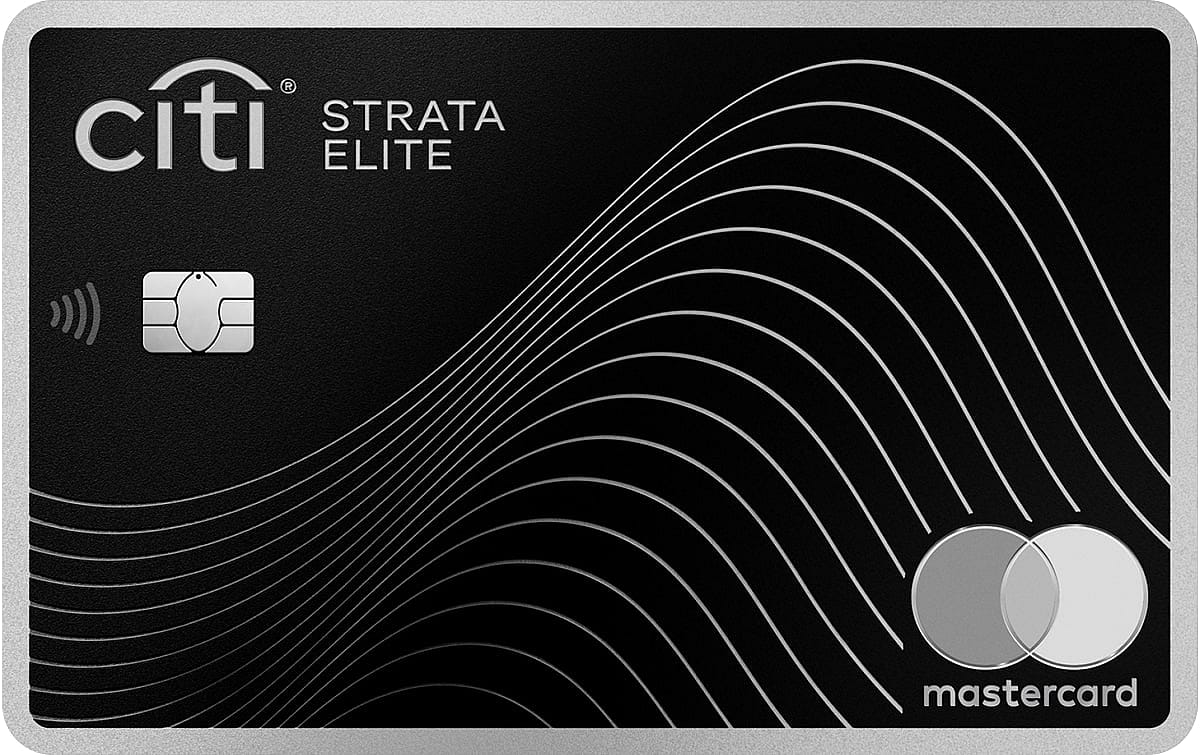
Ranked by SwitchWize's composite score. SwitchWize currently has no compensated product links.
Editorial review
What changed since the last update
Was this guide helpful?
Found an inaccurate, outdated, or missing claim? Report a correction. We verify reports against the relevant source before changing a guide or ranking.
