- A 2026 Schroders survey found 33% of workplace retirement plan participants carry more credit card debt than retirement savings, roughly a third of everyone actively saving in a 401(k), 403(b), or 457 plan.
- Total US credit card debt hit $1.26 trillion in the second quarter of 2026, up $21 billion from Q1 and $54 billion from a year earlier, according to the Federal Reserve Bank of New York.
- The Fed barely moves what you actually pay. Shopping the card itself, through a 0% balance transfer or a structured payoff plan, closes the gap far faster than waiting for a rate cut.
A 2026 survey from Schroders puts a hard number on something advisors have been seeing in their offices for years: a third of Americans currently participating in a workplace retirement plan, a 401(k), 403(b), or 457, say their credit card debt is bigger than what they've saved for retirement. Schroders surveyed 1,500 US investors nationwide, ages 30 to 79 (including 382 already retired), and found 33% of plan participants in that gap. This troubling trend of retirees credit card debt exceeding retirement savings underscores the need for immediate financial intervention.
That is not a small-balance problem. Total US credit card debt hit $1.26 trillion in the second quarter of 2026, according to the Federal Reserve Bank of New York, up $21 billion from the first quarter and $54 billion from a year earlier. Since the Fed started tracking the figure in 1999, when it stood at $478 billion, credit card debt has grown 164%, well ahead of the roughly 100% rise in consumer prices over the same period.
Why this hits harder the closer you are to retirement
A working household carrying a credit card balance has a lever a retiree usually does not: a paycheck that can grow. Retirement income is largely fixed, so a balance that would be an inconvenience at 40 can become a structural drag at 68, especially once required minimum distributions, Medicare premiums, and healthcare costs are already claiming a share of monthly income.
It also is not only a lower-income problem. High earners carry balances too; a comfortable income during working years does not guarantee an organized balance sheet in retirement. The more consistent risk factor is a real disruption, a job loss before retirement, a spouse's illness, an uninsured medical bill, that gets absorbed onto a card and never fully paid back down.
The most concerning related finding in the Schroders data: paying off credit card or other debt was the single most common reason survey respondents gave for taking a loan against their workplace retirement account, cited by 36% of those who'd taken one. That trades a high-interest problem for a smaller nest egg working for you in retirement, and for anyone who withdraws rather than borrows before 59 and a half, it can also trigger early-withdrawal penalties on top.
The Fed is not going to fix this for you
It's tempting to wait for the Fed to cut rates and assume credit card APRs will follow. Right now that wait points the wrong way: the Fed raised rates a quarter point in September 2026, its first hike since 2023, and most card APRs rise with the prime rate. Even when cuts do come, card APRs barely follow. The average credit card APR sits at 24.00% today, while the fed funds rate is at 3.75% to 4.00%. The gap between those two numbers is your card issuer's risk margin, and the Fed does not control it. Our deep dive on credit card debt and Fed rates walks through the math, but the short version: even an aggressive Fed cut saves a few dollars a month on a five-figure balance. It is not a debt-payoff strategy.
What does move the number is the balance itself, and specifically, moving it off a card charging 24.00% and onto something that charges close to nothing for a while.
What actually closes the gap
A 0% balance transfer, if the math fits. Moving a balance to a card with a 0% introductory APR pauses interest entirely for the promotional window, so every payment goes to principal. It works best for a balance you can realistically clear before the promo ends, and it comes with a transfer fee, typically 3-5% of the balance moved, that is worth pricing in upfront. Current offers, ranked by promo length:
We break down exactly what to check before applying, especially for anyone on a fixed retirement income, in our guide to balance transfer cards for retirees.
The avalanche method, for balances too large for one transfer. If the balance is bigger than any single card's credit limit will absorb, pay minimums on everything and direct every extra dollar at the highest-APR card first. Our debt payoff calculator will show the real payoff date at today's rates.
Nonprofit credit counseling, before a retirement account. Groups like the National Foundation for Credit Counseling can negotiate hardship programs that cut APRs to single digits and keep creditors at bay, often a better first step than tapping a 401(k) or IRA.
Run your full picture, cards included, through Money Map to see where the biggest gap actually sits.
Methodology
Debt and demographic figures are drawn from the Schroders 2026 US Retirement Survey (1,500 US investors nationwide, ages 30-79, including 382 already retired, fielded March 20 to April 15, 2026) and the Federal Reserve Bank of New York's household debt and credit data. The 33% and 36% figures both describe workplace retirement plan participants as a whole, not a retiree-specific or age-segmented breakdown; Schroders' published release does not report those figures split by age group. SwitchWize tracks credit card and balance-transfer APRs daily from issuer disclosures; product rankings on our comparison tables are based on rate, fees, and eligibility as described on our methodology page.
Sources
- Schroders 2026 US Retirement Survey
- Federal Reserve Bank of New York: Household Debt and Credit Report
- Bureau of Labor Statistics: Consumer Price Index
This is educational information, not personalized financial advice.
Frequently Asked Questions
How many people with a 401(k) actually carry more credit card debt than savings?
Will waiting for the Fed to cut rates help pay down the debt faster?
Is it a bad idea to borrow against a 401(k) or IRA to pay off credit cards?
What should I do after reading A Third of 401(k) Savers Now Owe More on Credit Cards Than They've Saved. Here's What Waiting Costs.?
The 5-minute money briefing
One email per week. New rates, fed moves, and what to actually do about them.
No spam. Unsubscribe anytime.
Act on this: today's top cards


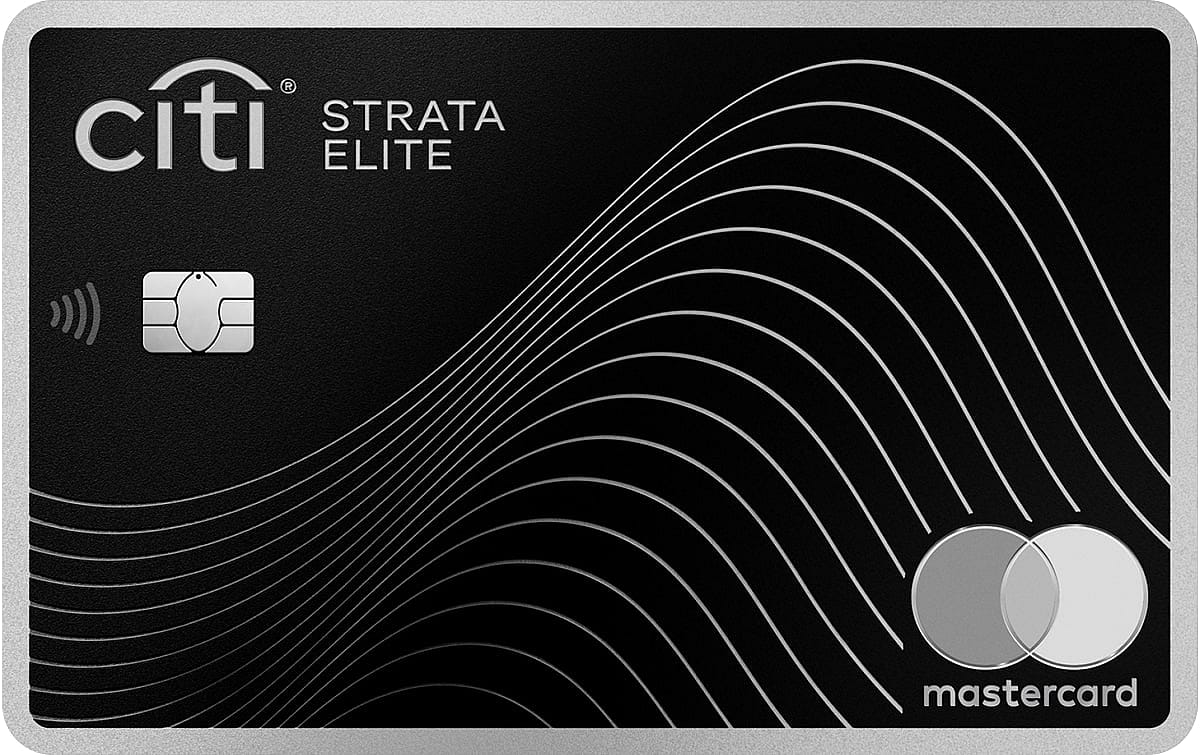
Ranked by SwitchWize's composite score. SwitchWize currently has no compensated product links.
Editorial review
What changed since the last update
Was this guide helpful?
Found an inaccurate, outdated, or missing claim? Report a correction. We verify reports against the relevant source before changing a guide or ranking.
