- A 0% balance transfer pauses interest for a promotional window, but on a fixed income the payoff plan has to fit the actual monthly budget, not the fastest theoretical payoff.
- Social Security and pension income qualify on a balance transfer application the same as a paycheck; the credit score and existing debt load matter more than the income source.
- If the balance is too large for one card's credit limit or the budget is too tight for extra payments, nonprofit credit counseling is usually the better next step, not a retirement account withdrawal.
A 0% balance transfer card can be one of the fastest ways to stop a credit card balance from growing, since every payment goes to principal instead of interest for the length of the promotional period. But the math that makes a transfer worth it looks different once the income funding the payoff is fixed rather than growing. Here's what to check before applying, if you're retired or approaching it. Understanding how balance transfer cards for retirees differ from traditional options is essential to making a financially sound decision.
Income verification isn't the obstacle people expect
Card issuers accept Social Security, pension, annuity, and retirement account distribution income on an application the same way they'd accept a salary. There's no employer to call and no paystub required, just documentation of the income itself. What actually determines approval and credit limit is your credit score and how much existing debt you're carrying relative to that income, the same underwriting that applies to any applicant.
What to check before you apply
The promo window against your realistic payment. A 21-month 0% offer sounds generous until you divide the balance by 21 and compare it to what actually fits the monthly budget. If the math doesn't clear the balance in time, either look for a longer promo window or plan for the remaining balance to revert to a standard APR, often above 20%, when the promotion ends.
The transfer fee. Typically 3-5% of the balance moved, charged upfront. On an $8,000 transfer, that's $240-$400 added to the balance on day one; it's a real cost, not a rounding error, and it should factor into whether the transfer actually saves money versus a structured payoff plan on the existing card.
The credit limit on the new card. Approval doesn't guarantee a limit large enough to absorb the full balance. A partial transfer still helps, but confirm the number before assuming the whole balance moves.
Whether the old card gets closed or stays open. Keeping an older account open, unused, generally helps a credit score by preserving available credit and account age. Closing it can do the opposite. Neither is automatic, so check with the issuer.
Current balance transfer offers, ranked by promotional length:
Broader picture on today's top-ranked cards overall: see our best balance transfer cards and best 0% APR cards roundups. If a transfer isn't the right fit, our balance transfer vs. personal loan comparison covers the fixed-payment alternative.
When a transfer isn't the right move
If the balance is larger than any realistic credit limit will absorb, or the monthly budget genuinely has no room for extra payments beyond minimums, a transfer just relocates the same problem with a fee attached. At that point, nonprofit credit counseling, through a group like the National Foundation for Credit Counseling, can often negotiate a hardship program that cuts the APR to single digits directly on the existing balance, without a new account or a promo deadline to track.
That's also the point to rule out, not reach for, borrowing against a retirement account. In a 2026 Schroders survey, 27% of retirees whose credit card debt already exceeded their savings had taken that step. It reduces the balance compounding for you in retirement, and for anyone under 59 and a half, early-withdrawal penalties can add another cost on top of the debt itself. Our retiree credit card debt report has the full picture on how common this trade-off has become.
Methodology
SwitchWize tracks balance transfer offers, including promotional length, transfer fee, and post-promo APR, directly from issuer disclosures, updated regularly. Demographic figures on retirement-account borrowing are drawn from a 2026 Schroders survey. This is educational information, not personalized financial advice.
Frequently Asked Questions
Can retirees qualify for a 0% balance transfer card using Social Security or pension income?
What's the biggest mistake retirees make with balance transfer cards?
Is a balance transfer better than borrowing from a 401(k) or IRA to pay off credit cards?
What should I do after reading 0% Balance Transfer Cards for Retirees: What to Check Before You Apply?
The 5-minute money briefing
One email per week. New rates, fed moves, and what to actually do about them.
No spam. Unsubscribe anytime.
Act on this: today's top cards


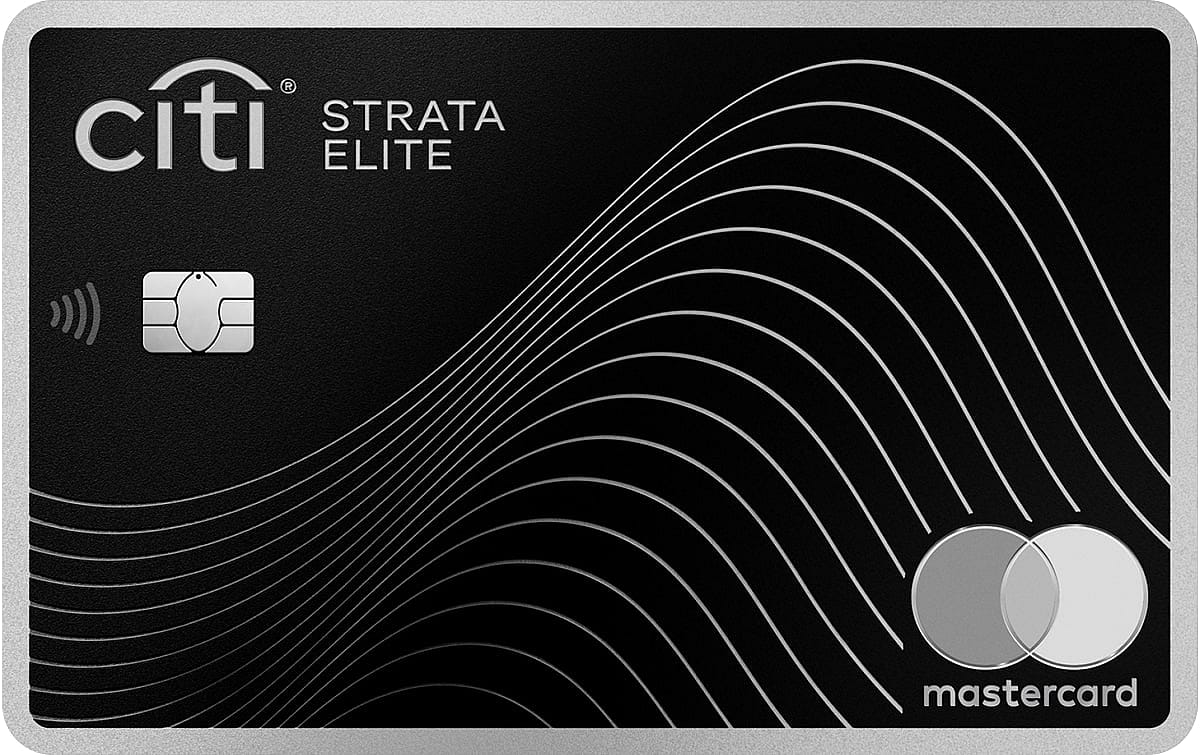
Ranked by SwitchWize's composite score. SwitchWize currently has no compensated product links.
Editorial review
What changed since the last update
Was this guide helpful?
Found an inaccurate, outdated, or missing claim? Report a correction. We verify reports against the relevant source before changing a guide or ranking.