Last updated: September 20, 2026 · Rates verified: September 10, 2026
Key takeaways
- SwitchWize's live card pool currently holds 28 cards; 6 of them have an explicitly captured $0 annual fee and are the only ones named here.
- 2 carry a captured rewards rate; the highest is 3.00%, on Chase Freedom Unlimited.
- With the fee at zero, the comparison is earning structure, welcome bonus, and purchase APR; match the earning structure to how your spending is actually distributed.
- A no-fee card is the account to keep open indefinitely; add a fee card only when the break-even math on your own spending clears the fee.
A no-annual-fee card is the one account most people should keep open for decades, because it costs nothing to hold and quietly does two jobs: it earns on everyday spending and it anchors the age of your credit history. SwitchWize's live card pool currently holds 28 cards; 6 of them have an explicitly captured $0 annual fee and are the only ones named here. 2 carry a captured rewards rate; the highest is 3.00%, on Chase Freedom Unlimited. 2 also carry a captured welcome-bonus value, the largest being $200. Every figure below is read from the issuer's own page and re-checked daily, and the observation date sits beside each row so you can see when it last agreed with the issuer.
Current no-annual-fee cards
The rows below come from the latest card observations in the SwitchWize rate table. The query was reviewed on September 10, 2026; the newest underlying observation was recorded on September 10, 2026. A card appears only if its observation captured an annual fee of exactly $0. Cards whose fee field was not captured are left out on purpose, because a missing value is not the same as a verified zero. Business, student, airline, and hotel cards are also left out here, since SwitchWize lists them under their own categories, the same rule the live comparison applies. 5 of the 6 carry a captured purchase APR range, which only matters if a balance is ever carried. The live no-annual-fee comparison applies a looser rule, showing any card without a recorded fee, and lets you filter and compare.
| Card | Annual fee | Rewards rate | Welcome bonus value | Purchase APR range | Observed |
|---|---|---|---|---|---|
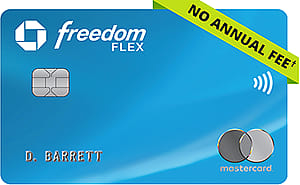
| Chase Freedom Unlimited | $0 | 3.00% | $200 | 18.24% to 27.74% | September 4, 2026 |
| Discover it Cash Back | $0 | 1.00% | Not captured | 17.49% to 26.49% | September 4, 2026 |
| Capital One VentureOne Rewards | $0 | Not captured | $200 | 18.49% to 28.49% | September 10, 2026 |
| Bank of America Travel Rewards | $0 | Not captured | Not captured | Not captured | September 10, 2026 |
| Capital One Savor Cash Rewards | $0 | Not captured | Not captured | 18.49% to 28.49% | September 10, 2026 |
| Wells Fargo Active Cash | $0 | Not captured | Not captured | 18.49% to 28.49% | September 10, 2026 |
Where a column reads "Not captured," the issuer page did not present that figure in a form the observation could record. That is a statement about the data, not about the card, and the linked review page for each card fills in what the table cannot.
How to compare cards that all cost nothing
Once the fee is zero for every card, the comparison moves to three things: how the card earns, what it pays up front, and what it charges if you carry a balance. The earning structure matters most over a long holding period. A flat rate on everything is simple and hard to misuse. A category card pays more on specific spending, such as groceries or dining, and less elsewhere, so it only wins if your spending really concentrates in those categories. The flat-rate cash back guide and the cash back versus points comparison cover that trade-off in detail.
- Earning structure: Match a flat rate to spread-out spending and a category card to concentrated spending, and check any caps on the bonus categories.
- Welcome bonus: A bonus is a one-time payment for meeting a spending requirement. It should never push you to spend more than you already planned to.
- Purchase APR: Irrelevant if you pay in full every month, decisive if you do not. A no-fee card with a high APR is expensive the moment a balance is carried.
- Foreign transaction fees: Not shown in the table. If you travel abroad, the no foreign transaction fee guide is the right filter.
When a card with a fee is the better deal
An annual fee is worth paying only when the card returns more than the fee in rewards and credits you would genuinely use. That break-even depends on your spending, not on the card's marketing. SwitchWize's annual fee break-even hub ranks fee cards by the spending required to justify the fee against a no-fee baseline, and it is the honest way to decide whether a premium card earns its keep. For most households the answer is that a no-fee card handles everyday spending and a fee card, if any, is added only for a specific pattern such as frequent travel.
The no-annual-fee card guide works through that math on a typical household budget, and the broader best credit cards guide places no-fee cards alongside the rest of the market. Use those for the dollar math; use this page to confirm which cards are verified fee-free today.
Why the no-fee card is the one you keep
Closing an old account shortens the average age of your credit history and removes its credit limit from your utilization math, both of which can lower a score. A no-fee card avoids the annual decision of whether the account is still worth its cost, which is exactly why it is the right long-term anchor. If you later move a balance to a promotional card, the balance transfer card guide covers that separate product; keep the no-fee card open in the background either way.
A practical decision order
- Sort your last few months of spending into a few buckets and see whether it is spread out or concentrated.
- Pick the earning structure that matches, then compare the captured rewards rates and bonus values in the table.
- Decide honestly whether you will carry a balance; if there is any chance you will, weigh the purchase APR column heavily.
- Check foreign transaction fees and any category caps on the issuer page, since neither is captured here.
- Plan to keep the account open indefinitely, and revisit the break-even hub before ever adding a card with a fee.
The best no-annual-fee card is the one whose earning structure matches how you actually spend, because with the fee at zero there is nothing else to pay for a mismatch except lost rewards. Terms change; the issuer's page is the final word, and the observation dates above show when this table last agreed with it.
Frequently asked questions
Which cards on this page have a $0 annual fee?+
Which no-annual-fee card has the highest rewards rate?+
Are no-annual-fee cards worth it if I already have a premium card?+
Why is a card missing from this list when it advertises no annual fee?+
Do no-annual-fee cards charge foreign transaction fees?+
Answer a few questions about your situation and goals. Money Map points you to the highest-value next step.