- Rewards are a system with four layers, not a bag of tips: pay in full, structure the setup, route each purchase, and redeem well.
- Paying in full is the foundation, because interest near 20% APR erases rewards several times over; a setup is a flat-rate base card plus one or two category cards matched to your spending.
- Points are worth what you actually redeem them for, and the goal is a durable, low-effort system, not maximizing every transaction.
Search for credit card rewards advice and you get a landslide of tips: this card for groceries, that transfer bonus, this portal trick, that rotating category. Each tip may be true, but a pile of tips is not a strategy, which is why most people either give up on rewards entirely or exhaust themselves chasing them. The fix is to stop collecting tips and build a system: a small number of layers that, once set up, quietly earn a real return on spending you were doing anyway. Rates on this page were last verified recently. This guide walks you through building a credit card rewards system 2026 that actually works without becoming a second job.
The system has four layers, and they are strictly ordered. Each only matters if the one before it is in place. Get the order right and rewards become durable and nearly effortless. Get it wrong and no individual tip will save you.
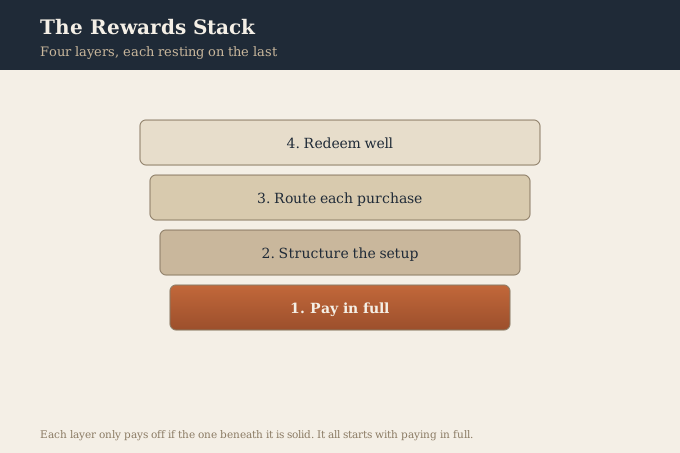
Layer 1: Pay in full, always
This is the foundation, and it is non-negotiable. The average credit card interest rate is near 20%, while even strong rewards earn a few percent. Carry a balance and the interest erases your rewards several times over, turning the whole exercise into a net loss. There is no rewards strategy that survives revolving debt. If you cannot pay in full every month, the correct move is to stop optimizing rewards and clear the balance first. Everything below assumes this layer is solid.
Layer 2: Structure the setup
With paying in full handled, build a card setup matched to your real spending, not to a blog's favorite cards. The durable structure for most people is simple:
- A flat-rate base card that earns a solid return on everything, so no purchase earns nothing.
- One or two category cards that earn more in your largest spending areas, groceries, dining, travel, whatever your statements actually show.
That is usually enough. Adding cards beyond this point produces diminishing returns and rising complexity. The right number of cards is the number your spending justifies and your attention can sustain, and for most people that is two or three, not seven.
Layer 3: Route each purchase
Once the setup exists, the ongoing habit is routing: paying with whichever card earns the most for that purchase. Groceries on the grocery card, everything else on the base card. This is where the earn actually happens, and it should be nearly automatic once you know your two or three cards. The trap is over-routing, contorting your spending to chase a marginal bonus. Route to your existing cards; do not reshape your life around merchant categories.
Layer 4: Redeem well, and honestly
The final layer is redemption, and it rests on one discipline: value points by what you actually redeem them for. Issuers imply aspirational valuations that most people never realize. The honest number is your own redemption history. If you consistently take cash or statement credits, your points are worth their cash value, and a plain cash-back card may serve you better than a complex points card. If you reliably transfer to travel partners for outsized value, points earn their keep. Let your real behavior, not the marketing, decide.
The four layers
- What it is
- No balance, ever
- The failure mode it prevents
- Interest erasing all rewards
- What it is
- Base card + category cards
- The failure mode it prevents
- Random cards, missed earn
- What it is
- Right card per purchase
- The failure mode it prevents
- Everything on one weak card
- What it is
- Value by real redemptions
- The failure mode it prevents
- Chasing points you never use well
The system's real goal: low effort, durable return
The point of building a system rather than collecting tips is that a system runs on its own. Set up the two or three cards, learn the routing, pick a redemption approach that matches how you actually travel or spend, and the rewards accrue with almost no ongoing thought. That is the version worth doing. The other version, maximizing every transaction, juggling rotating categories, optimizing each swipe, costs more attention than the marginal points are worth and usually ends in burnout or a missed payment that undoes everything. Build the structure once, keep paying in full, and let it quietly earn. An annual wallet audit is enough maintenance.
Sources
- Average credit card APR reflects Federal Reserve and CFPB data; see our rewards valuation guide for the redemption-value methodology.
- SwitchWize Research Desk four-layer rewards framework.
Card terms, earning rates, and transfer partners change frequently; confirm current details before applying. This is general educational information, not financial advice, and rewards value depends on paying in full.
Frequently Asked Questions
How do credit card rewards actually work as a system?
What is the best credit card setup?
How should I value credit card points?
Is maximizing credit card rewards worth the effort?
Act on this: today's top cards



Ranked by SwitchWize's composite score. We may earn a referral fee, and it never changes the ranking order.
Editorial review
What changed since the last update
Was this guide helpful?
Found an inaccurate, outdated, or missing claim? Report a correction. We verify reports against the relevant source before changing a guide or ranking.
