- A federal court vacated the CFPB's $8 credit card late fee cap in April 2025, and the legal ceiling reverted to $30 for a first late payment and $41 for a repeat late payment within six billing cycles.
- Most large issuers kept charging $8 anyway rather than reverting to the higher legal maximum, even though nothing in the law requires them to.
- The CFPB has submitted a new Request for Information on late fees, a step that could lead to a revised rule that raises the amount again, in either direction, without much warning.
Dennis read the headline in July: the court had killed the $8 late fee rule. He assumed his own late fee had quietly gone back up to whatever it used to be, so he moved a payment up by a week just to be safe, one more small task added to a month that didn't need one. He never checked his actual card agreement. Most people in his position wouldn't have.
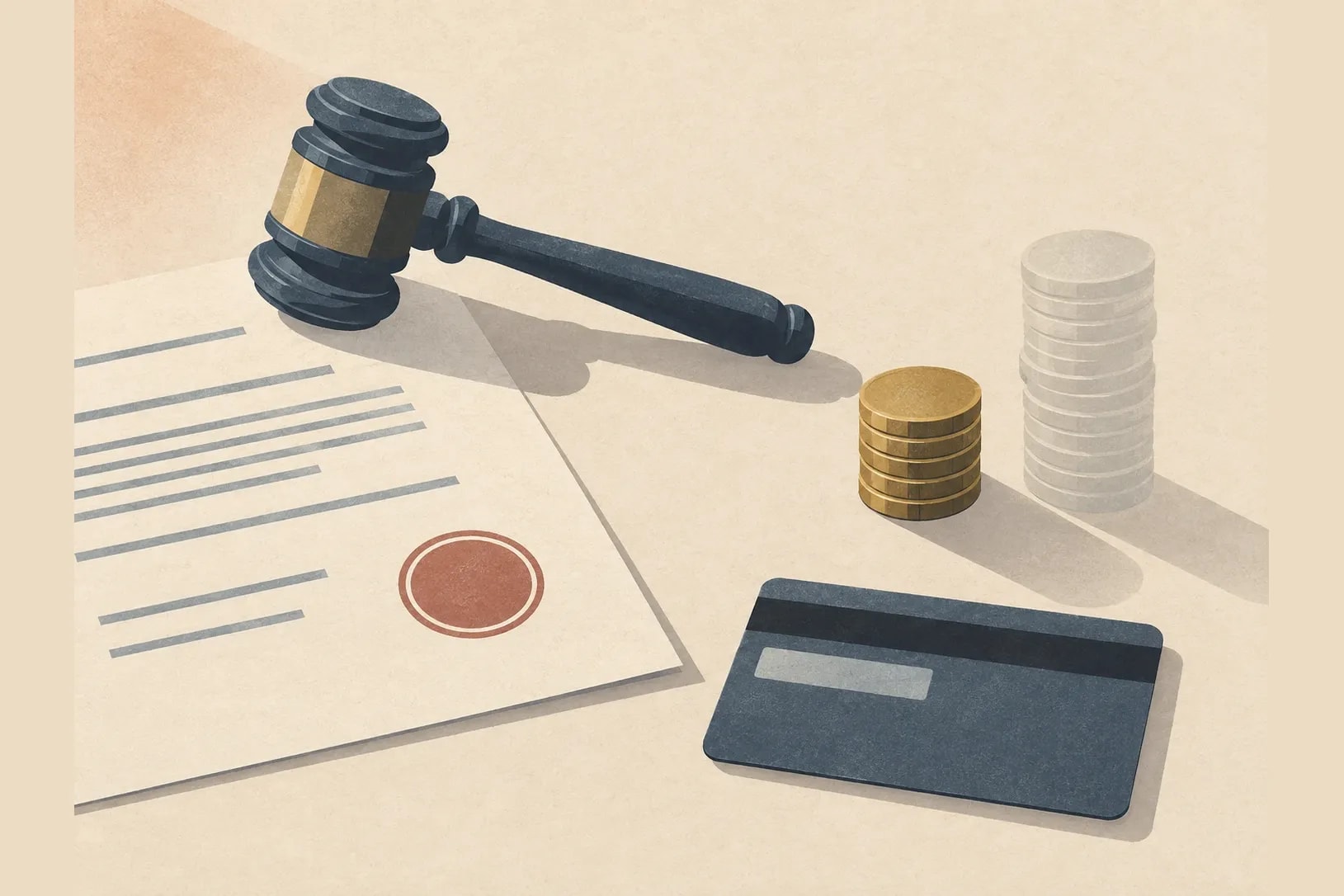
What the court ruling actually changed
In March 2024, the CFPB finalized a rule capping late fees at $8 flat for the largest credit card issuers, those with 1 million or more open accounts. In April 2025, a federal court in Texas vacated that rule entirely. Vacated means gone, not paused. Legally, the ceiling reverted to Regulation Z's general safe harbor: up to $30 for a first late payment, and up to $41 for a repeat late payment within the next six billing cycles.
That's the part that made headlines. The part that didn't: reverting to the higher legal maximum was never mandatory. It was always a choice, and according to industry reporting, most large issuers made the same choice Dennis's card issuer did. They kept charging $8.
The timeline
Line the dates up and the pattern is clear. March 2024: the CFPB writes $8 into federal regulation. April 2025: a court erases that regulation. Since then: most large issuers' actual posted fees haven't moved. The rule that created the $8 number is gone. The number itself mostly stayed.
That's not an accident, and it isn't generosity either. Reversing a fee that got wide coverage as a consumer protection win invites exactly the kind of bad press and complaint volume a company doesn't need. Reprogramming a fee schedule back up costs real operational effort, especially with the CFPB having since opened a new Request for Information on late fees, a formal first step that could produce another rule change in either direction. Rolling the fee up now, only to possibly roll it back down again later if a new rule lands, is a worse plan than just leaving it alone.
How a $25 fee became a $41 fee
To understand why $8 is a strange number to land on voluntarily, it helps to know how the $30/$41 ceiling got there in the first place.
Before 2009, late fees weren't capped by federal law at all, and by the mid-2000s the average had climbed to around $35. Congress responded with the Credit Card Accountability Responsibility and Disclosure Act of 2009, the CARD Act, after concluding that parts of the industry had built a business model on penalty fees and bait-and-switch pricing. The Federal Reserve's 2010 implementing rule required fees to reasonably reflect an issuer's actual cost of handling a late payment, but it included a safe harbor: charge no more than $25 for a first late payment and $35 for a repeat one, adjusted for inflation every year, and an issuer didn't have to prove its actual costs. The average fee dropped immediately, from about $33 to roughly $23.
Then the annual inflation adjustment did what inflation adjustments do, year after year, for fourteen years. By 2024, the safe harbor had crept to $30 and $41, even as issuers moved late-payment processing onto cheaper, automated digital systems. The CFPB's own analysis concluded the typical fee actually charged had reached $32, about five times what the agency calculated a late payment really costs an issuer to handle. The $8 figure in the 2024 rule wasn't chosen as a talking point. It was the CFPB's own cost estimate.
The lawsuit that struck down the rule
The $8 rule lasted nineteen days. On March 7, 2024, the U.S. Chamber of Commerce, the American Bankers Association, the Consumer Bankers Association, and several regional chambers sued in the Northern District of Texas, a venue widely understood to favor challenges against federal regulators, and asked for an immediate injunction. They argued the CFPB had used flawed data and exceeded its authority under the very CARD Act the rule claimed to enforce. On May 10, 2024, the court blocked the rule before it ever took effect. By December, the court found the plaintiffs likely to win on the merits. On April 15, 2025, the court entered final judgment vacating the rule outright, ruling it violated both the CARD Act and federal rulemaking procedure.
That should have been the end of the story: rule dead, $30/$41 ceiling restored, issuers legally free to charge up to five times more per late payment than the $8 figure. Instead, most of them just left the fee where it was.
Why the ruling didn't settle it
This is the part that catches careful people, not careless ones. A court ruling feels definitive. "Vacated" sounds like the end of the story, so it's natural to assume the practical effect, a higher fee, followed automatically. It didn't. What actually determines your late fee is your card issuer's current posted terms, a business decision that can change on its own timing, separate from any court case.
The same logic cuts the other way too. Nothing stops an issuer from raising the fee back toward $41 next quarter, quietly, with a notice most cardholders won't read closely. A court can kill a rule. It can't force a company to charge you more if charging you less is working out fine for them, and it can't stop that company from changing its mind once it isn't.
What protects you
Check your own card's current fee disclosure rather than assuming either number, the old $8 or the legal $41 ceiling, currently applies. The gap between those two numbers is real money: a repeat late payment at $41 instead of $8 is an extra $33 you didn't need to pay, and the only way to know which one applies to you is to look.
The more durable fix skips the guessing entirely. Set autopay for at least the minimum payment on every card you carry. It removes the bet on what the fee happens to be this quarter, or what a court or a regulator decides next.
Dennis finally looked. His issuer's disclosure still said $8. He canceled the early payment he'd rushed to make and set autopay for the minimum instead, so the next headline about a court case would have nothing to do with him.
Quick answers
Is the $8 credit card late fee rule still in effect? No, not as a legal requirement. A court vacated it in April 2025. Most large issuers kept charging $8 anyway, but nothing obligates them to keep doing so.
What's the legal maximum late fee right now? Up to $30 for a first late payment and up to $41 for a repeat late payment within six billing cycles, under Regulation Z's general safe harbor.
How do I know what my card actually charges? Check your card's current terms or online fee disclosure directly. Don't assume either the old $8 or the $41 ceiling applies without looking.
Methodology
The regulatory timeline and dollar figures cited here (the 2009 CARD Act, the 2010 Federal Reserve implementing rule and its $25/$35 safe harbor, the March 2024 final rule, the Chamber of Commerce lawsuit and its March 2024-April 2025 timeline, and the current $30/$41 Regulation Z safe harbor) are drawn from the CFPB's own rule text and rulemaking record, contemporaneous court filings, and legal/industry reporting as of 2026-09-19. The claim that most large issuers kept charging $8 rather than reverting is attributed to industry reporting and is not an independently audited survey of every issuer; always check your own card's current terms. This is educational information, not personalized financial or legal advice.
What to Do Now
Frequently Asked Questions
Is the $8 credit card late fee rule still in effect?
Why would a credit card company keep a lower fee it isn't legally required to charge?
How much could my late fee legally go up to?
How do I know what my card actually charges for a late payment?
Act on this: today's top cards

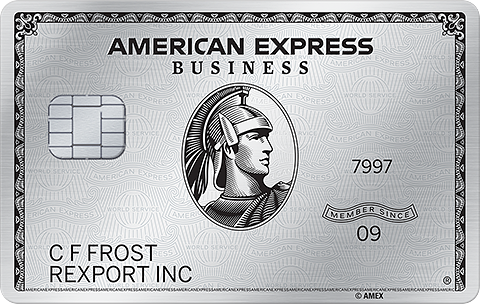

Ranked by SwitchWize's composite score. We may earn a referral fee, and it never changes the ranking order.
Editorial review
What changed since the last update
Was this guide helpful?
Found an inaccurate, outdated, or missing claim? Report a correction. We verify reports against the relevant source before changing a guide or ranking.
