How to choose
What to weigh before you pick
It usually comes down to 3 things. Compare your options on each before deciding.
What you earn on the spending you actually do.
The fee weighed against the rewards and credits you will use.
The intro offer and the spend required to earn it.
- Only the statement balance, paid in full by its due date, guarantees zero interest; the current balance and minimum payment can both leave you owing more than you expect.
- The current balance simply reflects everything posted since your last statement closed; it isn't a payoff amount, and clearing it early buys you nothing extra.
- Paying the minimum avoids a late fee, but it lets the unpaid statement balance accrue interest starting immediately, which is a separate and more expensive problem.
Quick answer
Every credit card statement shows three different numbers, and only one of them decides whether you pay interest. The statement balance is the total you owed the moment your last billing cycle closed. Pay that exact amount by the due date and you owe zero interest, assuming you weren't already carrying a balance. The current balance is a live, moving figure that includes anything charged since the statement closed; it is not a payoff amount, and clearing it early buys you nothing the statement balance didn't already cover. The minimum payment keeps the account in good standing and protects your score, but it leaves the unpaid statement balance to accrue interest at the average card APR of 24.00%, starting immediately. Understanding statement balance vs current balance vs minimum payment is essential to avoiding unnecessary interest charges on your credit card.
Decision table
- What to pay
- Pay that exact amount by the due date
- Why it works
- This is the only path that keeps the grace period and avoids interest completely
- What to pay
- Ignore the current balance until next cycle
- Why it works
- New purchases carry their own grace period as long as last cycle's balance is clear
- What to pay
- Pay as far above the minimum as possible
- Why it works
- Interest is charged on the average daily balance, so extra payments early in the cycle cut it
- What to pay
- Check for an interest charge line, not the current balance total
- Why it works
- A nonzero current balance can just be new spending, not carried debt
- What to pay
- Skip payment or request a refund from the issuer
- Why it works
- Paying a card that already owes you money just ties up your cash
Three numbers, one worked example
Say your last statement balance was $800. Since it closed, you've charged another $300, so today's current balance reads $1,100. Pay the $800 by the due date and you owe $0 interest on it. The $300 simply becomes next cycle's new statement balance, itself interest-free as long as you pay it in full by its own due date. Paying $1,100 today instead of $800 doesn't avoid any interest you weren't already avoiding.
Do this, don't do this
Do this:
-
Pay the exact statement balance shown on your last bill, not today's current balance total.
-
Set up autopay for the statement balance specifically, if your issuer allows choosing which figure to automate.
-
Check your monthly statement for an interest charge line item to confirm whether you're actually revolving debt.
Don't do this:
-
Don't assume paying the current balance early earns you anything the statement balance payment didn't already cover.
-
Don't treat the minimum payment as safe just because it avoids a late fee; it does not stop interest.
-
Don't ignore a lost grace period. If you missed a full payment last cycle, ask your issuer whether new purchases are now accruing interest immediately.
What changes if you're revolving
Everything above assumes you can pay the statement balance in full. If you can't, the grace period is already gone for this cycle, and the minimum-versus-statement-balance question becomes secondary to how fast you clear the debt. Use the credit card interest calculator to see the real cost of carrying a balance at today's rates. If the balance is larger than a cycle or two, how to get out of credit card debt lays out a payoff plan, and the minimum payment trap guide shows what minimum-only payments cost over years rather than one cycle.
Where this gets more complicated
Cash advances typically have no grace period at all; interest starts the day you take one, regardless of your statement balance. Promotional 0% balances can also complicate the picture, since some deferred-interest plans charge all the accrued interest retroactively if the full promotional balance isn't cleared by the expiration date. Confirm any promotional terms directly with your issuer before assuming the standard rule applies.
If you lost your grace period after carrying a balance, most issuers require one or two consecutive cycles of paying the statement balance in full before reinstating it. This policy varies by issuer and isn't always disclosed clearly, so ask directly. For the full mechanics of how grace periods work and when issuers can revoke them, see the credit card grace period guide.
Why this matters at every credit tier
This mechanic is identical whether you're a new cardholder or have held cards for a decade; grace periods and interest calculations aren't tied to your credit tier. What does change by tier is your card's APR, so the dollar cost of a mistake here is often higher on a card issued to a thinner or lower-scored file. A carried balance also raises your utilization ratio, which hurts your score separately from the interest it costs; the credit utilization impact calculator shows how much. A Money Map scan can also flag whether this cycle's mistake is a bigger opportunity cost than it looks.
How we verified this
We checked this explanation against CFPB grace-period guidance and Regulation Z's minimum billing-cycle requirements, not against any single issuer's marketing language, since the grace period mechanic is federally standardized even though issuer-specific details like reinstatement rules vary.
Compensation disclosure: Some of the calculator and card links on this page lead to SwitchWize partner offers. That relationship has no bearing on the mechanics explained above, which are the same regardless of which card you hold.
Sources
- CFPB: what is a grace period for a credit card explains how the grace period and billing cycle work.
- Federal Reserve consumer credit resources cover the minimum time required between a statement closing and its due date.
- Experian: how credit card interest works explains average daily balance calculations.
Terms referenced on this page were verified on July 10, 2026. Billing-cycle mechanics are broadly standardized, but issuer-specific policies like grace-period reinstatement can vary. This article is educational information, not individualized financial advice.
Frequently Asked Questions
I paid my minimum payment on time. Why was I still charged interest?
Should I pay off the current balance instead of the statement balance?
Do new purchases lose their grace period if I pay the statement balance in full?
What happens if I only ever pay the minimum?
Does the grace period ever disappear completely?
The 5-minute money briefing
One email per week. New rates, fed moves, and what to actually do about them.
No spam. Unsubscribe anytime.
Act on this: today's top cards


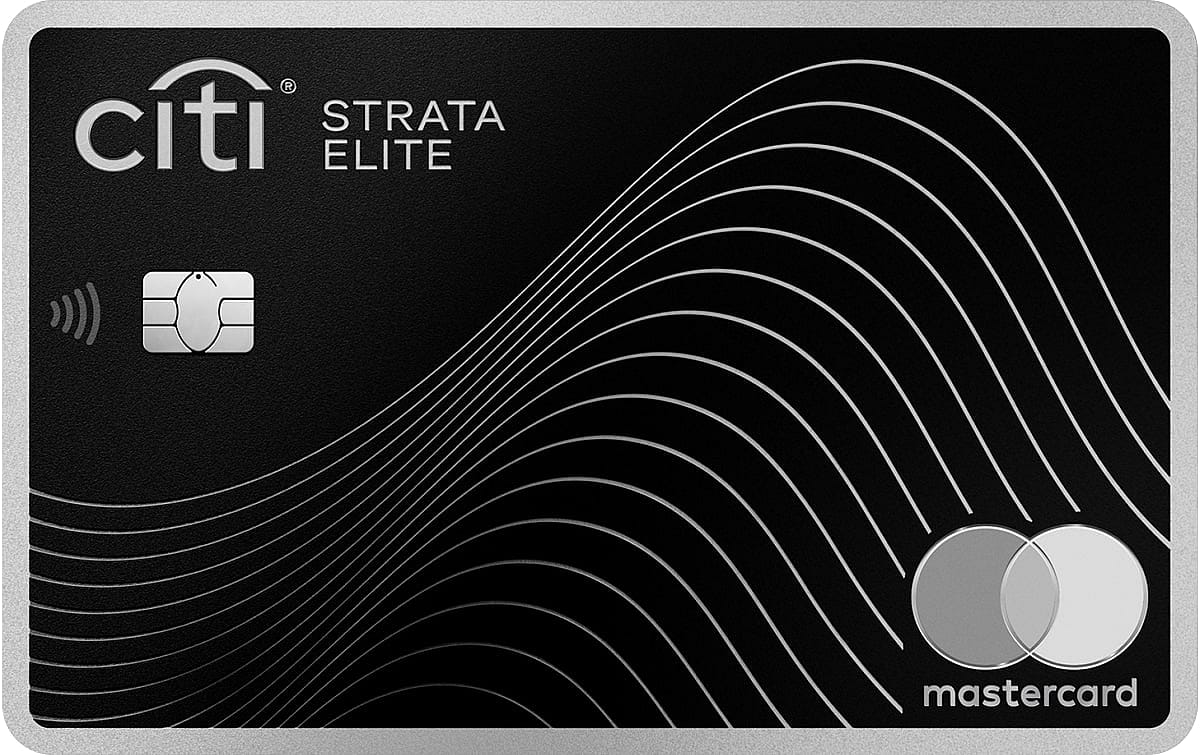
Ranked by SwitchWize's composite score. SwitchWize currently has no compensated product links.
Editorial review
What changed since the last update
Was this guide helpful?
Found an inaccurate, outdated, or missing claim? Report a correction. We verify reports against the relevant source before changing a guide or ranking.
