- Pay your full statement balance by the due date and you owe zero interest on purchases, no matter how high the APR; that is the grace period.
- Carrying a balance even once forfeits it: interest then accrues on new purchases from the transaction date until you pay in full again.
- Cash advances and most balance transfers have no grace period at all, so interest starts the day you use them.
The number everyone fixates on, the card's APR, is a price you only pay if you opt in. The average card now charges 24.00%, a brutal rate, and millions of disciplined cardholders pay exactly none of it. The mechanism that lets them is the grace period, and it is the single most valuable, least understood feature on a credit card. Rates on this page were last verified recently. Understanding how to avoid credit card interest 2026 starts with mastering this grace period mechanism that most cardholders overlook.
Used right, a credit card is a free short-term loan: you buy now, pay in three or four weeks, and the bank earns nothing from you in interest. Used wrong, it is the most expensive money you will ever borrow. The line between the two is one rule.
How the grace period works
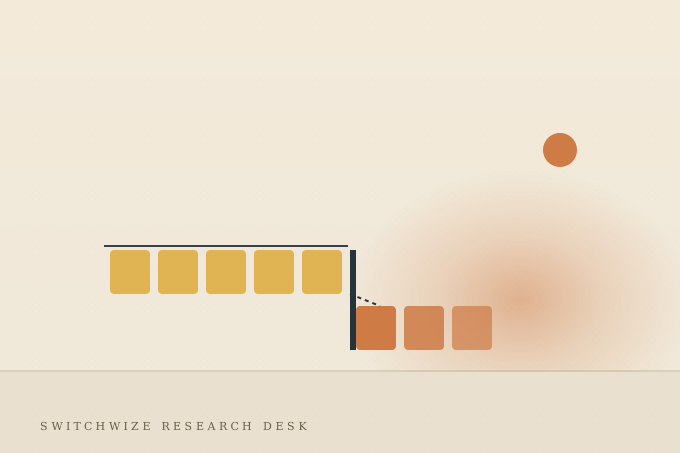
Your statement closes, and you get a bill. Between that closing date and the due date, you have a window, at least 21 days by federal rule on cards that offer one. Pay the full statement balance within that window and the purchases on that statement never accrue a cent of interest. The bank fronted you the money for free.
This resets every month. As long as you keep paying the statement balance in full, you ride the grace period forever and the APR is just a number on the agreement. A rewards card you pay off monthly literally pays you to spend, with no interest cost at all.
The one mistake that kills it
The grace period is a privilege the card extends only while you are paid up. The moment you carry a balance, fail to pay the statement in full by the due date, it disappears, and the change is harsher than people expect:
- Interest starts accruing on the unpaid balance, as you would assume.
- But interest also begins accruing on new purchases from the day you make them, not after the next due date. You lose the interest-free window entirely.
So the cost of carrying a balance is not just interest on the old balance. It is interest on everything you buy next, charged from the purchase date, at 24.00%. To get the grace period back, you usually have to pay the balance in full and, on many cards, wait a full billing cycle or two with no carried balance.
This is the engine behind the minimum payment trap: once you slip into carrying a balance, every new swipe starts costing interest immediately, which is why balances snowball.
What the grace period does not cover
Two transactions sit outside it entirely:
- Grace period?
- Yes, zero interest
- Grace period?
- No, interest from the transaction date
- Grace period?
- No, interest from day one, often higher APR
- Grace period?
- No, unless a 0% promo applies
A cash advance is the worst of these: no grace period, a higher APR, and often an upfront fee.
What to do, by situation
- Action
- No action needed, your grace period stays active
- Action
- Pay the full balance now to restore the grace period
- Action
- Avoid it if you can, interest starts immediately with no grace period
- Action
- Look at cards built for everyday spending, not just the advertised APR
If you pay in full every month, our credit card calculators can help you compare which rewards structure earns you the most, since the APR itself is nearly irrelevant to you.
Quick answers
How do I avoid credit card interest? Pay the full statement balance by the due date every month. The grace period then makes purchases interest-free regardless of the APR.
What kills the grace period? Carrying a balance once. Interest then hits new purchases from the transaction date until you pay in full again.
Do cash advances get a grace period? No. Interest starts immediately, usually at a higher rate, plus a fee.
Sources
- Consumer Financial Protection Bureau: credit card guides — grace period, billing, and disclosure rules under the CARD Act.
- Federal Trade Commission: paying with credit cards — consumer protections around billing cycles and interest charges.
Methodology
Grace-period mechanics follow the CARD Act and standard issuer practice; the minimum 21-day window applies to cards that offer a grace period, and exact terms (including how the grace period is restored) vary by issuer, so check your cardholder agreement. The average APR is tracked from issuer disclosures and regulatory data. This is educational information, not personalized financial advice.
What to Do Now
Frequently Asked Questions
How do I avoid paying credit card interest?
What is a credit card grace period?
What happens if I carry a balance?
Do cash advances and balance transfers have a grace period?
The 5-minute money briefing
One email per week. New rates, fed moves, and what to actually do about them.
No spam. Unsubscribe anytime.
Act on this: today's top cards

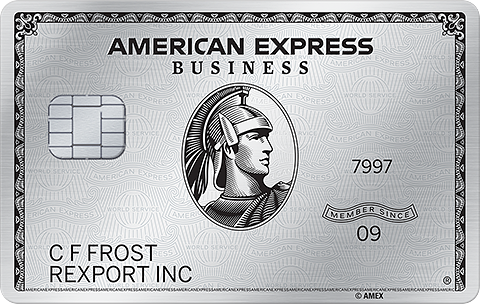

Ranked by SwitchWize's composite score. We may earn a referral fee, and it never changes the ranking order.
Editorial review
What changed since the last update
Was this guide helpful?
Found an inaccurate, outdated, or missing claim? Report a correction. We verify reports against the relevant source before changing a guide or ranking.
