- Invitation-only cards are relationship-based; they are not something you apply for directly.
- The realistic incremental benefit over a top publicly available premium card is often a fraction of the fee gap between them.
- Any required deposit or AUM relationship has a real opportunity cost, even when it is never billed as a fee.
Quick answer
For nearly everyone, a top publicly available premium card is the better answer. Invitation-only and private-bank cards are not something you apply for; they are typically extended based on an existing high-spend or private-banking relationship with the issuer. Even if you qualify, the realistic incremental benefit over a strong publicly available card, once you strip out overlapping perks, is often a few thousand dollars a year at most, while fees on invitation-only products commonly start around $5,000 and relationship requirements can mean holding assets on below-market terms. For comprehensive guidance on maximizing credit card benefits, our guide to the best ultra-premium and invitation-only credit cards 2026 compares all available options.
Price that opportunity cost honestly before treating the invitation as free upside. If you are already maintaining the underlying banking relationship for other reasons, the card can be a reasonable add-on. If you carry a balance on any card, this entire comparison is moot: the average card APR of 24.00% makes debt the priority over any tier of rewards card.
Decision table
- What to do
- Take the card if the incremental fee is small next to what you already hold
- Why
- You are paying for a marginal add-on, not the whole relationship
- What to do
- Compare a top publicly available premium card instead
- Why
- The card is not accessible, or not worth manufacturing the relationship, for you
- What to do
- Price that gap as a real cost of the card
- Why
- Opportunity cost applies even without a line-item fee
- What to do
- Rank only the incremental value
- Why
- The overlapping portion is not a reason to upgrade
- What to do
- Skip both and address the balance first
- Why
- No invitation-only perk outpaces typical card interest
Choose this if, skip it if
Take the invitation-only card if:
-
You already maintain the underlying relationship for independent reasons.
-
The incremental fee is small relative to what you are already paying or holding with that issuer.
Choose a top publicly available premium card if:
-
You do not have the relationship, or building one would mean moving assets to a lower-return account just to qualify.
-
Most of what you actually want overlaps with benefits a public card already offers.
Skip both if:
- You would need to carry a balance to make either card's fee comfortable.
Pay-in-full versus revolver verdict
This comparison only makes sense for someone paying in full every month. Carrying a balance on a card in this fee tier is a serious error: at the average card APR of 24.00%, interest on even a modest balance can exceed the entire incremental benefit an invitation-only card provides. Use the credit card interest calculator if there is any chance you would revolve.
An invitation-only card charges a $5,000 annual fee and requires maintaining $100,000 with the issuer's private bank at rates roughly 1 percentage point below what is available elsewhere, an opportunity cost of about $1,000 a year. Its genuinely exclusive benefits, beyond what a $795-fee publicly available card already offers, are worth roughly $1,500 realistically. Net: $1,500 minus the $5,000 fee minus the $1,000 opportunity cost is a $4,500 annual loss versus simply holding the publicly available card.
Run the card switch calculator on your current public premium card before assuming an invitation-only card is worth the relationship cost. A Money Map scan is also worth running; $100,000 parked at a below-market rate is often a bigger opportunity than any card benefit.
Approval and credit-tier context
Access is not purely score-based. Excellent credit is necessary but not sufficient; qualification runs through spend history, assets, or an existing private-banking relationship with that specific issuer, and no published score or income threshold guarantees an invitation.
Fees, caps, and exclusions
Initiation fees are sometimes separate from the ongoing annual fee. Relationship or AUM requirements can be revoked if the underlying account balance drops, which can trigger a downgrade or cancellation of the card itself. Benefit lists on these products change more quietly than on publicly available cards, since there is no public marketing page holding the issuer to a fixed list.
For a publicly available alternative, read best luxury credit cards 2026 and the Coupon-Book Problem for how to value premium credits realistically either way.
How we ranked
We priced the incremental benefit of invitation-only products against a top publicly available premium card baseline, and treated any required deposit or asset relationship as a real opportunity cost rather than a free qualification step.
Compensation disclosure: SwitchWize does not carry affiliate relationships for most invitation-only products; where public premium-card links appear, SwitchWize may earn a referral fee, which does not change the ranking methodology above.
Sources
- CFPB credit card cost guidance explains how fees and account requirements affect overall cost.
- Federal Reserve consumer credit resources cover how card terms, credits, and eligibility requirements can change.
Terms referenced on this page were verified on July 10, 2026. Offers, fees, APRs, rewards, eligibility, and program rules can change. This article is educational information, not individualized financial advice.
Frequently Asked Questions
Can I apply for an invitation-only credit card?
What does the fee actually buy over a top publicly available card?
Is there a hidden cost to the relationship requirement?
Who actually comes out ahead with an invitation-only card?
How do I compare the two options objectively?
The 5-minute money briefing
One email per week. New rates, fed moves, and what to actually do about them.
No spam. Unsubscribe anytime.
Act on this: today's top cards


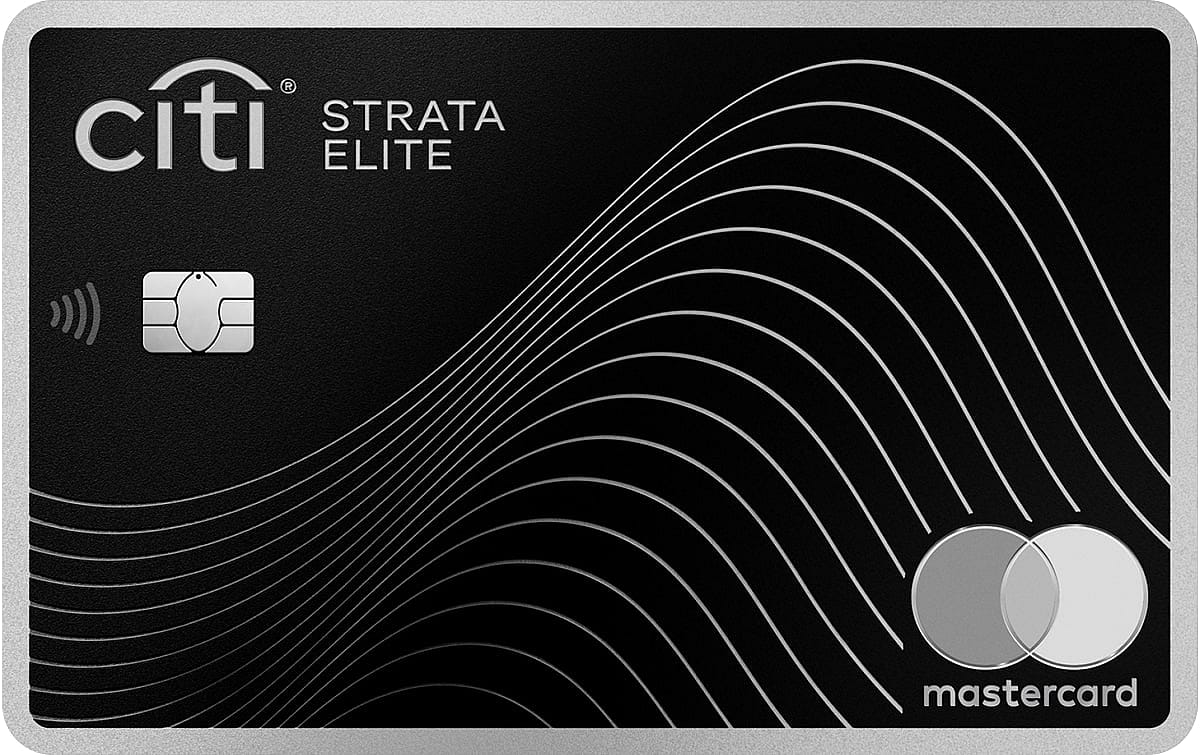
Ranked by SwitchWize's composite score. SwitchWize currently has no compensated product links.
Editorial review
What changed since the last update
Was this guide helpful?
Found an inaccurate, outdated, or missing claim? Report a correction. We verify reports against the relevant source before changing a guide or ranking.
