- Rank luxury cards by realistic, conservative usage, not the advertised benefits total.
- The gap between advertised and realistic value, the Coupon-Book Breakage Rate, commonly runs 40 to 60 percent on credit-heavy cards.
- A lower-fee card with credits you will actually use can out-earn a flashier one you will only partly use.
Quick answer
The best luxury credit card in 2026 is whichever publicly available premium card clears its annual fee using credits and rewards you will actually redeem, not the one with the biggest advertised benefits total. Luxury cards in this range typically charge about $400 to $900 a year and advertise $1,000 or more in combined credits, but a realistic cardholder recovers something closer to half of that. A card's Coupon-Book Breakage Rate captures the gap between the marketing number and what you will actually use, advertised value minus usable value, divided by advertised value. Our analysis of best luxury credit cards 2026 relies on this breakage-rate methodology to identify which cards justify their premium positioning.
Before choosing, list the card's credits against your real spending and travel habits, then discount anything that requires new behavior to zero. A lower-fee travel card with fewer, broader benefits can beat a flashier option if it clears its fee more reliably. If you carry a balance, none of this applies until it is paid off; the average card APR of 24.00% turns any $600 fee card into a losing proposition fast.
Decision table
- What to do
- Rank it by its full realistic credit value
- Why
- You will clear more of the advertised total than average
- What to do
- Discount them toward zero before comparing
- Why
- Unused narrow credits are the main source of breakage
- What to do
- Choose the lower-fee card
- Why
- A smaller fee is a smaller number to clear before you are in the green
- What to do
- Treat the card as lower value than its ranking suggests
- Why
- Behavior change is a real cost, not a free unlock
- What to do
- Skip this comparison entirely
- Why
- No luxury card's benefits outpace typical card interest
Choose this if, skip it if
Choose a broad-credit luxury card if:
-
Your existing travel and dining spend already overlaps most of its credit categories.
-
You are organized enough to track and use rotating or category-specific credits.
Choose a lounge-and-travel-focused card if:
- You want fewer, more reliably usable benefits over a long list of narrow ones.
Choose the mid-tier alternative if:
- Your realistic usage of either luxury card's credits would land below half the advertised total.
Skip all of them if:
- You would carry a balance to afford the fee or the spending needed to make it worthwhile.
Pay-in-full versus revolver verdict
Every calculation above assumes you pay the statement balance in full. Carrying a balance on a $550-plus annual fee card is a real mistake, not a rounding error: at the average card APR of 24.00%, a few months of interest can exceed the entire realistic value of the card's credits. If you would carry a balance, use the credit card interest calculator and address that before ranking any luxury card.
A card advertises $1,000 in combined travel, dining, and entertainment credits for a $650 annual fee. A realistic cardholder uses the travel credit fully, half the dining credit, and none of the narrow entertainment credit: about $550 of usable value. That is a 45% Coupon-Book Breakage Rate and a net of negative $100 before counting ordinary rewards earned on everyday spend.
Use the annual fee break-even calculator to test your own numbers, and run the card switch calculator to compare a luxury card's real ongoing value against your current card or a simpler alternative. A Money Map scan can also confirm whether a luxury card is the right place to focus, or whether debt or savings deserves the attention first.
Approval and credit-tier context
Luxury cards in this fee range generally require excellent credit and income comfortably above what is needed for a no-fee card. Issuers weigh existing relationship, utilization, and recent applications alongside score, so prequalification tools are worth checking before applying.
Fees, caps, and exclusions
Many credits are capped monthly or quarterly and do not roll over if unused. Some require enrollment each year, use only through a specific travel portal, or exclude certain merchants entirely. Lounge access programs increasingly cap free guest visits or charge for additional entries once you exceed a threshold. Read the current benefits guide for each card rather than the marketing summary.
For deeper context, read the Coupon-Book Problem, the Real Annual Value guide, and best ultra-premium and invitation-only credit cards if you are also weighing a relationship-based product.
How we ranked
We ranked each card by conservative Real Annual Value: realistic credit usage plus ordinary rewards, minus the annual fee, rather than the issuer's advertised benefits total. A card with a smaller advertised total but higher realistic usability can outrank one with a bigger headline number.
Compensation disclosure: SwitchWize may earn a referral fee when you apply through partner links. Rankings are based on realistic value, not the highest advertised total.
Sources
- CFPB credit card cost guidance explains how fees and benefit structures affect overall card cost.
- Federal Reserve consumer credit resources cover how card terms, credits, and benefit programs can change.
Terms referenced on this page were verified on July 10, 2026. Offers, fees, APRs, rewards, eligibility, and program rules can change. This article is educational information, not individualized financial advice.
Frequently Asked Questions
What actually counts as a luxury credit card?
What is the Coupon-Book Breakage Rate?
Why don't advertised benefit totals match what people actually get?
Is there a tool that shows this gap for specific cards?
What credit score do I need for a luxury card?
The 5-minute money briefing
One email per week. New rates, fed moves, and what to actually do about them.
No spam. Unsubscribe anytime.
Act on this: today's top cards


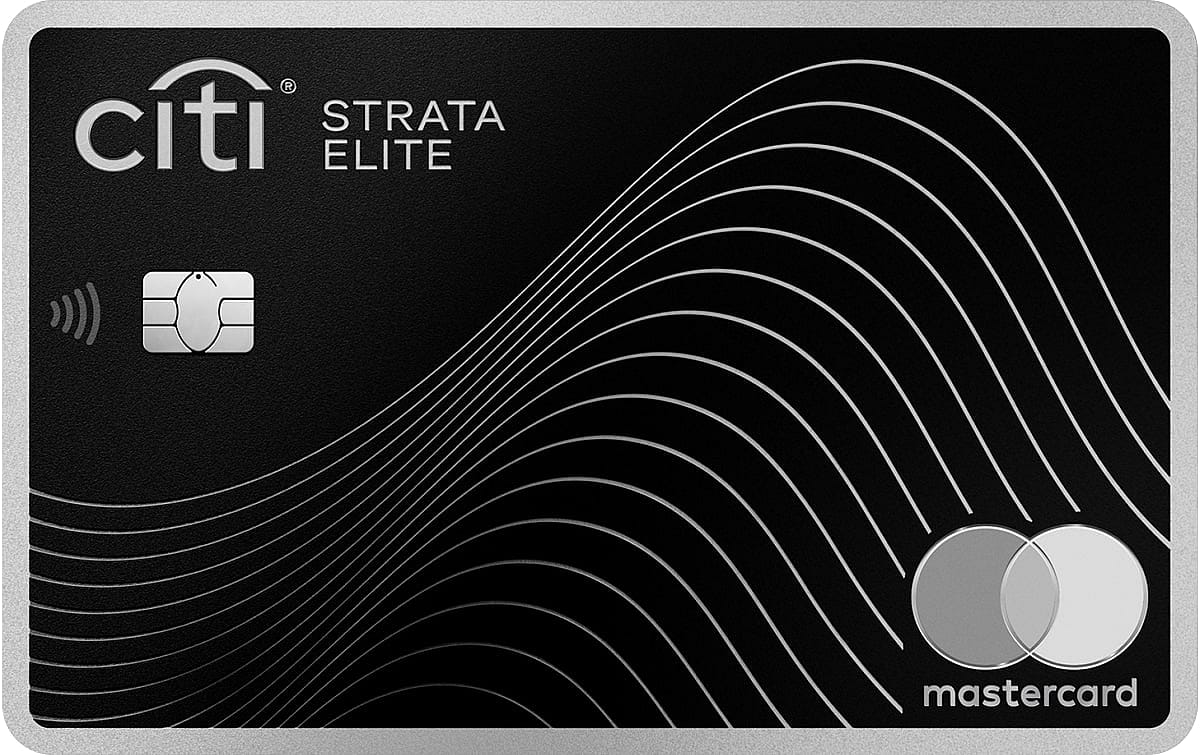
Ranked by SwitchWize's composite score. SwitchWize currently has no compensated product links.
Editorial review
What changed since the last update
Was this guide helpful?
Found an inaccurate, outdated, or missing claim? Report a correction. We verify reports against the relevant source before changing a guide or ranking.