- Hilton Honors' own tracked redemption value fell from 0.48 cents to 0.35 cents per point between July 2024 and May 2026, a 27% decline on a balance that never moved.
- Chase is cutting the Ultimate Rewards to Hyatt transfer ratio from 1:1 to 4:3 on October 1, 2026, a 25% cut to what the same point count converts into.
- Nothing on a points statement flags a devaluation. The count stays the same. Only what it buys changes, and only if you go looking.

In the comment section of a mileage blog in June 2026, a reader who goes by Christian was doing the math out loud on Chase's decision to cut its Hyatt transfer ratio. "With the way things are moving in the wrong direction so quickly I can't help but consider how my value proposition is being lowered," he wrote. "After this year though I will almost certainly be lowering my spending on Chase cards and Hyatt hotels." Christian's frustration reflects a broader pattern of credit card points devaluation that erodes rewards without members realizing it.
Christian noticed. Most people never do, because a points balance is built to look unchanged even while it quietly loses value.
That is the whole mechanism, and it is worth sitting with for a second. A bank account tells you the truth constantly. The number on the screen is the number you have, today, right now. A points balance lies by omission. The number on the screen is the number of points you have. It says nothing about what those points are worth, and that second number moves without your consent, without a notification, and usually without you noticing until the day you try to redeem.
The pattern, not a one-off
Renata (a composite drawn from a pattern real cardholders describe) had 100,000 Hilton Honors points sitting untouched since a work trip in mid-2024. She had glanced at the balance a few times since, always the same six-digit number, and always assumed it meant the same thing it meant the day she earned it.
It didn't. Frequent Miler tracks Hilton's redemption value continuously, the same way an analyst tracks a stock, and its own numbers show the ground shifting under Renata's feet the whole time she wasn't looking: 0.48 cents per point in July 2024, 0.41 cents by August 2025, 0.35 cents by May 2026. Her 100,000 points were worth about $480 the summer she earned them. By the time she checked again, the same balance, untouched, unspent, sitting exactly where she left it, was worth about $350. She lost $130 doing absolutely nothing, which is a strange kind of loss, because most losses at least require an action.
Hilton's slide is the steepest one tracked, but it is not an outlier. It is the shape the whole industry has taken. Chase cut its travel portal's baseline redemption value in June 2025, from 1.5 cents per point on the Sapphire Reserve down to a flat 1.0 cent for every cardholder, a cut of a third for its top-tier card. Amex moved most airline transfer ratios from 2:1 to 3:1 in February 2026, meaning it now takes half again as many Membership Rewards points to land the same miles. Marriott's Category 5 hotels now run 76,000 points a night, up 90% from the early-2022 baseline before dynamic pricing arrived. United killed its Excursionist Perk and its fixed upgrade-award chart in the second half of 2025. None of these programs announced "your points are now worth less." They announced a chart update, a ratio adjustment, a program enhancement. The math underneath is the same either way.
Why careful people miss it
The behavioral trap here has a name: psychologists call it the absence of a salient feedback loop. People correct for a cost only when something visibly signals the cost changed, the way a red arrow on a stock ticker or a rising number on a gas pump forces attention. A points balance has no such signal built in. Nobody opens their rewards app expecting a devaluation notice, because there is no ticker, no daily quote, no red or green arrow. The number just sits there, static, looking exactly as reassuring as it did a year ago, and without a signal demanding attention, the brain has no reason to go looking for one.
Compare that to cash sitting in a bad savings account. At least the account statement shows an interest rate, even a bad one, and a curious saver can compare it to a better one down the street. A points balance shows nothing comparable. The "exchange rate" between a point and a dollar lives entirely outside the app, in third-party trackers most people have never heard of, and it changes on the program's schedule, not yours.
Regulators have started to notice the pattern too. The CFPB's May 2024 rewards spotlight, reviewing several hundred consumer complaints, named devaluation as one of the four recurring problems cardholders report, alongside unexpected promotional conditions, redemption friction, and outright revocation. The same report found that nearly one in ten dollars consumers earn in rewards traces back to a sign-up bonus, which is exactly the kind of large, one-time points haul that then sits untouched for years, quietly eroding, unless someone actively manages it. And by McKinsey's widely cited estimate, more than 30% of loyalty points issued globally go unredeemed, representing something on the order of $200 billion sitting idle at any given time. A balance nobody touches is a balance nobody notices depreciating.
What actually protects you
The fix is not to stop earning points. It is to stop treating a points balance like a bank balance, because it behaves like neither cash nor a static asset. It behaves like a depreciating currency with an unpredictable, unannounced exchange rate.
If you have a specific redemption in mind, confirm the award is actually available and book it, rather than banking the points for a someday trip. If you are considering a transfer to a partner program, do it because you have a confirmed use, not speculatively, since most transfers are one-way and non-refundable, and the ratio you transfer at today may not exist next quarter. And if you are sitting on a balance you haven't checked in a year, the first useful move costs nothing: look up the program's current, dated valuation before assuming last year's number still applies. Our points value calculator walks through a conservative, achievable, and optimized redemption for whatever program you're holding, and the Real Annual Value guide covers the broader framework for weighing any card's rewards against what they actually cost to earn and keep.
A Money Map scan is also worth running if you're not sure whether an old points balance is your biggest sitting-idle problem or a smaller one behind a stale savings account or a card you're carrying a balance on. Points devaluation rarely announces itself. That is exactly why it is worth checking on purpose, on a schedule you set, rather than waiting for the balance to tell you something is wrong. It won't.
Renata eventually did check. She still had the 100,000 Hilton points, still worth about $350, but now she also had a rule she hadn't had before: look up the number before assuming it, and use or transfer a large balance within the season she earns it, rather than letting it sit and hoping it holds its shape. The points didn't get more valuable for the checking. She just stopped losing money to the one thing that never sends a notice.
Sources
- Frequent Miler's tracked Hilton Honors redemption value: What are Hilton points worth?, checked July 2026.
- Chase Ultimate Rewards to World of Hyatt transfer ratio change: TravelingForMiles, "Chase devalues points transfers to Hyatt", 2026.
- CFPB, "Issue Spotlight: Credit Card Rewards", published May 9, 2024.
- McKinsey, "Next in loyalty: Eight levers to turn customers into fans", cited estimate on unredeemed loyalty points.
Renata is a composite character; the Hilton Honors valuation figures and dates cited are real and independently tracked. Rates and program terms referenced on this page were verified on July 18, 2026 and can change after publication. This article is educational information, not individualized financial advice.
Quick answers
Do points devalue even if I never spend or transfer them? Yes. A program can lower what a point is worth (a higher award chart, a worse transfer ratio) at any time, with no effect on your point count and no requirement that you did anything.
What's the single biggest devaluation risk? Holding a large balance for years with no specific redemption plan. Every award-chart hike and transfer-ratio cut that happens while you wait applies retroactively to the points you already have.
Is there a way to get advance warning? Sometimes. Chase gave a roughly four-month notice before its Hyatt transfer cut takes effect. When a program announces a future change, that window is the moment to redeem or transfer if you already had a use in mind, not to wait and see.
What to Do Now
Frequently Asked Questions
Do credit card points actually lose value over time?
How much have Hilton Honors points actually lost in value?
What happened to the Chase Ultimate Rewards to Hyatt transfer?
How do I stop losing value to devaluation?
Is it better to just take cash back instead of points?
The 5-minute money briefing
One email per week. New rates, fed moves, and what to actually do about them.
No spam. Unsubscribe anytime.
Act on this: today's top cards


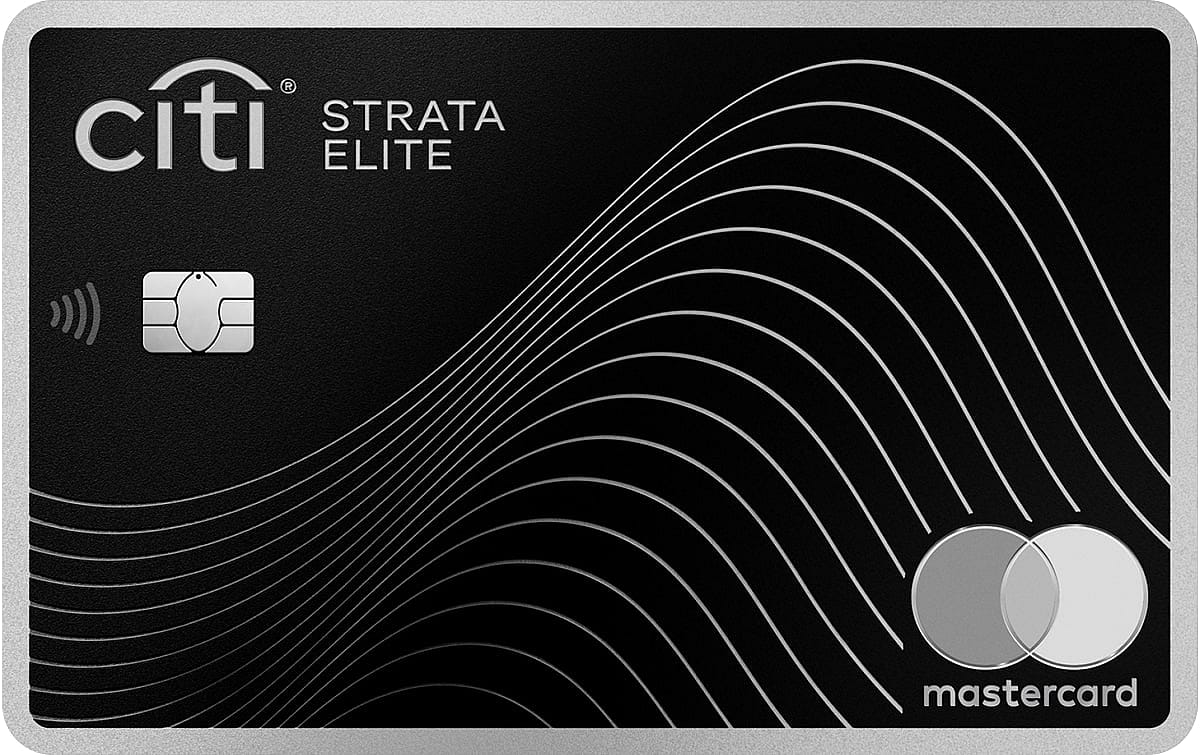
Ranked by SwitchWize's composite score. SwitchWize currently has no compensated product links.
Editorial review
What changed since the last update
Was this guide helpful?
Found an inaccurate, outdated, or missing claim? Report a correction. We verify reports against the relevant source before changing a guide or ranking.