- Combining points only moves value within one issuer's own program; it never lets you merge Chase points with an Amex balance.
- Chase and Citi both let two people pool into one account through their rewards portal; Amex explicitly does not allow this.
- The real payoff from combining is usually unlocking a premium card's transfer partners, not the balance itself.
Quick answer
Combining points means moving a balance from one card, or one person, into an account that can do more with it, almost always inside a single issuer's program. Chase Ultimate Rewards is the clearest example: points earned on a no-annual-fee Freedom card are worth one cent each on their own, but moved into an open Sapphire or Ink account, that same balance can transfer to airline and hotel partners where a portion of it is realistically worth more. Citi runs a similar combine feature between ThankYou accounts. Amex Membership Rewards does not support combining balances between people under any circumstance, so do not assume every issuer works the same way. Check your specific program's current rules before you count on pooling, since policies do change and a household definition at one issuer can mean something different at another. Understanding how to combine points across cards and household accounts requires checking your issuer's specific rules first.
How combining actually works
Two separate mechanics get lumped together under "combining points," and mixing them up leads to bad assumptions.
The first is moving balances between your own cards inside one program. If you hold a Chase Freedom card and a Chase Sapphire Preferred, Ultimate Rewards lets you shift the Freedom balance into the Sapphire account from the online rewards portal. The points themselves do not change value until you use them; what changes is which redemption options become available, because transfer partners are tied to the premium card, not to the points balance in isolation.
The second is household or multi-person pooling, where two different accountholders combine into one balance. Chase and Citi both offer this as a named feature in their respective rewards portals. Amex does not offer an equivalent for Membership Rewards. Airline and hotel loyalty programs each set their own rules too, and most do not let members simply merge mileage or point balances outside of purchased "buy points for a family member" options, which is a different transaction with its own cost.
Decision table
- Best next move
- Combine the no-fee card's balance into the premium account
- Why
- Unlocks transfer partners the smaller balance could not reach alone
- Best next move
- Combine into whichever person will actually redeem the points
- Why
- Consolidating avoids two small, harder-to-use balances
- Best next move
- Keep both balances separate and compare redemption options independently
- Why
- Assuming pooling exists when it does not can strand your planning
- Best next move
- Redeem for cash back or a statement credit instead
- Why
- A small guaranteed value beats holding out for an unreachable transfer redemption
- Best next move
- Redeem or transfer first, then combine, then close
- Why
- Combining into an account you are about to shut down risks losing everything
Worked example: combining before a transfer
A Freedom card holds 30,000 Ultimate Rewards points and a Sapphire Preferred holds another 30,000. Combined into the Sapphire account, that 60,000-point balance is worth roughly $600 cashed out at 1.0 cent each, closer to $1,080 transferred to a hotel partner for a typical weekend booking most travelers can actually find at 1.8 cents each, and as much as $1,500 in a best-case peak-season transfer at 2.5 cents each if award space happens to be open.
The combining step itself did not create this value. It made the higher end of the range reachable, because only the Sapphire account can transfer to partners in the first place.
Run your own combined total through the travel-rewards setup calculator before you move anything, since the achievable figure depends entirely on which partner and route you can actually book. A broader Money Map scan is also worth running if you are not sure whether optimizing points is the highest-value thing to fix in your finances right now.
Choose this if, skip it if
Combine your own cards if:
-
One of your cards can transfer to partners and the other cannot, and moving the balance changes what you can redeem.
-
You plan to keep the receiving account open long enough to actually use the points.
Combine with a household member if:
-
Your issuer explicitly supports it (verify in the rewards portal, not from memory of an old promotion).
-
One person will realistically do the booking, so consolidating avoids two undersized balances.
Skip combining if:
-
Your issuer does not offer it and you would be guessing at rules that do not exist.
-
Neither balance is close to a useful redemption even after combining.
Approval and account context
Combining a balance does not require a new credit application by itself. But keeping a premium transfer-enabled card open, which is usually what makes combining worthwhile, typically requires good to excellent credit for approval, and issuers evaluate each cardholder separately even when their points will later be pooled.
Fees, restrictions, and what can go wrong
In-program combining, whether between your own cards or with another accountholder, is typically free. The irreversible step is converting a combined balance into airline miles or hotel points at a transfer partner; once that transfer clears, it generally cannot be undone, so confirm the redemption is actually bookable before you convert. Some issuers also require the receiving account to remain open and in good standing at the time of any partner transfer, not just at the time you combined the balance, so timing matters if you are also considering closing or downgrading a card.
For more on protecting a balance around an account closure, read what happens to points when you close or downgrade a card. For the broader framework behind these numbers, see the Real Annual Value guide and how to maximize credit card rewards responsibly.
Pay-in-full versus revolver verdict
For someone who pays the statement balance in full, combining points before a transfer is a low-risk way to unlock more redemption options at no extra cost. For a revolver, the math changes: carrying a balance at the average card APR of 24.00% costs more per month than most point-value gains from combining, so pay down the balance with the credit card interest calculator before spending time optimizing where your points sit.
How we ranked
We compared combining options by whether the issuer actually documents the feature, how much redemption value it unlocks versus keeping balances separate, and how much irreversible risk the move carries once points leave the card program. We did not assume every issuer offers the same pooling rules.
Compensation disclosure: SwitchWize may earn a referral fee when you apply through partner links. Organic rankings are based on fit and value.
Sources
- CFPB credit card rewards guidance covers how rewards programs and account terms generally work.
- Chase Ultimate Rewards program terms describe current combine-points and transfer-partner rules.
- Federal Reserve consumer credit resources explain card agreements and account terms more broadly.
Terms referenced on this page were verified on July 10, 2026. Offers, fees, APRs, rewards, eligibility, and program rules can change. This article is educational information, not individualized financial advice.
Frequently Asked Questions
Can I combine points from two credit cards I own myself?
Can my spouse and I combine our points into one account?
Does combining points cost anything?
What happens if I later close the account I combined points into?
Is pooling worth doing for a small balance?
The 5-minute money briefing
One email per week. New rates, fed moves, and what to actually do about them.
No spam. Unsubscribe anytime.
Act on this: today's top cards


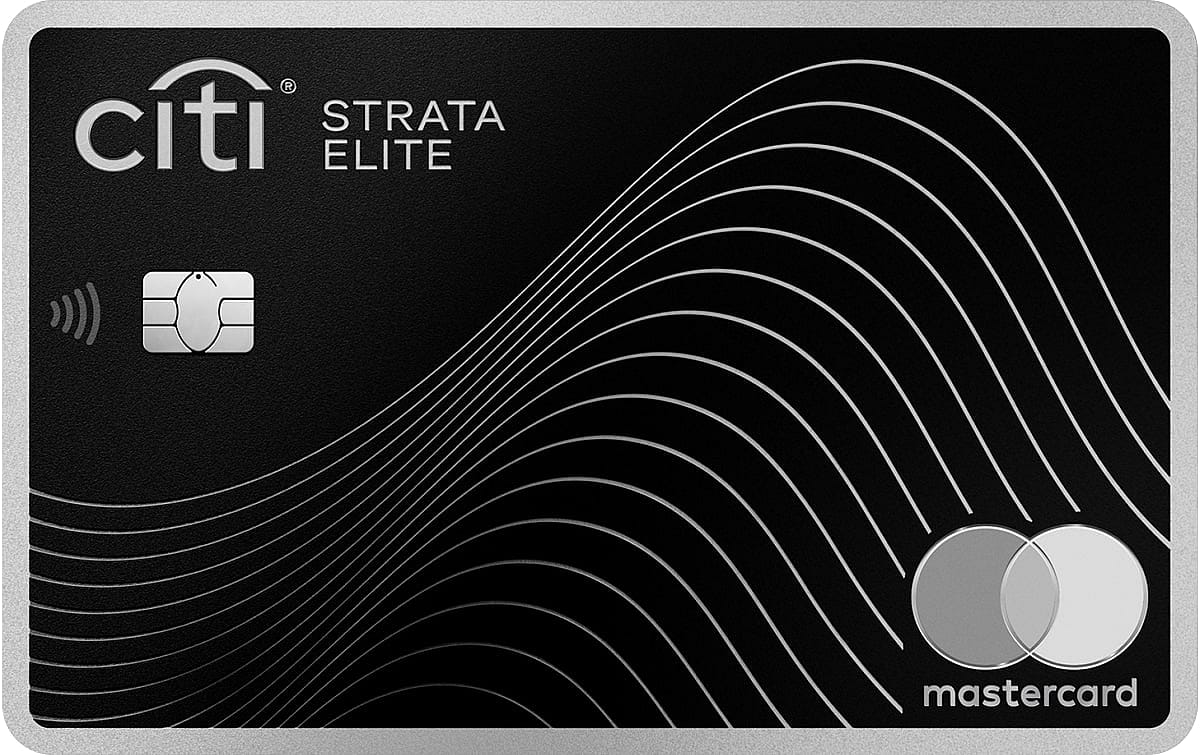
Ranked by SwitchWize's composite score. SwitchWize currently has no compensated product links.
Editorial review
What changed since the last update
Was this guide helpful?
Found an inaccurate, outdated, or missing claim? Report a correction. We verify reports against the relevant source before changing a guide or ranking.
