- A reconsideration line lets a person review a denial the automated system made, but only with new information.
- Have your income, issuer relationship, and denial reason ready before you dial.
- A volume-based denial from too many recent applications is the case a call almost never fixes.
Quick answer
A reconsideration call is a request for a human underwriter to review an automated denial, and it works best when you can add something the original application didn't capture, like income the system missed, a long-standing deposit relationship with the issuer, or a correction to a misreported detail. It rarely helps when the denial reason was a policy threshold, like too many cards opened in a short window, because that kind of decision is usually a rule, not a judgment call a phone representative can override. Before calling, know your denial reason if it was given, have your income and issuer relationship details ready, and call the number on your actual denial letter. For more guidance on this strategy, consult our credit card reconsideration call guide to maximize your chances of success.
SwitchWize confirmed the reconsideration-line details and issuer contact patterns described here on July 10, 2026. Reconsideration lines themselves are not standardized or federally mandated; they're an issuer courtesy, and phone numbers or staffing can change without notice, so use the number from your own denial letter rather than one copied from an old forum post. Capital One's application-status page shows one issuer's own published contact process for a denied application.
What a reconsideration line actually is
When an automated system denies an application, some issuers offer a phone line where an employee can review the file manually and ask follow-up questions. It exists because automated underwriting works from the data on your application and your credit file at that moment, and it sometimes misses context, like income from a source not listed, or a long relationship with the issuer through a checking or savings account. The call is not an appeal in a legal sense and not a negotiation; it's an opportunity to supply facts the system didn't have. If you haven't yet read your adverse action notice, start with what to do after a credit card denial, since the reason stated there determines whether this call is even worth making.
Decision table
- Worth calling?
- Yes
- Why
- New, verifiable income can directly change an income-based decision
- Worth calling?
- Usually not
- Why
- A representative generally can't override a volume-based policy rule
- Worth calling?
- Yes
- Why
- Representatives can sometimes weigh the relationship or reallocate existing credit lines
- Worth calling?
- Wait until you've read the notice first
- Why
- Calling blind wastes the one conversation you have; know what you're addressing
- Worth calling?
- No, dispute first
- Why
- Reconsideration can't fix a bureau data error; the dispute process can
What to have ready before you call
-
Your denial reason, if the notice stated it, or a note that you're calling to ask for it.
-
Total household income, including anything not listed on the original application, like a spouse's income or recent raise.
-
Any existing relationship with the issuer: checking, savings, another card, or years as a customer.
-
A calm, factual explanation, not a request to simply "make an exception."
One caller was denied for insufficient income; the original application only listed base salary, not a recent bonus and a spouse's income. Adding both on the call gives the representative new numbers to evaluate, and the account is approved before the call ends. A second caller was denied for opening four new cards in five months. There's no new fact to offer, since the decision was based on account volume, not income or credit depth, and the representative confirms the policy stands. The difference is not effort or tone; it's whether the call actually supplies information the system didn't already have.
When it's not worth calling
Skip the call if your denial reason is explicitly about the number of recent applications or new accounts, since that is typically an automated volume threshold and not something a representative reviews case by case. Also skip it if you don't have any new information to add beyond what the original application already contained; repeating the same facts to a different person rarely changes an outcome. If the notice points to a credit report error instead, a dispute with the credit bureau is the right next step, not a phone call to the issuer.
Pay-in-full versus revolver
Whether you pay in full or carry a balance doesn't change whether a reconsideration call is worth trying, since the call is about approval, not ongoing card cost. But if you're already carrying debt elsewhere, it's worth pausing before chasing this specific card at all: the live average card APR of 24.00% means a new rewards card rarely offsets existing interest costs. Run the credit card interest calculator to check the real number, and consider whether a Money Map scan of your full debt picture is a better use of the same phone call's worth of effort than chasing this particular card.
How we present this
We described reconsideration lines based on how they commonly function across issuers and on the one issuer-published process we could confirm directly, and we were explicit about which parts are official process versus widely reported applicant experience.
Compensation disclosure: SwitchWize may earn a referral fee when you apply through partner links. That relationship does not change our assessment of when a reconsideration call is or isn't worth making.
Sources
- Capital One's application-status page documents one issuer's current process for checking a decision or requesting more information after a denial.
- CFPB Regulation B, Section 1002.9 sets the notice and reasons an issuer must provide after a denial, which shapes what you're calling to clarify.
- Experian: what is a hard inquiry explains how the inquiry from your original application affects your file regardless of the call's outcome.
Terms referenced on this page were verified on July 10, 2026. Reconsideration-line availability and contact details vary by issuer and can change. This article is educational information, not individualized financial advice.
Frequently Asked Questions
What is a credit card reconsideration line?
What should I have ready before calling?
What are the realistic odds a reconsideration call works?
When is it not worth calling?
Is this different from the 'what to do after a denial' article?
The 5-minute money briefing
One email per week. New rates, fed moves, and what to actually do about them.
No spam. Unsubscribe anytime.
Act on this: today's top cards


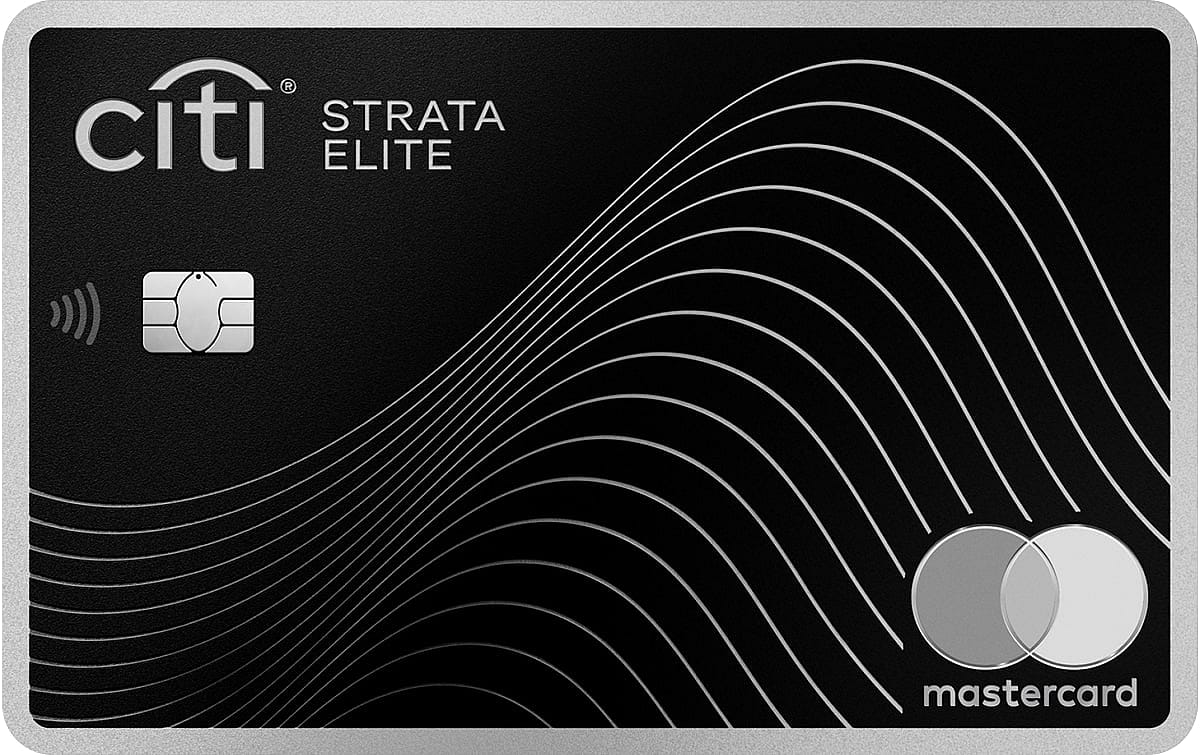
Ranked by SwitchWize's composite score. SwitchWize currently has no compensated product links.
Editorial review
What changed since the last update
Was this guide helpful?
Found an inaccurate, outdated, or missing claim? Report a correction. We verify reports against the relevant source before changing a guide or ranking.