How to choose
What to weigh before you pick
It usually comes down to 3 things. Compare your options on each before deciding.
What you earn on the spending you actually do.
The fee weighed against the rewards and credits you will use.
The intro offer and the spend required to earn it.
- Prequalification is a soft pull you request; preselection is a soft pull the issuer starts without being asked.
- Preapproval is firmer and may name real terms, but it still isn't a final decision.
- A hard pull only happens when you submit a real application, and that's the step that can still end in a denial.
Quick answer
Prequalification, preselection, and preapproval are not interchangeable, even though issuers use the words loosely. Prequalification is a soft pull you request yourself, usually through an issuer's own eligibility checker, and it never touches your score. Preselection, also called prescreening, is a soft pull the issuer runs on its own initiative using a bureau-purchased list, which is why an unsolicited offer with your name can show up in the mail. Preapproval sits closer to a real decision, often naming a specific credit line or rate, but it is still conditional. Every path ends the same way: a formal application triggers a hard pull and a full underwriting review, and any of the three can still result in a denial. Understanding the distinctions in preapproval vs prequalification vs preselection helps you navigate credit offers with realistic expectations.
This explainer reflects how issuers generally describe these terms as reviewed on July 10, 2026. Capital One publishes the clearest public description of its own preapproval process; other issuers use similar mechanics under different labels, so always read the specific page tied to the offer in front of you rather than assuming every issuer's version behaves identically. See Capital One's preapproval page for one issuer's current, published version of this process.
What each term actually means
Prequalification happens when you go to an issuer's site and ask, "Am I likely to be approved?" The issuer runs a soft pull against your file and gives you an estimate, often with a rate range. You initiated it, and it leaves no mark other issuers can see.
Preselection happens without you doing anything. The issuer buys a list from a credit bureau based on broad criteria, like score range or existing account types, and runs a soft pull against everyone on that list. A mailer or in-app banner calling you "preselected" or "prequalified" came from this process, not from something you asked for.
Preapproval is the label issuers increasingly use for a stronger version of either process, one where the offer names an actual credit line, APR, or bonus. It is more predictive than a generic preselection, but the word "preapproval" is not a regulated term with one fixed meaning, so treat the specific terms shown as the real signal, not the label itself.
Decision table
- What it actually is
- Consumer-initiated soft-pull prequalification
- What it does NOT mean
- Not a guarantee; a hard pull still happens at real application
- What it actually is
- Issuer-initiated prescreen off a bureau list, a soft pull you didn't request
- What it does NOT mean
- Not evidence you'll be approved; the issuer's criteria may not match full underwriting
- What it actually is
- A firmer preapproval signal, closer to final terms
- What it does NOT mean
- Not final; income, identity, and current debt are re-verified
- What it actually is
- A separate consumer opt-out right, not related to prequalification tools
- What it does NOT mean
- Opting out doesn't disable an issuer's own eligibility checker
- What it actually is
- A direct application with an immediate hard pull
- What it does NOT mean
- Skips a free, no-risk signal for no real benefit if a soft-pull tool exists
Do this / Don't do this
Do this:
-
Use an issuer's own prequalification tool before applying when one is available; it costs you nothing and gives you a real signal.
-
Read the specific terms on a preapproval or preselected offer, not just the headline word, since the named credit line or rate is the part that matters.
-
Apply through the matching offer link when the terms look right, so the terms you saw are the ones actually underwritten.
Don't do this:
-
Don't treat a preselected mailer as evidence you'll be approved; the issuer bought a list, it didn't review your current file in depth.
-
Don't assume a stale mailer's terms still apply months later; rates and credit lines shown on preapproval offers can change or expire.
-
Don't apply to several issuers at once just because you got multiple unsolicited offers in the same week; each formal application still counts as a hard pull.
A realistic sequence, not three separate offers
A mailer arrives calling you "preselected." You didn't request it; it came from the issuer's own soft pull against a bureau list. You then visit the issuer's site and run its prequalification tool yourself, a second, separate soft pull, and it comes back with a rate range. If that same tool instead shows specific terms, like a $5,000 credit line, most issuers now label that stronger signal preapproval. Only when you click apply and submit the formal application does the issuer run a hard pull and re-check your current income, identity, and existing debt. Any step before that one can look favorable and still end in a decline.
Run the numbers on a real offer using SwitchWize's card comparisons, and if you're not sure a new card is even the right move right now, a Money Map scan can show whether debt payoff or savings has a bigger dollar impact than chasing another approval.
Approval and credit-tier context
Applicants across a wide range of credit tiers can receive prescreened or preselected mail, since issuers buy bureau lists using broad criteria rather than excellent-credit-only filters. Prequalification tools tend to be more individually predictive, since they check your specific file at that moment rather than a list criterion. None of the three should be read as a substitute for your own credit score; the strongest true signal of where you stand is your own credit report, not an offer letter.
Fees, exclusions, and timing traps
A preselected or preapproved offer's terms are tied to a snapshot in time. If weeks or months pass between when you received it and when you apply, the issuer's underwriting can reflect a different credit file than the one the offer was based on. Checking prequalification at several issuers in the same sitting doesn't hurt your score, since each check is a soft pull, but formally applying to several of them close together does add up as hard inquiries; see how long to wait between credit card applications for that tradeoff.
Pay-in-full versus revolver
If you pay your statement balance in full, the difference between these three labels mostly affects how much friction you go through before applying, not the underlying math of the card itself. If you carry a balance, none of this changes the more important number: the live average card APR of 24.00% applies once you carry debt, regardless of whether you arrived at the card through prequalification, preselection, or preapproval. In that case, run the credit card interest calculator and prioritize a lower-APR card or a balance transfer over chasing the friendliest-looking offer.
How we present this
We described prequalification, preselection, and preapproval based on how issuers and federal consumer-protection sources define each process, not on marketing copy from any single card offer. Where an issuer's own language differs from common usage, we noted it rather than picking whichever version reads more favorably.
Compensation disclosure: SwitchWize may earn a referral fee when you apply through partner links. That relationship does not change how we describe issuer processes or terms.
Sources
- Capital One's preapproval page describes one issuer's own current preapproval and eligibility-check process.
- CFPB credit card resources cover how credit card terms, applications, and consumer rights work.
- OptOutPrescreen.com is the official, bureau-run service for opting out of prescreened and preselected credit offers.
Terms referenced on this page were verified on July 10, 2026. Offers, fees, APRs, and eligibility criteria can change. This article is educational information, not individualized financial advice.
Frequently Asked Questions
Does checking if I'm prequalified hurt my credit score?
If I'm preapproved, am I guaranteed to get the card?
How do I stop getting preselected credit card offers in the mail?
Why did I get denied after seeing a preapproved offer?
Is a firm offer of credit the same as a preapproval?
The 5-minute money briefing
One email per week. New rates, fed moves, and what to actually do about them.
No spam. Unsubscribe anytime.
Act on this: today's top cards


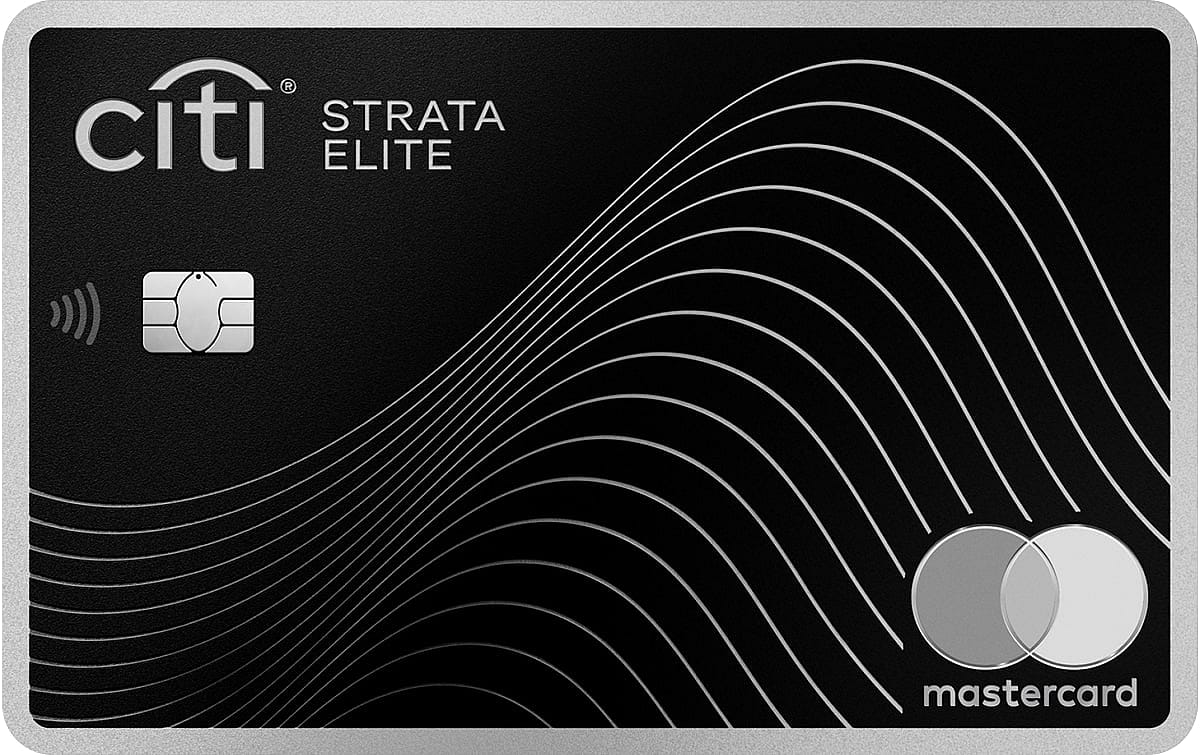
Ranked by SwitchWize's composite score. SwitchWize currently has no compensated product links.
Editorial review
What changed since the last update
Was this guide helpful?
Found an inaccurate, outdated, or missing claim? Report a correction. We verify reports against the relevant source before changing a guide or ranking.
