- No major issuer publishes an exact 'you're denied after X applications' number; what circulates online is pattern-matching from applicant reports, not issuer policy.
- Chase, American Express, and Capital One each appear to weigh application velocity differently, so a rule learned from one issuer shouldn't be assumed to apply at another.
- Always check the issuer's own current terms before applying; unofficial rules can lag real underwriting changes by months.
Quick answer
Application rules differ by issuer, and almost none of the specific numbers you'll read online are actually published by the bank enforcing them. Chase is widely cited for a five-cards-in-24-months threshold. Capital One is reported to weigh recent hard inquiries and new accounts heavily, with less public detail. American Express documents welcome-bonus eligibility more clearly than its general approval logic. None of these numbers appear in a cardmember agreement, so treat them as informed patterns, not guarantees. Before applying anywhere, check that issuer's current terms, count your own recent account openings across every issuer, and remember that carrying a balance anywhere at the average 24.00% APR matters more than optimizing which card approves you next. Understanding these credit card application rules by issuer helps you plan strategically without relying on unverified online claims.
This comparison reflects publicly available issuer terms and cardholder-reported patterns as they stood on July 10, 2026. None of the velocity numbers discussed below are printed in an issuer's cardmember agreement, and issuers can quietly adjust their underwriting without updating any public page. Review each issuer's own current eligibility language directly: Chase card terms, American Express card terms, and Capital One card terms.
Decision table
- Best move
- Apply to non-Chase issuers first, or wait, before applying to Chase
- Reasoning
- Chase's widely reported velocity rule counts accounts from every issuer, not just its own
- Best move
- Check whether you've held that exact card before
- Reasoning
- Amex's bonus-eligibility rule is more clearly documented than its general approval logic
- Best move
- Space out the application by a few months if possible
- Reasoning
- Capital One is reported to weigh recent inquiries and new accounts heavily
- Best move
- Check the issuer's current terms page, not a forum post
- Reasoning
- Unofficial rules change without any public notice
- Best move
- Call the issuer's reconsideration line before reapplying
- Reasoning
- A phone review can sometimes surface details an online rule doesn't account for
For Chase specifically, see the Chase 5/24 rule explained for the full mechanics.
What a misjudged application actually costs
Opening three cards in one week to chase $600 in combined bonuses can backfire if even one produces a hard inquiry with no approval. Two inquiries plus zero bonus value is a worse outcome than one well-timed application that clears. The auditable number is approved bonus value minus inquiries, fees, and any interest risk, not the number of applications submitted.
Before applying anywhere, preapproval vs. prequalification vs. preselection explains which of those checks actually protects your score from an unnecessary hard inquiry.
Apply now, wait, or skip entirely
Apply now if:
-
Your account-opening count from any issuer over the past 24 months is comfortably low.
-
You've confirmed the issuer's current written terms don't explicitly exclude you.
Wait or apply to a different issuer if:
-
You're near or above a widely reported threshold like Chase's five-in-24-months pattern.
-
You need the approval for a specific near-term purchase and can't afford a denial's hard inquiry.
Skip applying anywhere new if:
- You're already carrying a balance you haven't budgeted to pay down; a new card doesn't fix that.
Timing traps that aren't about the headline rule
Applying to multiple issuers in a short window can trigger multiple hard inquiries even if none of them technically violate a specific issuer's velocity rule, and a cluster of inquiries can itself lower approval odds elsewhere. Closing an old account right before applying can also reduce your available credit and raise your utilization ratio, which hurts you at every issuer, not just the one you're applying to. Check the credit utilization impact calculator before stacking applications close together or closing an old account.
Why the approval question matters less if you're revolving
None of these approval rules matter much if you're already revolving debt. A denied application costs you a hard inquiry; an existing balance at 24.00% costs you real interest every month it sits there. Use the credit card interest calculator to compare, and prioritize paying that down before optimizing which issuer to apply to next. A Money Map scan can also show whether a card application is even the highest-value move available to you right now.
Credit tier still matters more than any velocity rule
Even a perfectly timed application fails if your score, income, or existing debt doesn't clear the issuer's baseline. Good to excellent credit is the realistic range for most rewards cards discussed here; read the credit score guide for what separates the tiers. If you were recently denied, what to do after a credit card denial and the reconsideration call guide cover next steps in more depth than this article does. And if timing between applications is your main question, how long to wait between credit card applications goes further than the general guidance here.
How we vetted these rules
We cross-checked widely cited velocity patterns against each issuer's own published terms pages and CFPB guidance, and we labeled anything not explicitly stated by the issuer as observed rather than official. We did not present forum consensus as confirmed policy anywhere in this article.
Compensation disclosure: SwitchWize may earn a referral fee if you apply through a partner link here. That does not change how we've labeled which rules are official versus observed.
Sources
- CFPB: shopping for a credit card explains general approval factors and consumer rights.
- Chase card terms is the issuer's own current eligibility and product language.
- American Express card terms is the issuer's own current eligibility and bonus language.
Terms referenced on this page were verified on July 10, 2026. Application rules, eligibility language, and underwriting practices can change by issuer without notice. This article is educational information, not individualized financial advice.
Frequently Asked Questions
Are these issuer application rules official policy?
Can one issuer's rule affect an application at a different issuer?
Does a strong existing relationship override these unofficial rules?
Where can I find an issuer's actual written eligibility terms?
How often do these unofficial rules change?
The 5-minute money briefing
One email per week. New rates, fed moves, and what to actually do about them.
No spam. Unsubscribe anytime.
Act on this: today's top cards


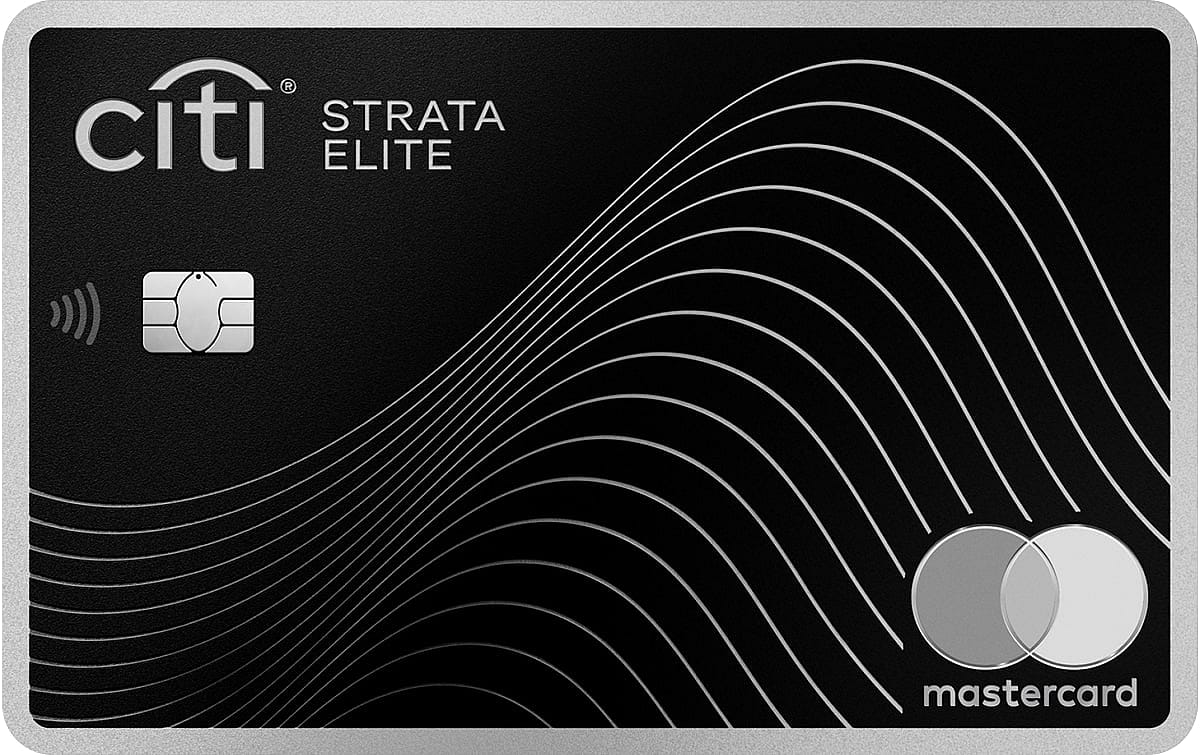
Ranked by SwitchWize's composite score. SwitchWize currently has no compensated product links.
Editorial review
What changed since the last update
Was this guide helpful?
Found an inaccurate, outdated, or missing claim? Report a correction. We verify reports against the relevant source before changing a guide or ranking.
