- No issuer publishes one universal waiting period; three to six months is a commonly observed, not official, range.
- A hard inquiry stays on your report for about two years but usually stops affecting your score within about a year.
- The right wait depends more on your recent application count and any near-term loan plans than on a fixed calendar rule.
Quick answer
There's no single safe number of months between credit card applications that applies to every issuer or every applicant. A rough three-to-six month gap keeps most approval odds intact for most people, but issuers weigh recent applications differently, and your own file matters more than any generic rule. If you've opened several cards in the past few months, wait longer. If you're planning a mortgage or auto loan soon, pause new applications until that loan closes, since lenders scrutinize recent inquiries and new accounts closely. If neither applies to you and a bonus is worth it, applying now is usually fine, because a single hard inquiry is a minor, temporary event, not a lasting mark against you. The bottom line on how long to wait between credit card applications depends on your personal circumstances, not a universal timeline.
SwitchWize checked the guidance below against current issuer statements and consumer-credit sources on July 10, 2026. The specific spacing numbers in this article come from widely reported applicant experience, not a published issuer rulebook, and we've labeled them that way throughout rather than presenting them as official policy. Chase's own article on how many credit cards to have confirms that opening multiple accounts quickly can affect your score, without publishing a specific number of months.
Say you open one card in January for a bonus, then a second in March for a different bonus. By April, you have two hard inquiries within three months plus two new accounts, both fresh on your file. If you then apply for a mortgage in June, the lender sees two recent new accounts and two recent inquiries, which can factor into both your score and the lender's manual risk review. Waiting until at least mid-summer for the next card application, and ideally until after the mortgage closes, avoids stacking that risk on top of the loan that matters most.
Decision table
- Reasonable move
- Apply now
- Why
- The score impact is minor, and issuers see a thin recent-inquiry history
- Reasonable move
- Wait at least 3 to 6 months before the next application
- Why
- Multiple recent inquiries and new accounts read as elevated risk to most issuer models
- Reasonable move
- Pause new card applications now
- Why
- Lenders review recent inquiries and new accounts closely before approving a bigger loan
- Reasonable move
- Check Chase's 5/24 pattern before applying
- Why
- Chase's own velocity behavior is different from the general spacing guidance here
- Reasonable move
- Standard spacing guidance applies loosely
- Why
- Aged, established files tend to tolerate an occasional application better than thin files
Choose to apply now if, wait if
Apply now if:
-
You've had zero or one hard inquiry in the past year.
-
No mortgage, auto loan, or lease application is likely in the next six to twelve months.
-
The bonus or rate genuinely fits how you already spend.
Wait if:
-
You've opened two or more accounts in the past three to six months.
-
You're actively shopping for a mortgage, auto loan, or lease, even informally.
-
You're not sure why you want the card beyond "a good offer showed up."
What a hard inquiry actually does
Every formal credit card application generates a hard inquiry, which is different from the soft pulls used for prequalification or preselection; see preapproval vs. prequalification vs. preselection for that distinction. A hard inquiry stays on your credit report for about two years, but the part that affects your score fades much faster, typically within about 12 months, and the hit itself is usually just a few points. The bigger risk from applying too often isn't any single inquiry; it's the pattern of several new accounts and inquiries clustering together, which several issuers' underwriting models weigh directly, separate from your raw credit score.
Pay-in-full versus revolver
For someone who pays the statement balance in full, spacing applications is mostly about protecting approval odds and keeping your credit file clean before a bigger loan. If you're carrying a balance, the math changes: a new card's rewards or bonus rarely offset the cost of revolving debt at the live average card APR of 24.00%. In that case, applying for another card is usually the wrong move entirely, and paying down the existing balance should come first.
Fees, exclusions, and timing traps
Some issuers, not just Chase, use undisclosed internal velocity thresholds that count new accounts across a rolling window, not just your credit score. A denial for "too many recently opened accounts" can happen even with an excellent score, since that reason is often unrelated to your creditworthiness. See what to do after a credit card denial if that happens, and credit card application rules by issuer for a broader look at how different issuers approach this.
How we present this
We drew the spacing ranges in this article from patterns widely reported by applicants and from what issuers themselves disclose about weighing recent applications, and we kept those two categories clearly separate rather than blending them into one confident number.
Compensation disclosure: SwitchWize may earn a referral fee when you apply through partner links. That relationship does not change the spacing guidance above.
Sources
- Chase: how many credit cards should you have discusses how opening multiple accounts quickly can affect approval and credit score.
- Experian: what is a hard inquiry explains how long a hard inquiry stays on your report versus how long it affects your score.
- CFPB credit reports and scores covers how credit applications and inquiries factor into your credit file.
Terms referenced on this page were verified on July 10, 2026. Issuer policies and underwriting practices can change without notice. This article is educational information, not individualized financial advice.
Frequently Asked Questions
Is there an official rule for how long to wait between credit card applications?
How long does a hard inquiry actually hurt my credit score?
Should I apply now for a bonus, or wait to protect my odds?
Does this article cover Chase's 5/24 rule?
Do prequalification checks count toward how many applications I've made?
The 5-minute money briefing
One email per week. New rates, fed moves, and what to actually do about them.
No spam. Unsubscribe anytime.
Act on this: today's top cards


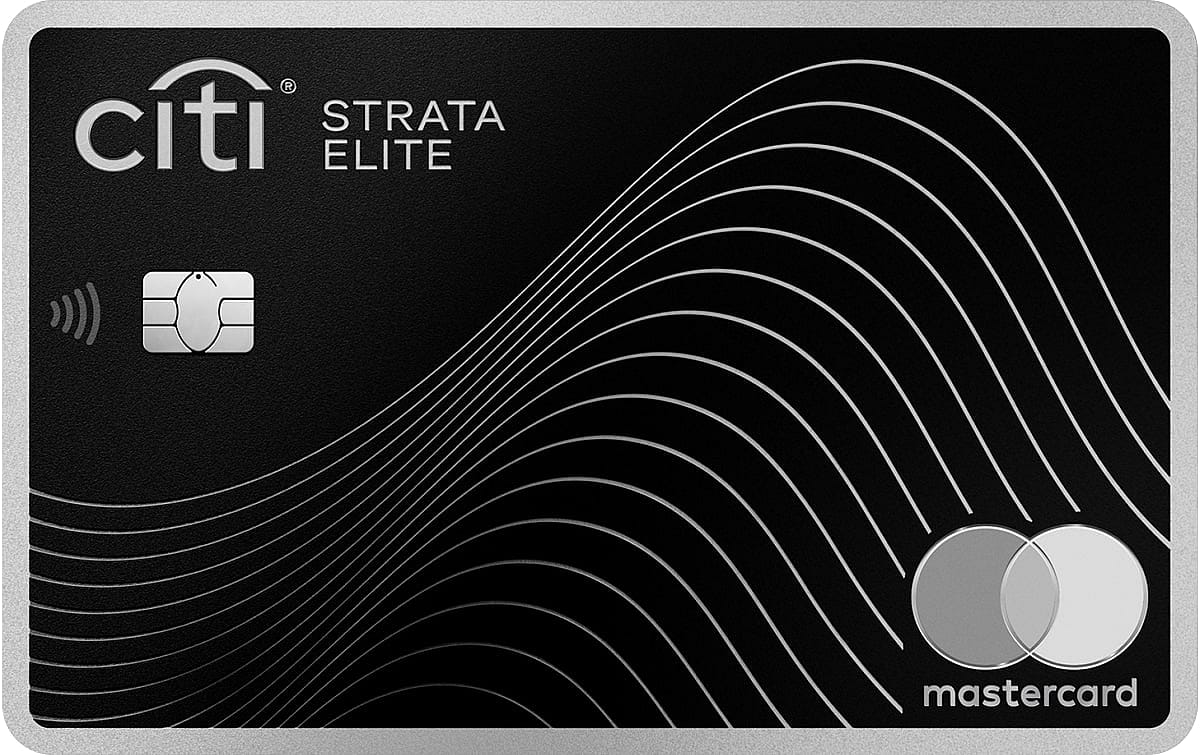
Ranked by SwitchWize's composite score. SwitchWize currently has no compensated product links.
Editorial review
What changed since the last update
Was this guide helpful?
Found an inaccurate, outdated, or missing claim? Report a correction. We verify reports against the relevant source before changing a guide or ranking.
