- A flat 2% card is the lowest-effort cash-back option: no rotating categories, no activation, no spending caps to track.
- The advertised 2% sometimes requires a linked bank account or splits across purchase and payment, so the headline rate isn't always the real rate.
- This is a different tool than a 5% rotating-category card: lower ceiling, far less management, and no risk of missing an activation window.
Quick answer
If you want one card that earns a solid rate on everything without any tracking, a true, unconditional 2% cash-back card with no annual fee is the simplest answer. On $20,000 of yearly spending that's $400 back, no activation windows, no category caps, no spreadsheet. The catch is that "2%" isn't always what it looks like: some cards split the rate between purchase and payment, some only hit 2% if you hold a checking or brokerage account at the same bank, and some cut your rate or forfeit rewards if you fall delinquent. This is intentionally the low-effort, lower-ceiling option. If you're willing to track rotating categories for a higher return in your top spending months, our best 5% cash-back guide covers that tradeoff instead. For a complete comparison of options, our guide to the best 2% cash-back credit cards 2026 evaluates which cards deliver true value without hidden conditions.
Decision table
- Best next move
- An unconditional 2% card with no annual fee
- Why
- No activation, no caps, no linked-account requirement to track
- Best next move
- Compare its bank-relationship 2% card against a standalone option
- Why
- The bonus rate only helps if you're comfortable keeping funds there anyway
- Best next move
- Estimate your actual bonus-category spend before switching
- Why
- The 5% card only wins in its active categories; 2% wins on everything else
- Best next move
- Confirm the issuer's delinquency and forfeiture policy
- Why
- Some cards drop your rate or cancel unredeemed rewards after a missed payment
- Best next move
- Check for a foreign transaction fee before relying on this card abroad
- Why
- A 2.7%-ish fee can erase most of a 2% reward on the same purchase
- Best next move
- Check the redemption minimum and method first
- Why
- Some cards restrict cash-out to a minimum balance or statement credit only
Worked example: what 2% actually adds up to
$20,000 of eligible purchases earns $400 a year at a true 2% rate versus $300 at 1.5%, a $100 gap. That $100 is the most you should be willing to pay in extra complexity, annual fees, or account-opening hassle to chase the higher rate. If a bank-relationship card requires opening and maintaining an account you wouldn't otherwise want, weigh that inconvenience against a plain $100 a year before switching.
Check the Rewards Gap tool to see whether your current card is quietly earning less than the flat 2% you assumed.
Choose this if, skip it if
Choose an unconditional 2% card if:
- You want one card and no ongoing management.
- You don't already bank somewhere that offers a bonus rate to account holders.
- You pay your statement balance in full every month.
Choose a bank-relationship 2% card if:
- You already hold, or are happy to open, a qualifying account at that institution.
- The full 2% genuinely requires no behavior change beyond what you already do.
Skip 2% entirely and consider a rotating 5% card if:
- A large share of your spending concentrates in categories that rotate quarterly, like groceries or gas.
- You're comfortable tracking activation dates and spending caps for the higher ceiling.
Redemption rules, forfeiture risk, and fees
Confirm three things before applying: whether the 2% is truly unconditional or split between purchase and payment, whether there's a redemption minimum or a restriction to statement credits only, and whether the issuer reduces your rate or forfeits unredeemed rewards if your account becomes delinquent. None of these are visible from the advertised headline rate, and they matter more for a "simple" card than for a rewards card you're actively optimizing, because the whole appeal of a flat-rate card is not having to read the fine print twice.
Most flat-rate 2% cards fit good-to-excellent credit applicants; approval and the exact rate on offer are never guaranteed by a score alone.
Pay-in-full versus revolver verdict
Everything above assumes you clear your statement balance each month. If you carry a balance instead, a 2% reward rate is not close to enough to offset a typical ongoing APR: the 24.00% average card rate will cost more per month in interest than a 2% card earns back on realistic spending. In that case, start with our best low-interest credit cards guide instead, and revisit cash-back cards once the balance is cleared.
For the broader cash-back decision, including whether flat-rate is even the right shape for you, see our cash-back hub guide and cash back versus travel rewards.
How we ranked
We ranked these options by whether the advertised rate is genuinely unconditional, redemption flexibility, delinquency and forfeiture terms, foreign transaction fee exposure, and any account-linking requirement, not by the headline percentage alone. A card advertising 2% with hidden conditions ranked below a plainer 1.5% to 1.8% card with fewer strings attached.
Compensation disclosure: SwitchWize may earn a referral fee if you apply through a partner link on this page. That relationship does not change the ranking above.
Sources
- CFPB consumer credit card market report covers how rewards structures, redemption rules, and forfeiture terms vary across issuers.
- CFPB credit card cost guidance explains how fees and account requirements affect the real value of a rewards card.
Terms referenced on this page were verified on July 10, 2026. Offers, fees, APRs, rewards, eligibility, and program rules can change. This article is educational information, not individualized financial advice.
What to Do Now
Frequently Asked Questions
Is a 2% cash-back card better than a 5% rotating-category card?
Why isn't my card actually paying 2% on everything?
Is there a minimum I need to redeem cash back?
Can I lose my cash back if I pay late?
What credit score do I need for a good 2% card?
The 5-minute money briefing
One email per week. New rates, fed moves, and what to actually do about them.
No spam. Unsubscribe anytime.
Act on this: today's top cards


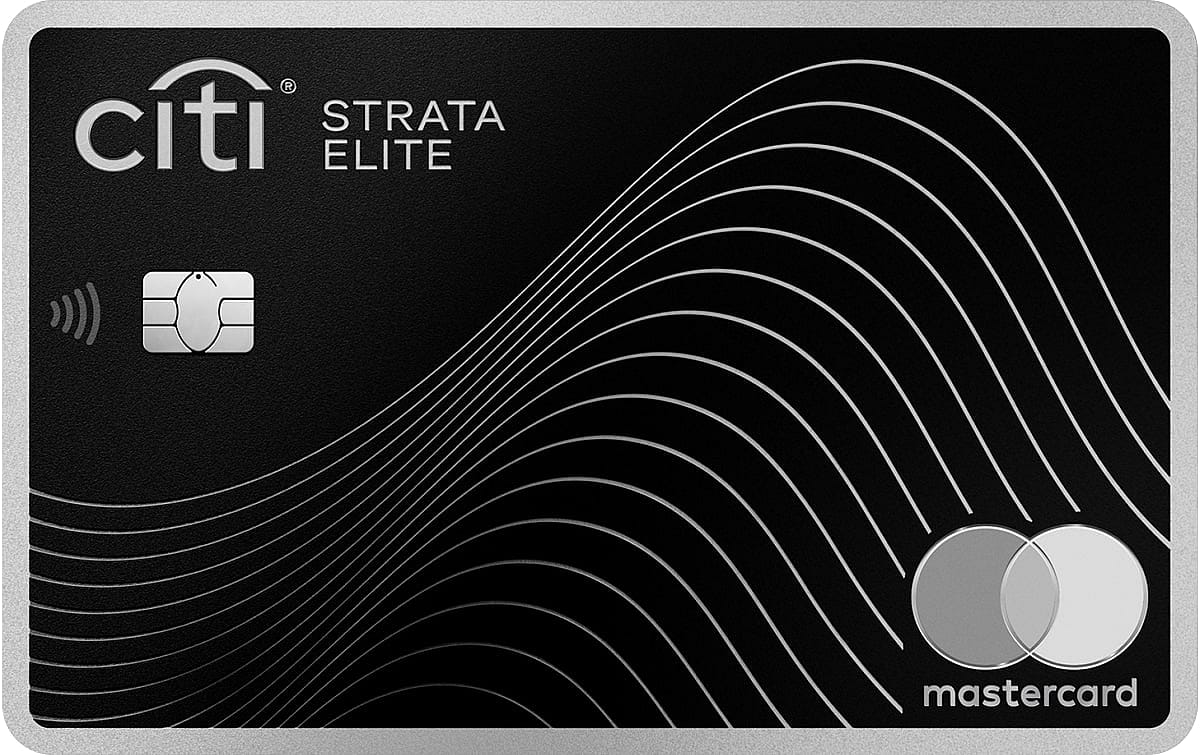
Ranked by SwitchWize's composite score. SwitchWize currently has no compensated product links.
Editorial review
What changed since the last update
Was this guide helpful?
Found an inaccurate, outdated, or missing claim? Report a correction. We verify reports against the relevant source before changing a guide or ranking.
