- Stacking works only when the card's base rate, the portal cashback, and the card-linked offer are genuinely independent of each other.
- The portal layer is the least reliable of the three; it can fail silently and needs its own verification step.
- Stacking rarely changes your everyday card choice. It mostly matters for planned, larger one-off purchases.
Quick answer
Stacking means combining three separate discounts on one purchase: your card's base rewards rate, a cashback shopping portal's own commission share, and a card-linked merchant offer such as an Amex Offer or Chase Offer added to the card before you buy. None of the three replaces the others, and none is guaranteed to post. On a $300 purchase, a flat 2% card might earn $6, a 3% portal might add $9, and a targeted card-linked offer worth $20 could add the rest, for $35 total if every layer tracks. The portal layer is the one most likely to fail: ad blockers, extra tabs, and coupon-site detours can break the tracking cookie before the sale registers. Treat the card reward as guaranteed and the other two as a bonus you confirm afterward. Understanding how to stack credit card rewards shopping portals and card-linked offers requires patience and verification of each discount layer.
A flat 2% card earns $6. A 3% shopping portal adds $9, assuming the click-through tracks. A targeted card-linked offer worth $20 on a $250 minimum spend adds the rest, for $35 total, close to 12% back. If the portal cookie fails to register, the same purchase nets $26 instead, the card and offer layers only.
Decision table
- What to do
- Check the portal and your offer inbox before checkout
- Why
- There is no downside to checking; the card reward posts either way
- What to do
- Click through anyway, in the same tab, before finishing the order
- Why
- A missed click-through cannot be added back after the sale in most portal programs
- What to do
- Skip the offer instead of buying extra items
- Why
- Overspending to trigger a credit usually costs more than the credit is worth
- What to do
- File a missing-cashback claim with your order confirmation
- Why
- Portals generally require proof of the click-through time and order details
- What to do
- Count the purchase as card-reward-only in your math
- Why
- Returns often reverse portal and offer credits before you get to spend them
Stack all three layers if, skip a layer if
Stack all three layers if:
-
You already planned the purchase regardless of any bonus.
-
The merchant is listed as eligible in both the portal and offer terms.
-
You can click through the portal in one tab, right before checkout, with no coupon-site detour.
Skip the portal or offer layer if:
-
You are not sure the item is staying purchased.
-
The only way to hit a card-linked offer's minimum is buying something you do not need.
-
You are still comparing prices across retailers, since a broken portal cookie can quietly erase the reason you picked one seller over another.
Pay-in-full versus revolver verdict
If you pay the statement balance in full, the stacked total is close to what you actually keep, minus anything that fails to post. If you carry a balance, none of the three layers matter until the balance is gone. The average card APR of 24.00% costs far more per month than a portal or offer credit is worth. Clear the balance first, then treat stacking as a bonus on a card you would already carry.
Approval, fees, and exclusions
Card-linked offer programs attach to an account you already hold, so they need no new application and no particular credit tier. Shopping portals have no credit requirement at all. The only tier question is whether the card generating the base reward fits your spending, which is a separate decision from stacking itself.
Shopping portals commonly exclude gift cards, some subscription renewals, and purchases routed through a linked app instead of the direct portal link. Card-linked offers typically cap the credit, apply once per card, and expire 30 to 90 days after they appear. A merchant's category code also has to match what the card expects, or the base reward layer can fall short too.
For how the individual issuer programs actually work, read Amex Offers, Chase Offers, and Citi Merchant Offers explained. If the dollars at stake in a stacking decision feel small next to a bigger question, a Money Map scan can show whether that same hour is better spent on debt payoff or a savings check instead.
How we ranked
We compared the three options by expected dollar return, the number of steps that can silently fail, and how much of the total depends on a purchase you would have made anyway. We did not rank the full stack highest just because its headline total is largest.
Compensation disclosure: SwitchWize may earn a referral fee when you apply through partner links. Organic rankings are based on fit and value.
Sources
- CFPB credit card cost guidance explains how rewards, fees, and interest interact on a card statement.
- FTC online shopping guidance covers how cashback portals and online offers are supposed to disclose terms.
Terms referenced on this page were verified on July 10, 2026. Offers, fees, APRs, rewards, eligibility, and program rules can change. This article is educational information, not individualized financial advice.
Frequently Asked Questions
Can I really stack a card reward, a shopping portal, and a card-linked offer on one purchase?
Why did my shopping portal cashback not show up?
Does stacking change which card I should use every day?
What happens if I return the item?
The 5-minute money briefing
One email per week. New rates, fed moves, and what to actually do about them.
No spam. Unsubscribe anytime.
Act on this: today's top cards


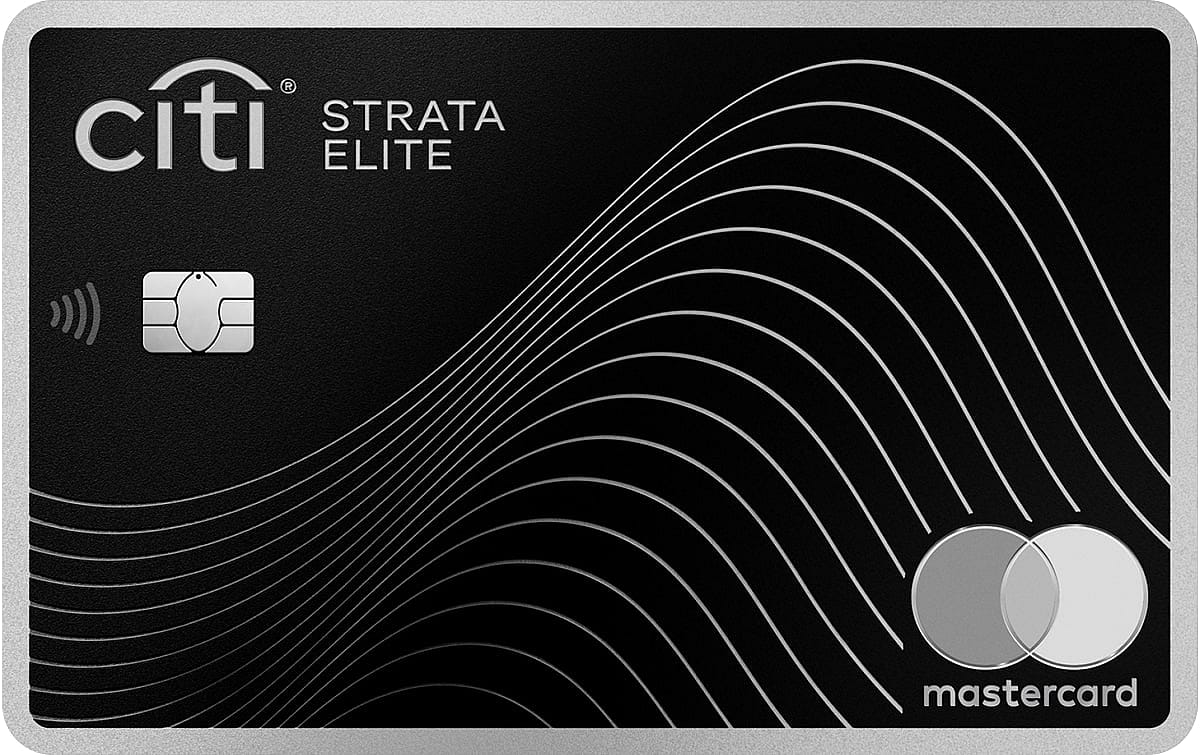
Ranked by SwitchWize's composite score. SwitchWize currently has no compensated product links.
Editorial review
What changed since the last update
Was this guide helpful?
Found an inaccurate, outdated, or missing claim? Report a correction. We verify reports against the relevant source before changing a guide or ranking.