- Many issuers exclude gift card purchases from bonus categories entirely, so the expected reward is often zero, not a reduced rate.
- A lost or stolen physical gift card has almost no recourse; it functions like cash once it leaves your hands.
- Buying gift cards mainly to chase a bonus or hit a spend threshold usually fails on both the reward and the risk side.
Quick answer
Gift cards are worth buying with a rewards card when you already plan to spend at that merchant and your issuer's terms do not exclude the purchase from rewards. They are usually not worth buying as a way to chase a bonus category or pad toward a welcome offer's minimum spend, because most issuer terms classify gift cards as cash-equivalent purchases and exclude them from category bonuses, and some also exclude them from bonus spend calculations entirely. The bigger risk is not the missed reward. A physical gift card lost, stolen, or drained by a scam has essentially no recourse, since it behaves like cash rather than a card purchase with chargeback protection. Buying gift cards for planned, near-term use at a merchant you trust is reasonable. Buying them as a rewards strategy on their own usually is not. Understanding gift card purchases rewards and risk helps you decide whether the modest earnings justify potential fraud or loss exposure.
A cardholder buys $500 in gift cards on a card advertising 5% back, expecting $25. The issuer's terms exclude gift card purchases from the bonus category, so the actual earn is the 1% base rate, $5. One of the cards is later lost before use. The $50 balance on it is gone, turning an expected $25 gain into a net loss of roughly $45.
Decision table
- What to do
- Buying the gift card is reasonable
- Why
- The purchase would have happened anyway; you are just prepaying it
- What to do
- Skip it or verify the exclusion first
- Why
- Most issuer terms exclude gift cards from category bonuses, so the expected reward may be zero
- What to do
- Check the terms before counting on it
- Why
- Cash-equivalent purchases frequently do not count toward minimum spend either
- What to do
- Break it into smaller, spaced purchases if possible
- Why
- Large one-time gift card buys are more likely to trigger a fraud or manufactured-spend review
- What to do
- Photograph or register it immediately
- Why
- A lost physical card usually cannot be replaced or refunded
Buy the gift card if, skip it if
Buy the gift card if:
-
You already intend to spend at that specific merchant within a reasonable time.
-
The dollar amount is one you would not be devastated to lose.
-
You are not relying on it to hit a bonus category or a welcome-offer threshold.
Skip the gift card if:
-
The only reason to buy it is to chase a bonus rate or spend threshold.
-
You would be buying a larger amount than you would normally carry as cash.
-
You have no near-term plan to actually use the merchant.
Pay-in-full versus revolver verdict
For someone who pays the statement in full, the worst case on a planned gift card purchase is losing the card's value, which is a real but bounded risk. For a revolver, gift card purchases are close to the least defensible use of card debt: the average card APR of 24.00% means financing a gift card purchase can cost more in interest than the card is worth, on top of the loss risk. Pay down revolving balances before treating gift cards as a reward tactic.
Approval, fees, and exclusions
Gift card risk does not change by credit tier. A premium rewards card is not safer to use for large gift card purchases than an entry-level one, and some premium issuers actively monitor gift card spending more closely because of its association with manufactured spend. Open-loop gift cards, the kind usable at many merchants rather than one store, sometimes carry an activation fee that reduces the purchase's value before any reward is even considered.
For related traps in the same purchase, see why a purchase's merchant category code can quietly change what a gift card store earns, and how stacking a portal or card-linked offer usually excludes gift card purchases as well. If gift cards are part of a broader plan to hit a welcome bonus, a Money Map scan can help confirm whether the bonus is worth the effort at all.
How we ranked
We weighed the three options by expected reward, realistic loss exposure, and how often issuer terms actually deliver the assumed bonus. We did not assume the advertised bonus rate applies to a gift card purchase without checking the exclusion language first.
Compensation disclosure: SwitchWize may earn a referral fee when you apply through partner links. Organic rankings are based on fit and value.
Sources
- FTC gift card guidance explains common gift card scams and how little recourse exists once a card is compromised.
- CFPB credit card cost guidance explains how rewards categories and exclusions affect real card value.
Terms referenced on this page were verified on July 10, 2026. Offers, fees, APRs, rewards, eligibility, and program rules can change. This article is educational information, not individualized financial advice.
Frequently Asked Questions
Do gift card purchases earn credit card rewards?
Is buying gift cards to hit a welcome bonus's minimum spend a good idea?
What happens if I lose a gift card?
Can buying a lot of gift cards get my account flagged?
What changes if I carry a balance?
The 5-minute money briefing
One email per week. New rates, fed moves, and what to actually do about them.
No spam. Unsubscribe anytime.
Act on this: today's top cards


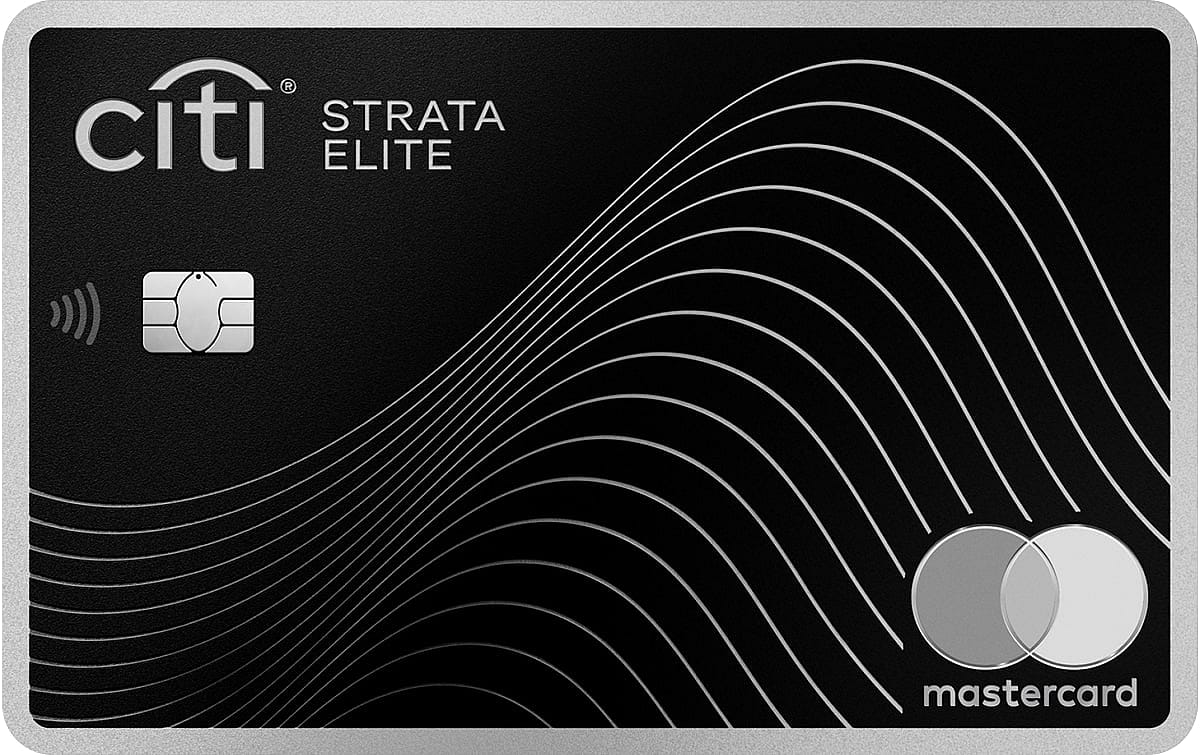
Ranked by SwitchWize's composite score. SwitchWize currently has no compensated product links.
Editorial review
What changed since the last update
Was this guide helpful?
Found an inaccurate, outdated, or missing claim? Report a correction. We verify reports against the relevant source before changing a guide or ranking.
