- A referral bonus pays the existing cardholder once the referred applicant is approved, sometimes with an added spend requirement.
- The new cardholder usually just gets the card's standard public offer, not a separate referral-specific bonus.
- Most issuers cap total referral bonuses per account each year, and public spamming of a referral link can void it entirely.
Quick answer
A credit card referral bonus pays an existing cardholder for successfully referring a new applicant, typically once that applicant is approved and, on many cards, only after they also hit a minimum spend within a set window. The referrer commonly earns somewhere in the range of $50 to $200 in cash-equivalent value, though the exact amount and structure varies by issuer and by card. The referred person usually just receives the card's own public welcome offer rather than an extra bonus for having been referred. Most programs cap how many referral bonuses one account can earn in a calendar year. A referral bonus should never be the reason to recommend a card. Recommend it because it fits the person's spending and credit profile, and let the referral credit be a bonus on top of a decision that already made sense. Understanding credit card referral bonuses explained helps both parties evaluate whether the arrangement truly adds value to their financial decisions.
A referrer earns a bonus worth roughly $150 for a successful referral. The card carries a $95 annual fee, and the friend being referred does not spend enough in the bonus categories to offset it. The friend's own annual math is negative even before considering the referrer's separate $150 gain, which belongs to the referrer, not the new cardholder.
Decision table
- What to do
- Send your personal referral link privately
- Why
- Both the friend's card choice and your bonus are independent of each other and both are legitimate
- What to do
- Recommend a different card instead
- Why
- The referral bonus belongs to the referrer, not the friend, and should never carry a weak fit
- What to do
- Point the friend to the public offer
- Why
- A better public welcome bonus can outweigh a smaller referral-linked one for the applicant
- What to do
- Check before assuming the next referral pays out
- Why
- Additional referrals past the cap typically earn nothing that period
- What to do
- Read the issuer's referral terms first
- Why
- Many programs restrict links to personal use and can void bonuses for public distribution
Share the link if, hold off if
Share your referral link if:
-
The card is genuinely the right fit for the person you are referring.
-
You are sharing it privately with someone you actually know, not posting it publicly.
-
You have checked that your account has not hit its annual referral cap.
Hold off if:
-
The only reason you are recommending the card is your own referral bonus.
-
The issuer's terms restrict public posting and you were planning to post it broadly.
-
The friend would likely carry a balance on the new card.
Pay-in-full versus revolver verdict
If the referred applicant plans to pay in full, a referral bonus is a genuine, if secondary, upside for the referrer with no real downside for the new cardholder beyond a standard application. If the new cardholder is likely to carry a balance, none of this math matters: the average card APR of 24.00% will cost far more than any referral or welcome bonus within months. Do not recommend a card through a referral link to someone already carrying high-interest debt elsewhere.
Approval, fees, and exclusions
The applicant still has to independently qualify for the card; a referral link does nothing to improve approval odds or bypass underwriting. Referral bonus amounts can also be lower than a card's current public welcome offer, may be treated as taxable miscellaneous income by the issuer in some cases, are typically capped per account per year, and are commonly voided for self-referrals or accounts flagged as abusing the program.
For the broader math on whether a card is worth it beyond the referral, see the Real Annual Value guide and how to maximize rewards responsibly. If a friend is choosing between several cards, a Money Map scan can help confirm which one actually fits their spending before any referral link enters the decision.
How we ranked
We compared the three paths by whether the applicant's own card fit was preserved, how referral caps and terms affect realistic payout, and whether the option respects issuer distribution rules. We did not rank a referral link above a public offer just because it also benefits the referrer.
Compensation disclosure: SwitchWize may earn a referral fee when you apply through partner links. Organic rankings are based on fit and value.
Sources
- FTC endorsement guidance covers disclosure expectations when sharing referral or affiliate links publicly.
- CFPB credit card cost guidance explains how welcome bonuses, fees, and interest interact on a card.
Terms referenced on this page were verified on July 10, 2026. Offers, fees, APRs, rewards, eligibility, and program rules can change. This article is educational information, not individualized financial advice.
Frequently Asked Questions
How do credit card referral bonuses actually work?
Does the referred person get anything extra?
Is there a limit on how many times I can refer someone?
Is it okay to post my referral link publicly?
What changes if the referred person carries a balance?
The 5-minute money briefing
One email per week. New rates, fed moves, and what to actually do about them.
No spam. Unsubscribe anytime.
Act on this: today's top cards


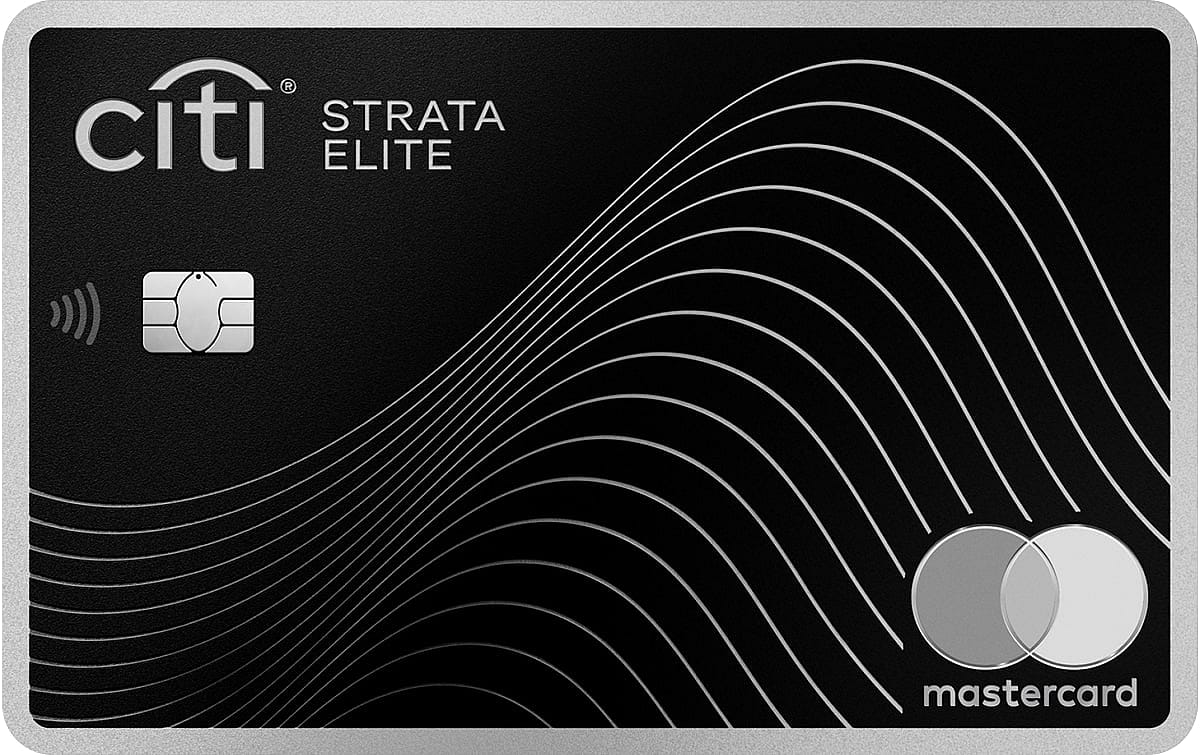
Ranked by SwitchWize's composite score. SwitchWize currently has no compensated product links.
Editorial review
What changed since the last update
Was this guide helpful?
Found an inaccurate, outdated, or missing claim? Report a correction. We verify reports against the relevant source before changing a guide or ranking.
