- Rotating bonus categories require manual activation every quarter and do not carry over automatically from the last one.
- Missing activation almost always means earning the base rate for the entire quarter, with no retroactive fix.
- A flat-rate card is often the better real-world choice for anyone who forgets to activate more than once a year.
Quick answer
Rotating-category cards pay an elevated rate, often well above a typical flat-rate card, on a specific spending category that changes every quarter, but only after you manually activate that quarter's category. Skip the activation step and the card falls back to its base rate for the entire quarter, with almost no way to recover the missed bonus after the fact. The realistic system is a recurring reminder at the start of January, April, July, and October, activation the moment the new category is announced, and tracking your spending against the quarterly cap so you know when the bonus stops. If you have missed activation more than once in the past year, a simple flat-rate card will likely produce more consistent annual value than fighting your own memory every ninety days. Learning how to maximize rotating categories without missing activation ultimately requires honest self-assessment about your organizational habits.
A cardholder puts $1,200 through a rotating category that pays 5%, earning $60. If activation is forgotten, the same $1,200 earns the 1% base rate instead, $12, a $48 gap for that one quarter. Multiplied across a full year of similarly sized rotating spending, a single missed quarter can undo a meaningful share of the card's annual advantage.
Decision table
- What to do
- Activate the category within the first few days
- Why
- Activation does not carry over, and delaying risks forgetting entirely
- What to do
- Activate immediately and call the issuer to ask about a retroactive fix
- Why
- Some issuers will manually credit recent purchases if caught quickly, though it is not guaranteed
- What to do
- Switch that category's spending to a flat-rate card
- Why
- Spending past the cap earns the base rate anyway, so a flat-rate card may pay more from that point on
- What to do
- Consider replacing the card with a flat-rate card
- Why
- The maintenance cost is outweighing the bonus rate's advantage in practice, not just in theory
- What to do
- Do not force purchases to use it
- Why
- Rotating categories are only valuable when they match spending you were already going to make
Activate and track if, switch to flat-rate if
Activate and track the cap if:
-
You have a reliable system, like a recurring calendar reminder, and rarely miss it.
-
This quarter's category genuinely matches spending you already plan to do.
-
You are comfortable tracking a spending cap and switching cards once you hit it.
Switch to a flat-rate card if:
-
You have forgotten to activate more than once in the past year.
-
The mental overhead of tracking quarters and caps outweighs the rate difference for you.
-
This quarter's category rarely matches how you actually spend.
Pay-in-full versus revolver verdict
For someone who pays the statement in full, the entire rotating-category question is about maximizing a bonus rate with no downside beyond forgetting to activate. For a revolver, none of this matters: the average card APR of 24.00% will cost more in a single month of carried balance than a full year of rotating-category bonuses is likely to earn. Pay down any balance before spending mental energy on quarterly activation.
Approval, fees, and exclusions
Rotating-category cards generally suit good-credit applicants who pay in full every month, since the strategy depends on discipline rather than credit access. Wallet payments routed through certain apps and purchases at wholesale clubs can sometimes carry a different merchant category code than expected, so even an activated category can occasionally miss the bonus rate on specific transactions. Spending beyond the quarterly cap always reverts to the base rate for the remainder of that quarter.
If juggling activation dates and caps has started to feel like more effort than it is worth, that is worth taking seriously rather than treating as a personal failing. A Money Map scan can help confirm whether a simpler flat-rate card, or a different financial priority altogether, produces more real value than another year of rotating-category tracking.
How we ranked
We compared the three approaches by realistic annual value after accounting for missed quarters, cap tracking, and the mental cost of remembering a recurring task. We did not assume perfect activation every quarter, since real-world data on rotating-category cards shows many cardholders miss at least one activation window per year.
Compensation disclosure: SwitchWize may earn a referral fee when you apply through partner links. Organic rankings are based on fit and value.
Sources
- CFPB rewards report discusses how rotating and category-based rewards structures function across the credit card market.
- Federal Reserve consumer credit resources explain how card terms, rates, and category rules are disclosed.
Terms referenced on this page were verified on July 10, 2026. Offers, fees, APRs, rewards, eligibility, and program rules can change. This article is educational information, not individualized financial advice.
Frequently Asked Questions
What happens if I forget to activate a rotating category?
How often do I need to activate?
Is there a cap on how much earns the bonus rate?
Are rotating-category cards worth the effort compared to a flat-rate card?
What changes if I carry a balance?
The 5-minute money briefing
One email per week. New rates, fed moves, and what to actually do about them.
No spam. Unsubscribe anytime.
Act on this: today's top cards


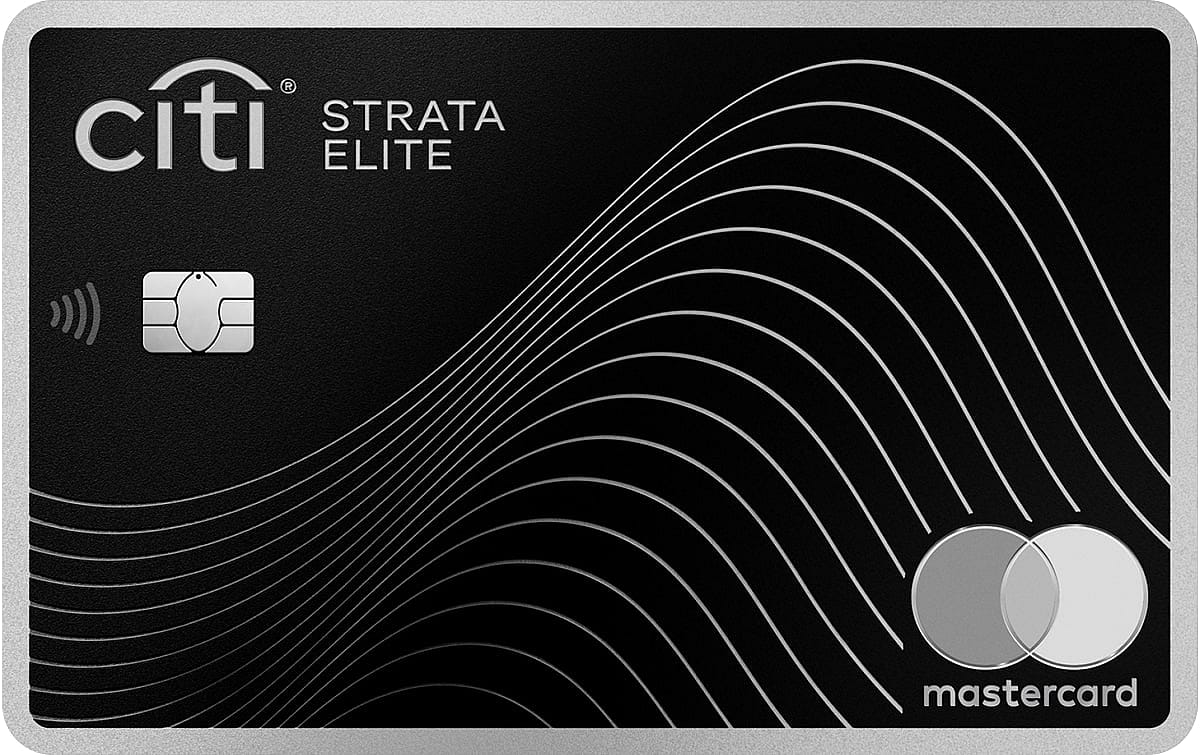
Ranked by SwitchWize's composite score. SwitchWize currently has no compensated product links.
Editorial review
What changed since the last update
Was this guide helpful?
Found an inaccurate, outdated, or missing claim? Report a correction. We verify reports against the relevant source before changing a guide or ranking.
