- A 3% foreign transaction fee costs $120 on $4,000 spent abroad, so eliminating it is the first travel-card filter.
- Occasional travelers should prefer a $0 annual fee, while frequent travelers should subtract the fee and unusable credits from rewards.
- Carry a Visa or Mastercard backup if Amex is your primary card, ideally from a second issuer.
Quick answer
The best no foreign transaction fee credit card for most occasional travelers is a no-annual-fee Visa, because it removes the usual 3% penalty without creating a yearly cost to recover. Bank of America Travel Rewards and Wells Fargo Autograph are examples with issuer-published terms showing no annual fee and no foreign transaction fee. Regular travelers may get more net value from Chase Sapphire Preferred or Capital One Venture X, but only if rewards, credits, and protections exceed the annual fee. If Amex is your primary card, pack a Visa or Mastercard backup from a second issuer. Pay in local currency, not U.S. dollars, and pay the statement balance in full. A single month of interest can erase the fee savings and rewards. These considerations help you select among the best no foreign transaction fee credit cards 2026 based on your travel frequency and spending patterns.
Best options by travel pattern
- Card or strategy
- Bank of America Travel Rewards
- Why it can win
- No annual fee, no foreign transaction fee, and a simple 1.5 points per dollar
- Main catch
- Travel-statement-credit redemption is less flexible than cash
- Card or strategy
- Wells Fargo Autograph
- Why it can win
- No annual fee, no foreign transaction fee, and bonus categories that include travel and dining
- Main catch
- Merchant coding determines whether a purchase earns the bonus
- Card or strategy
- Chase Sapphire Preferred
- Why it can win
- No foreign transaction fee, transferable points, and travel protections
- Main catch
- The annual fee must be recovered every year
- Card or strategy
- Capital One Venture X
- Why it can win
- Flat miles, portal credit, and premium travel benefits
- Main catch
- The portal credit is valuable only when you use the portal naturally
- Card or strategy
- Amex plus a no-fee Visa or Mastercard
- Why it can win
- Keeps Amex rewards where accepted while protecting against acceptance gaps
- Main catch
- Two due dates and two fraud-alert systems to manage
The table above provides current product data. Confirm the foreign transaction fee in the issuer's rates-and-fees disclosure before applying, because a card family can contain both fee-free and fee-charging products.
The net-dollar test
SwitchWize uses Real Annual Value = rewards + usable bonus value − annual fee − interest risk. For an international card, add avoided foreign transaction fees to rewards, then subtract any extra cost or friction you accept to use the card.
A traveler using a card with a 3% foreign transaction fee pays $120 in fees on $4,000 of purchases. Switching to a no-fee card with no annual fee saves the full $120. If that card also earns 1.5 points per dollar and the traveler redeems 6,000 points for $60 of usable value, total first-year value is $180 before any welcome bonus.
A $95 travel card must add more than $95 of usable rewards, protections, or credits beyond the no-fee alternative. If it adds only $70, Real Annual Value is $25 lower than the free card. Run the foreign transaction fee calculator with your own trip budget.
For a revolver, the recommendation changes completely. If you carry a balance, compare borrowing cost before rewards and use the Carrier Cost tool. A fee-free travel card is not a good deal when interest exceeds the $120 fee savings.
Choose a no-fee card if, skip it if
Choose a no-annual-fee option if:
-
You travel internationally once or twice a year.
-
You want a backup Visa or Mastercard that can stay open at no yearly cost.
-
You prefer statement credits or cash-like rewards over transfer-partner research.
-
Your international spend is too low to recover a premium annual fee.
Choose a fee card only if:
-
You can name the travel credits and protections you will use without changing normal spending.
-
You redeem transferable points at more value than the no-fee alternative provides.
-
You travel often enough that trip-delay, rental-car, or baggage coverage has practical value.
Skip rewards optimization if you cannot pay in full. The current average card APR at 24.00% can turn a modest carried balance into a larger cost than the foreign fee you avoided.
Acceptance, dining rewards, and merchant-code traps
No foreign transaction fee does not mean universal acceptance. American Express says its global footprint has expanded substantially, but acceptance still varies by country, neighborhood, and merchant. A second card is not a criticism of Amex rewards. It is operational insurance. Use a different network and issuer so one acceptance issue or fraud freeze does not disable both cards.
International dining rewards also depend on merchant category codes. A restaurant inside a hotel may code as lodging. A food hall may code as a market, and a delivery platform may code differently from the restaurant. The issuer, not the menu, decides whether the bonus category applies. Treat the advertised dining rate as upside, not guaranteed value on every meal.
Pay in the local currency when a terminal offers a choice. Visa's dynamic currency conversion guidance explains that choosing your home currency includes the merchant's exchange rate and additional fees. A zero foreign transaction fee does not protect you from that separate markup.
Credit approval is also part of the decision. Mainstream travel rewards cards generally fit applicants with good to excellent credit, but issuers do not promise a fixed score cutoff. Check prequalification where available and avoid multiple speculative applications. A Money Map scan can help you decide whether a new card, debt payoff, or another financial move has the larger dollar impact.
Credit card versus debit account abroad
A no-foreign-fee credit card is usually the purchase tool. A travel-friendly checking or debit account is the cash-withdrawal tool. Credit card ATM use can be treated as a cash advance, with a fee and interest that may begin immediately. The separate no-foreign-transaction-fee accounts guide covers debit cards, checking accounts, and international ATM costs.
For broader rewards selection, compare the best travel cards. If you want to keep the backup card forever without a carrying cost, see the best no-annual-fee cards.
How we ranked
We ranked card value by estimated annual rewards, usable bonus value, fees, APR risk, redemption friction, issuer reliability, international acceptance strategy, and travel protections. We did not rank solely by the largest advertised bonus. A benefit counted only when a traveler could use it without extra spending.
Compensation disclosure: SwitchWize may earn a referral fee when you apply through partner links. Organic rankings are based on fit and value.
Sources
- CFPB credit card cost guidance explains why APRs, annual fees, transaction fees, and rewards must be evaluated together.
- Chase Sapphire Preferred terms confirm no foreign transaction fees and publish current card benefits.
- Capital One's foreign-fee policy says its U.S.-issued credit cards do not charge foreign transaction fees and lists current Venture and Savor features.
- Bank of America Travel Rewards publishes its no-annual-fee, no-foreign-transaction-fee terms and rewards structure.
- Wells Fargo Autograph terms list no annual fee and no foreign currency conversion or foreign transaction fee.
- American Express acceptance update provides current context on the network's expanding global merchant footprint.
Terms referenced on this page were verified on July 10, 2026. Card fees, rewards, protections, acceptance, and eligibility can change, so review the issuer's current disclosure before applying. This article is educational information, not individualized financial advice.
Frequently Asked Questions
What is the best no foreign transaction fee credit card?
Do no foreign transaction fee cards use a worse exchange rate?
Should I bring a backup card overseas?
Does a no foreign transaction fee card also waive ATM fees?
Are rewards worth more than a lower APR for international spending?
The 5-minute money briefing
One email per week. New rates, fed moves, and what to actually do about them.
No spam. Unsubscribe anytime.
Act on this: today's top cards


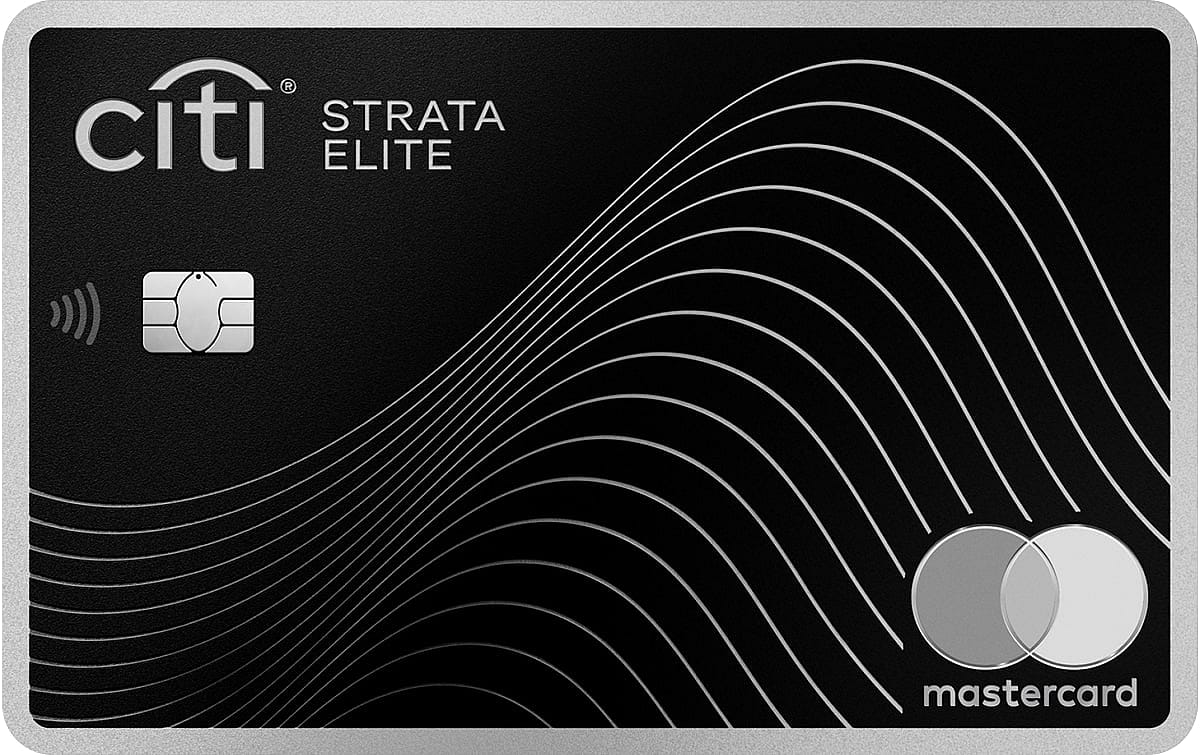
Ranked by SwitchWize's composite score. SwitchWize currently has no compensated product links.
Editorial review
What changed since the last update
Was this guide helpful?
Found an inaccurate, outdated, or missing claim? Report a correction. We verify reports against the relevant source before changing a guide or ranking.
