- A foreign transaction fee is typically 3% of every purchase abroad, so a $3,000 trip spend quietly costs about $90 before ATM fees.
- Out-of-network international ATM fees and dollar-conversion markups stack on top of the 3%.
- Carry a no-foreign-transaction-fee card for purchases and a no-international-ATM-fee account for cash, and always pay in the local currency.
You budget for the flights, the hotel, the meals. The one cost you never see coming is the 3% your bank skims off every single purchase the moment you cross a border. It does not appear as a line item you notice, just a slightly worse number on each transaction, multiplied across an entire trip. Rates on this page were last verified recently. Fortunately, no foreign transaction fee accounts exist to help you avoid these hidden costs entirely while traveling abroad.
This is one of the easiest fees to eliminate completely, because plenty of cards and accounts have already dropped it. The only mistake is traveling on the wrong one.
What the fee actually costs
A foreign transaction fee is typically 3% of every purchase made abroad or in a foreign currency. It sounds trivial per coffee. Across a trip it adds up:
- On a $3,000 trip spend, the 3% fee is about $90, for nothing.
- That is before international ATM fees, which can be a flat charge plus an out-of-network surcharge each time you withdraw cash.
- And before dynamic currency conversion, the markup applied if you let a terminal charge you in dollars instead of the local currency.
The math behind that $90 is a single multiplication: trip spend x 3% = the fee tax you pay for crossing a border. $3,000 x 3% = $90. Stack that with ATM fees and a careless traveler can lose well over $100 on a single trip to fees that a different card would have charged at zero.
The fix: two accounts and one habit
A no-foreign-transaction-fee card for purchases. Many travel rewards cards charge no foreign transaction fee, and a growing number of checking and debit accounts do too, some of which also pay interest on the balance you carry between trips, currently up to 2.75% APY on the top accounts. Carry one and every purchase abroad costs exactly what the price tag says.
A no-international-ATM-fee account for cash. Some accounts waive or reimburse international ATM fees, so you can pull local currency without the per-withdrawal sting. A no-fee debit account for travel cash pairs well with a rewards card for spending. If your current bank charges for both the foreign transaction and the ATM withdrawal, run the numbers in the Bank Switch ROI Calculator to see what switching before your next trip actually saves.
Always pay in the local currency. When a terminal abroad asks whether to charge you in dollars or the local currency, choose local. Choosing dollars triggers dynamic currency conversion, a markup that is almost always worse than your card network's own rate. This one habit is free and saves money on every transaction.
Where each tool fits
- Carry
- A no-foreign-transaction-fee card
- Carry
- An account with no or reimbursed international ATM fees
- Carry
- Always choose the local currency
Match the fix to your trip
- Move
- Skip opening new accounts; just choose local currency at the terminal every time.
- Move
- Choose a no-foreign-transaction-fee card as your default travel spender.
- Move
- Choose both a fee-free card and a no-international-ATM-fee account together.
- Move
- Choose the ATM-fee-free account first; it matters more than the card for this pattern.
Quick answers
How do I avoid foreign transaction fees? Use a card and account that charge none, and always pay in the local currency abroad.
How much do they cost? About 3% per purchase, roughly $90 on a $3,000 trip, before ATM fees.
Dollars or local currency abroad? Always local; choosing dollars adds a conversion markup.
Compare the full cards market if you don't already have a no-fee travel card in your wallet; several no-annual-fee options waive the foreign transaction fee too, not just the premium travel cards.
Sources
The 3% foreign transaction fee referenced above reflects a widely disclosed industry-standard markup on cross-border card purchases; the CFPB's consumer explainer on foreign transaction fees describes how the fee is charged and why it appears separately from currency conversion. Dynamic currency conversion, the practice of a foreign terminal offering to bill you in dollars, is addressed in the same CFPB consumer-education library alongside general card and ATM fee guidance from the FTC. Confirm current fee schedules directly with your card issuer or bank before traveling, since terms change without notice.
Methodology
Foreign transaction fees, ATM-fee policies, and reimbursements are set by each card and bank and change; confirm current terms before traveling. SwitchWize tracks account and card features from issuer disclosures. The 3% fee and trip figures are illustrative of common industry levels. This is educational information, not personalized financial advice.
Frequently Asked Questions
How do I avoid foreign transaction fees?
How much do foreign transaction fees cost?
Which accounts have no foreign transaction fee?
Should I pay in dollars or local currency abroad?
The 5-minute money briefing
One email per week. New rates, fed moves, and what to actually do about them.
No spam. Unsubscribe anytime.
Act on this: today's top travel cards

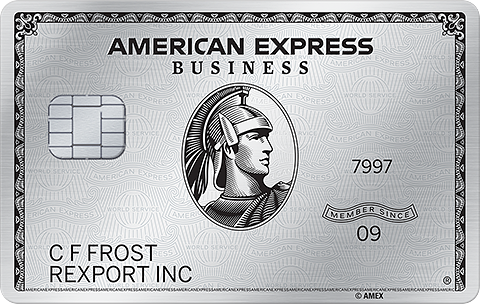

Ranked by SwitchWize's composite score. We may earn a referral fee, and it never changes the ranking order.
Editorial review
What changed since the last update
Was this guide helpful?
Found an inaccurate, outdated, or missing claim? Report a correction. We verify reports against the relevant source before changing a guide or ranking.
