- A corporate card is usually a charge card: the balance is due in full each cycle, with no revolving option.
- Most require no personal guarantee, because they underwrite your business cash instead of your personal credit file.
- The eligibility minimum decides the question for many small businesses, so check it before comparing rewards.
Quick answer
Corporate cards like Ramp, Brex, and Rho are charge cards underwritten on your business bank balance, usually with no personal guarantee and bundled spend-management software. Business credit cards like Chase Ink and Amex Business are revolving credit underwritten on your personal credit, with a personal guarantee. Many small businesses do not meet the corporate card minimum, which settles it before rewards enter the conversation. For those who qualify, the best corporate credit cards for small businesses typically offer superior spend controls and reporting capabilities.
The four differences that actually matter
How the limit is decided. A corporate card issuer looks at your business bank balance and revenue, and sets a limit against it, adjusting as that balance moves. A business credit card issuer pulls the owner personal credit and sets a fixed limit. That is why a profitable business with a thin owner credit file can get a large corporate card limit and struggle for a modest business card, and why the reverse happens too.
Personal liability. Most corporate cards carry no personal guarantee. Nearly every small-business credit card does. If the business fails owing money, that distinction is the whole ballgame, and it is the main reason founders move to a corporate card once they qualify.
Whether you can carry a balance. Corporate cards are charge products: pay in full each cycle or the card stops working. Business credit cards revolve. If your cash flow is lumpy and you occasionally need to carry a balance into the next month, a charge card is the wrong shape regardless of its other advantages.
What comes with it. Corporate cards bundle software: unlimited employee cards, per-card and per-category limits, receipt capture, and direct accounting sync. Business credit cards give you rewards and a statement. For a business with several people spending, that software is often worth more than the difference in earn rate.
Side by side
- Corporate card
- Ramp, Brex, Rho
- Business credit card
- Chase Ink, Amex Business
- Corporate card
- Charge, paid in full each cycle
- Business credit card
- Revolving
- Corporate card
- Business cash and revenue
- Business credit card
- Owner personal credit
- Corporate card
- Usually none
- Business credit card
- Nearly always required
- Corporate card
- Typically none
- Business credit card
- None to several hundred
- Corporate card
- Unlimited, with controls
- Business credit card
- Varies, sometimes a per-card fee
- Corporate card
- Smaller or none
- Business credit card
- Often substantial
- Corporate card
- Usually not
- Business credit card
- Yes
Terms move, so confirm current specifics with the issuer before applying. The structural differences above are stable; the numbers are not.
Who should use which
A corporate card fits a business with real cash in the bank that pays in full anyway, several people spending, and an owner who wants their personal balance sheet out of it. The spend controls are the point, not the rewards.
A business credit card fits a sole proprietor, a newer business, one with uneven cash flow that occasionally needs to revolve, or anyone chasing a large welcome bonus. It is also the only option if you do not meet a corporate card balance minimum, which is the common case for genuinely small businesses.
Many businesses end up with both: a corporate card for team spending and controls, and a business credit card kept for the categories where its rewards are stronger and for revolving capacity when a month goes sideways.
Before you apply
Check the eligibility minimum first. It is the fastest way to find out whether the rest of the comparison is even relevant, and it is the thing most comparisons bury. Then confirm what the card reports to, because a card that does not report to the business bureaus is not building the credit history you may need for a business line of credit later.
For the rewards side of traditional business cards, see best business credit cards. For the fee load on either type, business credit card fees covers what each one actually charges.
Frequently Asked Questions
What is the difference between a corporate card and a business credit card?
Can a small business get a corporate credit card?
Do corporate credit cards require a personal guarantee?
Is Ramp or Chase Ink better for a small business?
Do corporate cards build business credit?
The 5-minute money briefing
One email per week. New rates, fed moves, and what to actually do about them.
No spam. Unsubscribe anytime.
Act on this: today's top cards

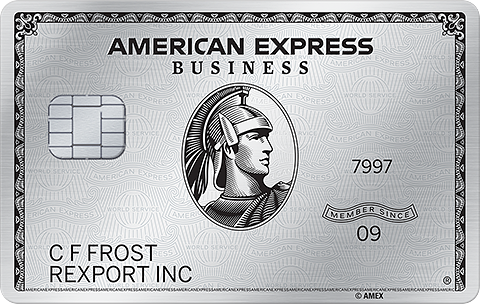

Ranked by SwitchWize's composite score. We may earn a referral fee, and it never changes the ranking order.
Editorial review
What changed since the last update
Was this guide helpful?
Found an inaccurate, outdated, or missing claim? Report a correction. We verify reports against the relevant source before changing a guide or ranking.
