How to choose
What to weigh before you pick
It usually comes down to 3 things. Compare your options on each before deciding.
What you earn on the spending you actually do.
The fee weighed against the rewards and credits you will use.
The intro offer and the spend required to earn it.
- Amex Business Platinum is a premium travel card, with a higher annual fee offset by airport lounge access and travel credits, best for frequent business travelers.
- Chase Ink Business Preferred earns bonus points on travel, shipping, advertising, and communications spend up to an annual cap, without lounge access, at a lower annual fee.
- The right card depends on your business's actual spending pattern and travel frequency, not the headline sign-up bonus alone.
Amex Business Platinum and Chase Ink Business Preferred both target business owners who want more than a flat cashback card, but they're built around different value propositions. Business Platinum is unapologetically a premium travel card, its higher annual fee is designed to be offset by airport lounge access and a set of travel credits, assuming you actually travel enough to use them. Ink Business Preferred skips the lounge access entirely and instead concentrates its value in bonus-category earning on specific, common business expenses.
Neither card is a general-purpose "best" option; the right one depends heavily on how your business actually spends money and how often you travel.
Amex Business Platinum vs Chase Ink Business Preferred: The Core Differences That Actually Matter
Amex Business Platinum is positioned at the premium end of the business card market. The annual fee is meaningfully higher than Ink Business Preferred's, but the card includes airport lounge access, a genuine and valuable perk for business owners who travel regularly, along with a set of statement credits toward specific travel-related purchases. The earn rate outside a narrower set of bonus categories is flatter, meaning the card's value is concentrated in its perks and credits more than in everyday spending rewards.
Chase Ink Business Preferred takes the opposite approach: no lounge access, a mid-tier annual fee, and strong bonus-category earning on travel, shipping, internet/cable/phone services, and advertising purchased through social media sites and search engines, up to an annual spending cap. For a business that spends heavily in those specific categories, the bonus earning can add up to real value without needing to use airport lounges to justify the card.
Operational Comparison: Fee, Perks, and Earning Structure
- Amex Business Platinum
- Higher, premium-tier
- Chase Ink Business Preferred
- Mid-tier
- Amex Business Platinum
- Yes
- Chase Ink Business Preferred
- No
- Amex Business Platinum
- Yes, toward specific travel purchases
- Chase Ink Business Preferred
- No
- Amex Business Platinum
- Narrower, flatter everyday earn
- Chase Ink Business Preferred
- Travel, shipping, advertising, communications, capped annually
- Amex Business Platinum
- Frequent business travelers who value lounge access
- Chase Ink Business Preferred
- Businesses with heavy spend in Ink's specific bonus categories
The Real Question: Will You Actually Use the Lounge Access?
Amex Business Platinum's value proposition hinges on one honest question: will you actually use the airport lounge access enough to justify the fee gap versus Ink Business Preferred? If you travel for business regularly, and lounges genuinely improve your travel experience (a quieter place to work, free food and drinks before a flight, less airport stress), the higher fee can be worth it easily. If your business travel is occasional, or you rarely have layover time to use a lounge, that perk goes unused, and Ink Business Preferred's lower fee and bonus-category earning becomes the more realistic value driver.
This is the same discipline that applies to any premium travel card: don't let a genuinely impressive perk list justify a fee you won't actually extract value from. Total your realistic annual usage before comparing the two cards' fees head to head.
Marketing Hooks vs. Long-Term Reality
"Unlock premium travel benefits" (Amex Business Platinum). The benefits are real and can be genuinely valuable, but "unlock" implies they're automatically valuable to you, when in practice they only pay off if your actual travel pattern uses them. Total the realistic annual value of the credits and lounge access against the fee gap before assuming the premium tier wins.
"Earn big in the categories your business uses most" (Chase Ink Business Preferred). Accurate, but only if your business's actual spend genuinely concentrates in travel, shipping, advertising, and communications. If your spend is spread across categories the card doesn't bonus, the earn rate reverts to its base rate, closer to a standard flat-rate card.
Where Amex Business Platinum Wins (Pros)
- Airport lounge access, a genuine, high-value perk for frequent travelers.
- Travel credits that can offset a meaningful portion of the annual fee for the right spender.
- Premium positioning that can come with additional purchase protections and travel insurance benefits.
Where Amex Business Platinum Falls Short (Cons)
- Higher annual fee, only worth it if you actually use the travel perks.
- Flatter everyday earn rate outside its specific bonus categories.
Where Chase Ink Business Preferred Wins (Pros)
- Strong bonus-category earning on travel, shipping, advertising, and communications, common business expenses.
- Lower annual fee than Amex Business Platinum.
- No dependency on travel frequency to extract value from the card.
Where Chase Ink Business Preferred Falls Short (Cons)
- No lounge access or travel credits, a real gap for a business owner who travels often.
- Bonus categories are capped annually, after which spend reverts to a lower base rate.
How to Choose Between Amex Business Platinum and Chase Ink Business Preferred
- Total your business's actual spend in Ink Business Preferred's bonus categories before assuming it's the stronger earner for you.
- Estimate your realistic business travel frequency and whether you'd actually use airport lounge access enough to matter.
- Compare each card's annual fee against the realistic value of its perks and bonus categories for your specific spend pattern.
- Consider holding both if your spend and travel pattern genuinely justify the combined annual fee.
Decision Framework: Choose the Right Card for Your Business
Choose Amex Business Platinum if:
- You travel for business frequently and would genuinely use lounge access
- The travel credits align with purchases you'd make anyway
- You value premium travel perks over everyday bonus-category earning
Choose Chase Ink Business Preferred if:
- Your business spends heavily in travel, shipping, advertising, or communications
- You don't travel often enough to justify lounge access
- You want a lower annual fee with strong bonus-category earning
Methodology
SwitchWize compares business credit cards on annual fee, bonus category structure, and included perks, sourced from each issuer's published card terms. Specific fee amounts, bonus caps, and perk details change over time; we direct readers to confirm current terms directly with the issuer.
This is educational information, not personalized financial advice.
Quick answer
Amex Business Platinum is a premium travel card with a higher annual fee offset by airport lounge access and travel credits, best for frequent business travelers. Chase Ink Business Preferred earns strong bonus points on travel, shipping, advertising, and communications spend at a lower fee, without lounge access. Match the card to your actual spend pattern and travel frequency, not the sign-up bonus alone.
Decision guide
- Best next move
- Amex Business Platinum
- Why
- Lounge access and travel credits justify the higher fee
- Best next move
- Chase Ink Business Preferred
- Why
- Strong bonus earning without paying for unused lounge access
- Best next move
- Consider holding both
- Why
- Combined value may justify the combined fee
- Best next move
- Total actual spend and travel days first
- Why
- The real numbers should decide this, not the card marketing
Sources
- CFPB: Credit cards explains how to compare credit card terms, fees, and rewards structures.
Frequently Asked Questions
Which has a higher annual fee, Amex Business Platinum or Chase Ink Business Preferred?
Which card earns more on everyday business spending?
Does either card offer airport lounge access?
Can I hold both cards at the same time?
Act on this: today's top cards

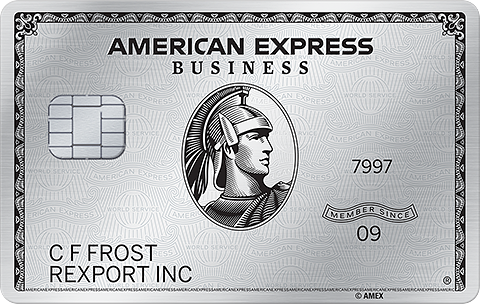

Ranked by SwitchWize's composite score. We may earn a referral fee, and it never changes the ranking order.
Editorial review
What changed since the last update
Was this guide helpful?
Found an inaccurate, outdated, or missing claim? Report a correction. We verify reports against the relevant source before changing a guide or ranking.