Key Takeaways
- Balance transfer cards offering 0% APR for 12-21 months can save you $2,400-$6,000+ in interest on a $10,000 balance
- Transfer fees typically range from 0% to 5%; prioritize cards with no fees or 3% maximum
- With the national average savings account APY at 0.46%, moving high-interest credit card debt (often 18-24% APY) to a 0% card is a mathematically sound strategy
Introduction
Americans carry over $130 billion in credit card debt at average APY rates of 18-24%. If you're one of the 43 million households holding a balance, a strategic balance transfer could eliminate thousands in interest charges. The best balance transfer cards offering 0% APR combine extended promotional periods—some lasting 20+ months—with minimal or no transfer fees. Unlike consolidation loans requiring new applications and credit inquiries, balance transfer cards leverage your existing credit profile while giving you a defined payoff window. This guide reveals which cards deliver genuine savings and how to deploy them effectively.
Understanding 0% Balance Transfer Cards
Balance transfer credit cards temporarily eliminate APY charges on balances moved from other accounts. During the promotional period—typically 6-21 months—you pay zero interest on transferred balances, though you still must make minimum payments.
How they work: You apply for a new card, receive an approval with a credit limit, then request a balance transfer from your existing high-APY card. The new card processes the transfer, sometimes within hours. You then have an interest-free window to pay down principal without accruing charges.
Key advantage: If you carry $10,000 at 21% APY, you'd pay approximately $2,100 in interest over 12 months on minimum payments alone. Transfer that balance to a 0% card, and interest drops to $0 during the promotional period—assuming you make regular payments.
The catch: After the promotional period expires, APY reverts to the card's standard rate (typically 15-24%). Transfer fees typically range from 0% to 5%, meaning a $10,000 transfer costs $0-$500 upfront. Some premium cards waive fees entirely or charge a flat 3%.
Top Balance Transfer Cards: Feature Comparison
- Promo APR Period
- 0% for 18 mo (balance)
- Transfer Fee
- 0% intro period
- Regular APY
- 16.49-25.49%
- Best For
- Large balances, zero fees
- Promo APR Period
- 0% for 21 mo (balance)
- Transfer Fee
- 3%
- Regular APY
- 17.24-25.24%
- Best For
- Longest promo window
- Promo APR Period
- 0% for 18 mo (balance)
- Transfer Fee
- 3%
- Regular APY
- 17.99-25.99%
- Best For
- Excellent customer service
- Promo APR Period
- 0% for 18 mo (balance)
- Transfer Fee
- 3%
- Regular APY
- 18.99-27.99%
- Best For
- Rewards on transfer spend
Standout winner for 2024: Citi Simplicity offers the longest promotional window at 21 months paired with a reasonable 3% transfer fee. On a $10,000 balance, you'd pay $300 upfront but save approximately $3,150 versus revolving at 20% APY for 21 months.
Real-World Scenario: The Strategic Transfer
Consider someone with $15,000 across three cards at average 19% APY. Monthly interest charges total approximately $237.50. Using a 0% balance transfer card with an 18-month promotional period and 3% fee:
- Upfront cost: $450 (3% of $15,000)
- Interest saved over 18 months: $4,275 (compared to 19% APY)
- Net savings: $3,825
- Required monthly payment to clear balance: $833.33
This approach requires discipline—you must commit to the $833 monthly payment and avoid new charges. However, the math is compelling: $3,825 in interest elimination versus the alternative of revolving debt indefinitely.
Balance Transfer Cards vs. Debt Consolidation Loans
While both reduce debt burden, they operate differently:
Balance transfer cards (0% APR):
- No hard inquiry impact on credit (temporary dip, recovery within 6 months)
- Require credit score 670+ typically
- Promotional period ends; rate increases unless transferred again
- Monthly payments flexible but revolving
Consolidation loans (fixed rate, typically 6-12%):
- One-time inquiry; structured monthly payment
- Rate fixed for full term (12-72 months typically)
- Potentially easier budgeting; predictable payoff date
- May require collateral; affects debt-to-income ratio
Verdict: Use balance transfer cards if you can pay off within 18-21 months. Choose consolidation for balances requiring 3+ years to repay or if credit score is below 670.
Maximizing Your Balance Transfer Strategy
1. Timing matters: Apply before carrying large balances. Credit pulls and new account opening temporarily reduce credit scores; you want maximum approval odds.
2. Calculate the real payoff amount: Use our balance transfer calculator to determine required monthly payments. Missing a payment forfeits the 0% APR, reverting to standard rate immediately—a costly mistake.
3. Avoid new charges: The 0% APR applies only to transferred balances, not new purchases (which often accrue interest immediately). Treat the card as a payment tool, not a spending vehicle.
4. Redirect cash flow: If monthly minimum payments on your old card were $300 at 19% APY, allocate that freed-up capital to the new card's principal paydown.
What to Do Next
-
Calculate your scenario: Visit our balance transfer payoff calculator to model 0%, 3%, and 5% fee scenarios against your current APY.
-
Compare cards: Review detailed terms at our balance transfer cards comparison page to confirm promotional periods, transfer fee structures, and credit score requirements.
-
Execute strategically: Once approved, transfer your highest-APY balance first. Schedule a monthly reminder for your 0% period end date so you're not caught off-guard when standard APY kicks in.
Frequently Asked Questions
Q: Will a balance transfer hurt my credit score?
A hard inquiry (1-5 point temporary dip) and new account opening lower your score initially, but most borrowers recover within 6 months. The benefit of eliminating interest outweighs this temporary impact for those carrying balances at 18%+ APY.
Q: Can I transfer balances between my own cards?
Typically, no. Balance transfer offers apply to debt from other issuers. You cannot transfer from a Chase card to another Chase card. Check card terms for exceptions.
Q: What if I can't pay off the full balance before the promo ends?
Your remaining balance reverts to the standard APY (often 20%+). Plan for this contingency: either secure a second balance transfer card before the period expires or prepare for higher interest charges. Some cardholders strategically chain transfers, moving remaining balances to new 0% offers.
Our Methodology
SwitchWize analyzes 150+ financial institutions and credit card issuers monthly, tracking promotional terms, APY rates, and fee structures. Our data reflects April 2026 market conditions; promotional periods and rates fluctuate. We compare real products available to US consumers with credit scores 670+ and verify terms directly through issuer websites.
Disclaimer: This article is educational and not financial advice. Balance transfer cards carry risk; if you cannot commit to a repayment plan, explore debt consolidation alternatives. Rates, fees, and promotional periods change; verify current terms directly with issuers before applying. Credit score impacts are temporary; consult your credit report for detailed scoring insights. Past performance and advertised rates do not guarantee future approval or terms.
Frequently Asked Questions
What should I do after reading Best 0% APR Balance Transfer Cards for 2026?
Can Money Map help with credit cards decisions like this?
Are the products mentioned in this article paid placements?
How often is this article reviewed?
Act on this: today's top cards


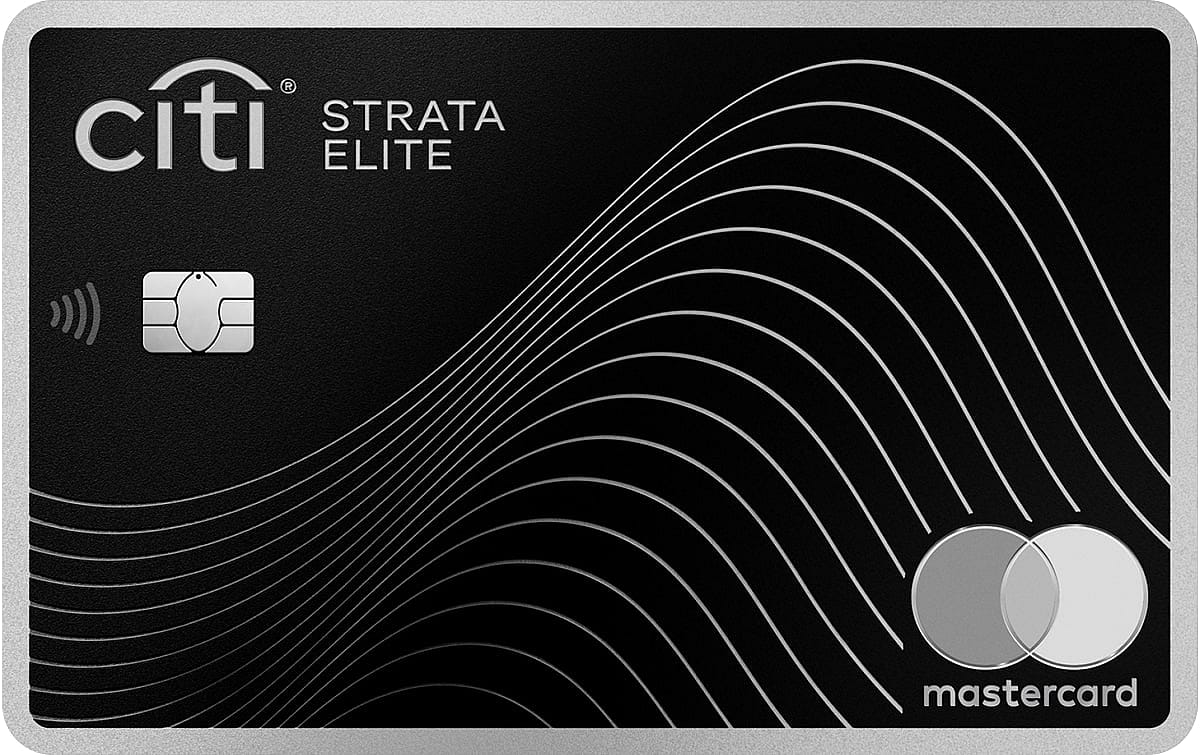
Ranked by SwitchWize's composite score. SwitchWize currently has no compensated product links.
Was this guide helpful?
Found an inaccurate, outdated, or missing claim? Report a correction. We verify reports against the relevant source before changing a guide or ranking.
