Credit cards by goal
Best credit cards for groceries
A grocery card pays extra rewards at supermarkets. Some pay 3% to 6% back, compared with 1% to 2% on a flat-rate card.
Most cap the amount that earns the higher rate each year. Above the cap you earn the base rate.
Warehouse clubs, superstores and delivery services often do not count as supermarkets. Check the issuer terms before you rely on the rate.
We list 4 cards here. 2 have no annual fee. The largest welcome bonus we track is $300 on the Blue Cash Preferred.
A card is listed here when the issuer states an earn rate of 3% or more on groceries. Sorted by highest grocery rate first, then lowest annual fee. Facts match the main cards page.
- AE
 Annual fee$95Purchase APR19%+Rewards rate1%Welcome bonus$300
- AE
 Annual fee$0Purchase APR19%+Rewards rate1%Welcome bonus$200
- CO
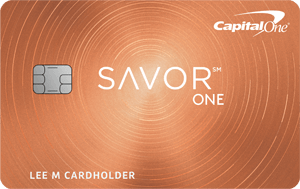 Annual fee$0Purchase APR19%+Rewards rate1%Welcome bonus$50
- COAnnual fee$39Purchase APR29%+Rewards rate1%Welcome bonusNone listed
Common questions
- Do warehouse clubs count as groceries?
- Often not. Many cards leave out warehouse clubs, superstores and delivery. Read the category list on the issuer page.
- Is there a limit on grocery rewards?
- Many cards cap the spend that earns the higher rate, for example the first $6,000 a year. After that you earn the base rate.
Card terms come from each issuer and can change. Check the issuer page before you apply. SwitchWize may earn a fee if you apply through a link marked as an offer.