- BNPL used to be invisible to your credit file; that is ending as the bureaus and FICO fold pay-in-four into credit data and scores.
- Short interest-free plans often involve only a soft check, while longer financed plans can report like an installment loan, payment history and all.
- Stacking several plans at once can now read as elevated risk, and a missed payment sent to collections could always hurt you.
For most of its rise, Buy Now, Pay Later had a strange superpower: it was debt your credit score could not see. You could split a purchase into four payments, then do it again at the next checkout, and none of it showed up in the file lenders pull. That blind spot is closing. Rates on this page were last verified recently. Understanding does buy now pay later affect credit score 2026 is now essential for anyone using these services.
The change matters because BNPL is no longer a novelty. It is a default checkout button on millions of carts, and as the bureaus and FICO start folding it into credit data, a habit that felt consequence-free is becoming visible, for better and for worse.
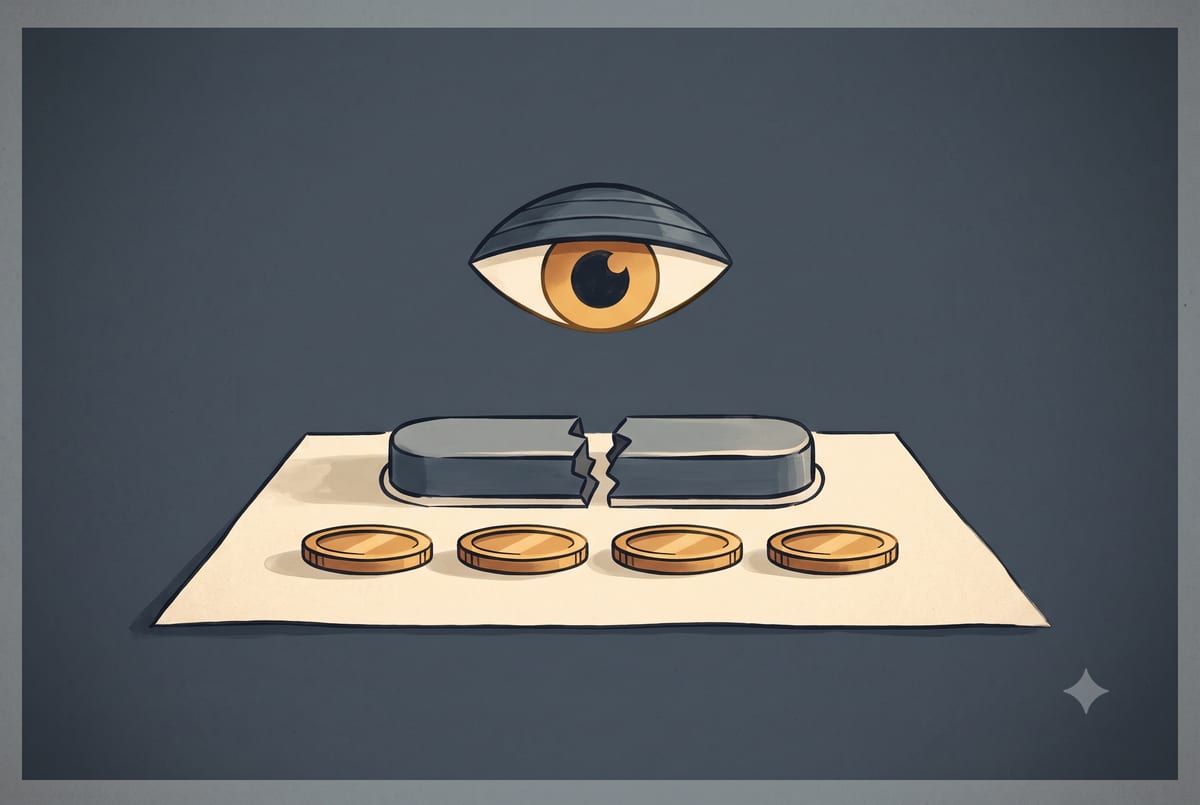
What used to be true, and what is changing
Historically, most pay-in-four BNPL plans did two convenient things: they ran only a soft credit check (no score ding to sign up), and they did not report to the bureaus. That is why BNPL felt frictionless and invisible.
Now the direction has reversed. The credit bureaus and FICO have begun incorporating BNPL into credit data and newer scoring models. The loans are moving from off-the-record to on-the-record. The exact treatment still varies by provider and plan, but the era of assuming BNPL is invisible is ending.
What reports, and what may not
Not all BNPL is the same, and the credit treatment splits along the length of the plan:
- Short pay-in-four plans. Interest-free, repaid in a few weeks. Historically soft-check and often non-reporting, but increasingly visible as the bureaus build BNPL in.
- Longer financed plans. A monthly plan stretched over many months, sometimes with interest. These are more likely to report like an installment loan, including your full payment history.
- Missed payments and collections. This part was never invisible. A BNPL debt that goes unpaid and is sent to collections can hurt your score regardless of the reporting changes.
How BNPL plan types tend to report
- Credit check
- Usually soft
- Likely to report?
- Historically no, increasingly yes
- Credit check
- Sometimes hard
- Likely to report?
- More likely, like an installment loan
- Credit check
- N/A
- Likely to report?
- Yes, and it can hurt
The stacking risk
The bigger shift is not any single plan, it is the pattern. Because BNPL was invisible, people comfortably ran several plans at once, a habit sometimes called loan stacking. Four active pay-in-four plans is four balances and four payment dates.
Once scoring models can see that, it can read as elevated risk, similar to carrying balances across many credit cards near the current average credit card APR of 24.00%, exactly the kind of revolving-debt signal scoring models are built to flag. The same utilization instincts apply: fewer active obligations, comfortably repaid, look better than many stacked ones.
When BNPL helps vs. hurts your file
- What's happening
- Usually a soft check, minimal visibility
- Action
- Low risk; keep using it as intended
- What's happening
- Reads as stacked short-term debt once it's visible
- Action
- Pay down to one or two before adding another
- What's happening
- Reports like a standard installment loan
- Action
- Budget for it like any other loan payment
- What's happening
- Can go to collections and hurt your score
- Action
- Set autopay now; call the provider before you miss a due date
If you're juggling more than one plan right now, our debt payoff calculator can show how fast you clear all of them versus letting them ride.
The upside, used carefully
Visibility cuts both ways. As BNPL enters scoring models, on-time payments could eventually help people with thin files build a positive history, the way a small installment loan can. But that is not guaranteed across providers, and it is a weak reason to borrow. If your goal is building credit, a secured card or credit-builder loan is a more predictable tool. If you're weighing that alternative, compare current secured and starter cards below:
Quick answers
Does BNPL affect your score? Increasingly yes. It used to be invisible; the bureaus and FICO are now folding it in.
Does Affirm or Klarna report? Depends on the plan. Longer financed plans are more likely to report; short pay-in-four is what is changing now.
Is stacking bad? It can be, once visible. Several active plans can read as elevated risk.
For the full picture across your cards, savings, and debt together, not just BNPL, a free Money Map scan is the fastest way to see where you stand.
Sources
This overview reflects the direction confirmed by the major credit bureaus and FICO on incorporating Buy Now, Pay Later data into credit files and scoring models, plus the Consumer Financial Protection Bureau's consumer guidance on credit reports and scores and its broader work on credit card reporting practices. Provider-specific reporting rules change; confirm current terms directly with each BNPL provider before assuming a plan is or isn't visible to the bureaus.
Methodology
BNPL credit treatment reflects announced moves by the major credit bureaus and FICO to incorporate Buy Now, Pay Later data, plus standard reporting practice for installment loans; exact treatment varies by provider, plan, and scoring model version. This is general educational information, not personalized credit advice.
Frequently Asked Questions
Does Buy Now, Pay Later affect your credit score in 2026?
Does Affirm or Klarna report to the credit bureaus?
Can Buy Now, Pay Later help build credit?
Does using a lot of BNPL plans at once look bad?
The 5-minute money briefing
One email per week. New rates, fed moves, and what to actually do about them.
No spam. Unsubscribe anytime.
Act on this: today's top cards


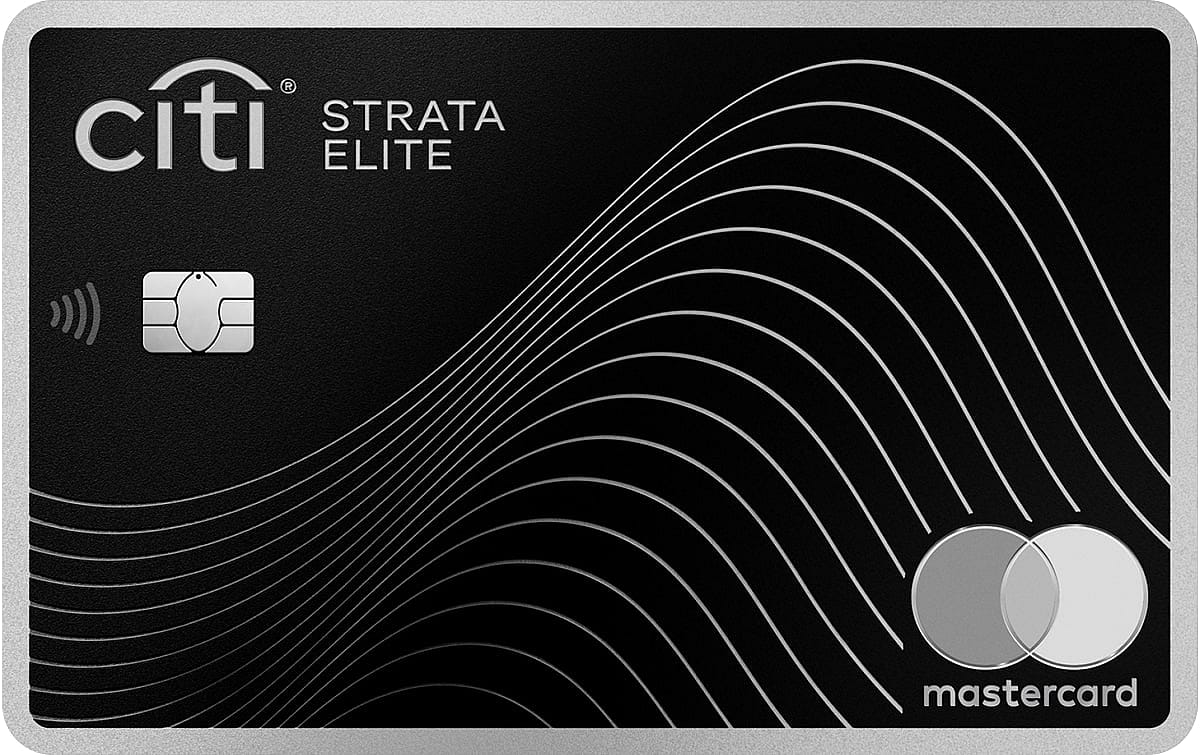
Ranked by SwitchWize's composite score. We may earn a referral fee, and it never changes the ranking order.
Editorial review
What changed since the last update
Was this guide helpful?
Found an inaccurate, outdated, or missing claim? Report a correction. We verify reports against the relevant source before changing a guide or ranking.
