- The cards ultra wealthy use are mostly the same premium rewards cards available to everyone, Amex Platinum, Sapphire Reserve, and high-limit cash-back cards.
- The real status symbol is a private-banking relationship with lending access, not a heavy metal card with a five-figure initiation fee.
- Optimizing rewards rate, credits, and relationship benefits beats paying a prestige premium on a trophy card you underuse.
The mythology goes like this: the ultra-wealthy pull out a heavy black metal card and the room falls silent. The reality is far less cinematic. Most ultra-high-net-worth households, people with $30 million or more in investable assets, spend on ordinary premium cards that anyone can apply for. The cards ultra wealthy use day to day earn points, stack credits, and slot into a broader financial relationship that includes lending, tax planning, and portfolio management. The card is plumbing, not the mansion.
So why does the myth persist? Because credit-card marketing thrives on aspiration. Brands like American Express and J.P. Morgan know that exclusivity sells. But when you study what actually sits in a wealthy person's wallet, the picture looks surprisingly familiar: a high-earning travel card, a flat-rate cash-back card for utilities and subscriptions, and occasionally a private-bank card that exists only because the cardholder already parked eight figures with the institution. If you're deciding between chasing an invite-only card and simply optimizing a card you already qualify for, the data strongly favors the latter. This is especially important if you're someone who measures spending in returns rather than impressions. Below, we break down the specific cards, the costs, the earning math, and a decision framework so you can spend like the ultra-wealthy, without pretending to be one.
Quick answer: what cards do the ultra wealthy actually carry?
Most ultra-high-net-worth spenders carry the same handful of cards anyone with strong credit can apply for: an Amex Platinum or Chase Sapphire Reserve for travel and dining, paired with a flat 2% cash-back card for everything else. The invite-only Centurion Black Card exists, but it earns worse than the Platinum on most categories and is chosen for concierge access, not returns. The real advantage wealthy households have is a private-banking relationship, securities-backed lending, fee waivers, a dedicated banker, not a heavier metal card. If you have strong credit and pay your statement in full every month, a premium rewards card plus a no-fee cash-back card captures nearly all of the same value without a five-figure initiation fee.
The Cards Ultra Wealthy Use Every Day
Three patterns dominate high-net-worth wallets far more than the legendary Centurion:
-
A high-limit everyday card with strong earning. Often an Amex Platinum, Chase Sapphire Reserve, or a business charge card chosen for lounge access, statement credits, and transferable points. The "no preset spending limit" feature on charge cards matters more than any metal finish. According to CFPB research on credit-card rewards, higher-spending households capture disproportionate value from rewards programs, not because they hold secret cards, but because they run more spend through cards that earn well.
-
A private-bank card tied to an existing relationship. The J.P. Morgan Reserve card requires a minimum relationship, reportedly $10 million in assets under management. The card is a byproduct of the banking relationship, not the goal. Similarly, Citigold Private Client Mastercard and Goldman Sachs private-wealth offerings serve as perks for clients who already have deep portfolios.
-
A straightforward cash-back card for everyday spend. Plenty of wealthy people optimize exactly the way a middle-income household does, just with more zeroes. A 2% flat cash-back card on groceries, insurance premiums, and property management fees quietly returns thousands per year.
For example, consider Marcus, a business owner with $15 million in liquid assets and $40,000 in monthly card spend. He carries a Sapphire Reserve for dining and travel (earning 3x points on those categories), a private-bank Visa through his wealth-management firm for large purchases, and a Citi Double Cash for everything else. His annual rewards haul tops $15,000, and he pays roughly $850 in combined annual fees. That math works regardless of net worth.
Comparison Table: Cards the Ultra Wealthy Actually Carry
- Amex Platinum
- $695
- Chase Sapphire Reserve
- $550
- J.P. Morgan Reserve
- $595 (invite only)
- Flat Cash-Back (e.g., Citi Double Cash)
- $0
- Amex Platinum
- 5x flights, 1x other
- Chase Sapphire Reserve
- 3x dining/travel, 1x other
- J.P. Morgan Reserve
- 3x dining/travel, 1.5x other
- Flat Cash-Back (e.g., Citi Double Cash)
- 2% on everything
- Amex Platinum
- Lounge access, credits
- Chase Sapphire Reserve
- Travel credit, Priority Pass
- J.P. Morgan Reserve
- Dedicated banker, LoungeKey
- Flat Cash-Back (e.g., Citi Double Cash)
- Simplicity, no fee
- Amex Platinum
- Good credit
- Chase Sapphire Reserve
- Good credit
- J.P. Morgan Reserve
- ~$10M relationship
- Flat Cash-Back (e.g., Citi Double Cash)
- Good credit
- Amex Platinum
- Travel spenders
- Chase Sapphire Reserve
- Dining + travel mix
- J.P. Morgan Reserve
- Existing private-bank clients
- Flat Cash-Back (e.g., Citi Double Cash)
- Everyday non-bonus spend
This table shows why the cards ultra wealthy use aren't fundamentally different, they're just used at scale inside a broader financial strategy.
Why the Black Card Is Overrated as a Status Symbol
The Amex Centurion (Black Card) earns points at a mediocre rate, never offers a welcome bonus, and costs roughly $5,000 per year plus a reported five-figure initiation fee. People who think in terms of returns rarely pay four figures annually for a card whose primary value proposition is concierge service they may never use.
The marketing-hook deconstruction
The hook: "Exclusive, invite-only, unlimited spending power." The reality: the Centurion's earn rate underperforms the Amex Platinum on most categories. The concierge can book a hard-to-get restaurant reservation, but so can a good executive assistant. The "unlimited spending power" claim applies equally to any Amex charge card, the Platinum and Business Gold also carry no preset spending limit. You're paying a five-figure premium for perceived exclusivity.
The genuinely wealthy tend to optimize the relationship, access to structured lending at favorable rates, estate-planning referrals, private-market deal flow, and treat the card itself as infrastructure. A private banker who can approve a $5 million securities-backed line of credit at competitive rates delivers more value in a single phone call than a decade of Centurion concierge requests.
If you're deciding between aspiring to an invite-only card and maximizing a premium card you already hold, the math almost always favors the latter.
Dollar-Impact Ladder: Annual Rewards by Spending Level
How much do the cards ultra wealthy use actually return? Here's a simplified model assuming a mix of 60% general spend and 40% bonus-category spend on a strong premium card averaging roughly 2.5 points per dollar (valued at 1.5 cents each):
- Estimated rewards value
- $1,875
- Net after $695 annual fee
- $1,180
- Estimated rewards value
- $3,750
- Net after $695 annual fee
- $3,055
- Estimated rewards value
- $9,375
- Net after $695 annual fee
- $8,680
- Estimated rewards value
- $18,750
- Net after $695 annual fee
- $18,055
At $500,000 in annual spend, common for ultra-high-net-worth households combining personal and business charges, a well-chosen premium card returns more than $18,000 per year net of fees. By contrast, the Centurion's lower earn rate and $5,000+ annual fee would cut that return by thousands.
Consider a household spending $250,000 annually. On a Sapphire Reserve, they'd net roughly $8,680 after the annual fee. On the Centurion, with a weaker earn rate and a $5,000 fee, the net drops below $5,000. The "prestige" card costs this household over $3,600 per year in lost value.
Decision Framework: Which Card Strategy Is Right for You
Choose a premium rewards card (Platinum, Sapphire Reserve) if:
- You spend $50,000+ per year on cards and want maximum point value
- You travel frequently and value lounge access, travel credits, and trip insurance
- You prefer a card anyone with strong credit can apply for, no relationship minimum
Choose a private-bank card (J.P. Morgan Reserve, Citi Private Client) if:
- You already hold $10M+ with a wealth-management institution
- The card is a free add-on to a relationship you'd maintain anyway
- You value a dedicated banker and integrated lending more than raw point earning
Choose a flat cash-back card (Citi Double Cash, Fidelity Visa) if:
- You want simplicity with zero annual fee
- Your spending doesn't cluster in bonus categories
- You prefer cash back over managing points and transfers
Skip the invite-only Centurion if:
- You're paying the initiation fee primarily for image
- You don't already use Amex concierge services heavily
- Your spend would earn more on a cheaper card
This framework mirrors how the cards ultra wealthy use are actually selected, based on math and relationship value, not marketing gloss.
Decision Table: Which Card Strategy Fits Your Spend
- What to do
- Choose a premium travel card like Platinum or Sapphire Reserve
- What to do
- Choose the relationship card as a free add-on, not a goal in itself
- What to do
- Choose a flat 2% cash-back card and skip the annual fee
- What to do
- Wait, and run the earn-rate math before paying a five-figure initiation fee
Cards are only one line on the balance sheet, and the relationship-value point above applies to your own accounts too. A Money Map check pulls your cards, savings, and any debt into a single view so you can see whether a relationship upgrade is worth more than another rewards card.
Pros and Cons of Spending Like the Ultra Wealthy
Benefits
- Higher rewards volume. Running significant spend through optimized cards compounds returns rapidly, as the dollar-impact ladder above shows.
- Relationship leverage. A large deposit or AUM relationship unlocks lending rates, fee waivers, and planning resources that dwarf card perks.
- Credit profile strength. High-limit, low-utilization cards boost credit scores, which feeds back into better borrowing terms. The Federal Reserve's consumer credit data shows that revolving credit utilization is a major scoring factor.
Drawbacks
- Annual-fee drag. Multiple premium cards can cost $1,500–$2,000+ per year in fees; if you don't use the credits and perks, you're losing money.
- Complexity. Juggling bonus categories, transfer partners, and statement credits requires real attention, or a willingness to leave value on the table.
- Lifestyle inflation risk. Optimizing spending can subtly encourage more spending. The CFPB has noted that rewards programs can increase total spend beyond what cardholders intended.
How to Build a Card Strategy That Mirrors the Ultra Wealthy
- Audit your current annual spend by category. Pull twelve months of statements and sort expenses into dining, travel, groceries, and everything else. This tells you which bonus categories actually matter for your wallet.
- Pick one premium card for your top spending category. If dining and travel dominate, a Sapphire Reserve or Amex Platinum is likely optimal. If your spend is spread evenly, a flat 2% cash-back card may win. Use our rewards calculator to model the math with your real numbers.
- Pair it with a no-fee cash-back card for residual spend. The ultra-wealthy two-card setup, one premium earner plus one flat-rate workhorse, captures value across every purchase without over-complicating your wallet.
- Negotiate relationship benefits separately. If you hold $250,000+ in deposits or investments, ask your bank about fee waivers, rate discounts, and dedicated service. The card should be a piece of the relationship, not the whole thing. Read more in our guide on how private-bank cards compare to premium consumer cards.
- Reassess annually. Card issuers adjust perks and fees regularly. What was optimal last year may not be this year. Bookmark our credit card comparison tool and check back each January.
How the Cards Ultra Wealthy Use Compare to Average Card Costs
As of June 2026, the average credit-card APR sits at 24.00%, which means carrying a balance on any card, premium or not, is punishingly expensive. The ultra-wealthy avoid this cost entirely: they pay in full every month or use securities-backed lending for large purchases at rates far below credit-card APRs.
If you carry a balance, no amount of rewards optimization will overcome the interest drag. A $10,000 balance at the average APR costs roughly $2,400 per year in interest, wiping out the rewards from $100,000+ in spending. Paying your statement in full is the single highest-return financial move you can make with a credit card, and it's the foundational habit behind every card strategy the ultra-wealthy employ.
For context, high-yield savings accounts currently pay up to 4.27%, and even a 12-month CD can lock in …. Parking your emergency fund in a high-yield savings account while paying cards in full each month captures value on both sides of the balance sheet. Our guide to high-yield savings vs. CDs walks through how to decide where idle cash belongs.
Sources
Where these figures and rules come from:
- CFPB — research on the consumer credit-card market
- Federal Reserve — consumer credit release (G.19)
- FDIC — quarterly banking profile
Methodology
SwitchWize evaluates credit cards based on publicly disclosed annual fees, earning rates, statement credits, and ancillary benefits. We cross-reference issuer disclosures with independent reporting and FDIC data on deposit relationships where relevant. Private-bank card details (e.g., J.P. Morgan Reserve minimums) are based on widely reported industry figures, as issuers do not publish these thresholds publicly. For full details, see our methodology.
This is educational information, not personalized financial advice.
Frequently Asked Questions
Do rich people use the Amex Black Card?
What card has the highest limit?
What should I do after reading Cards Ultra Wealthy Use: What the Rich Actually Carry?
Can Money Map help with credit cards decisions like this?
The 5-minute money briefing
One email per week. New rates, fed moves, and what to actually do about them.
No spam. Unsubscribe anytime.
Act on this: today's top cards


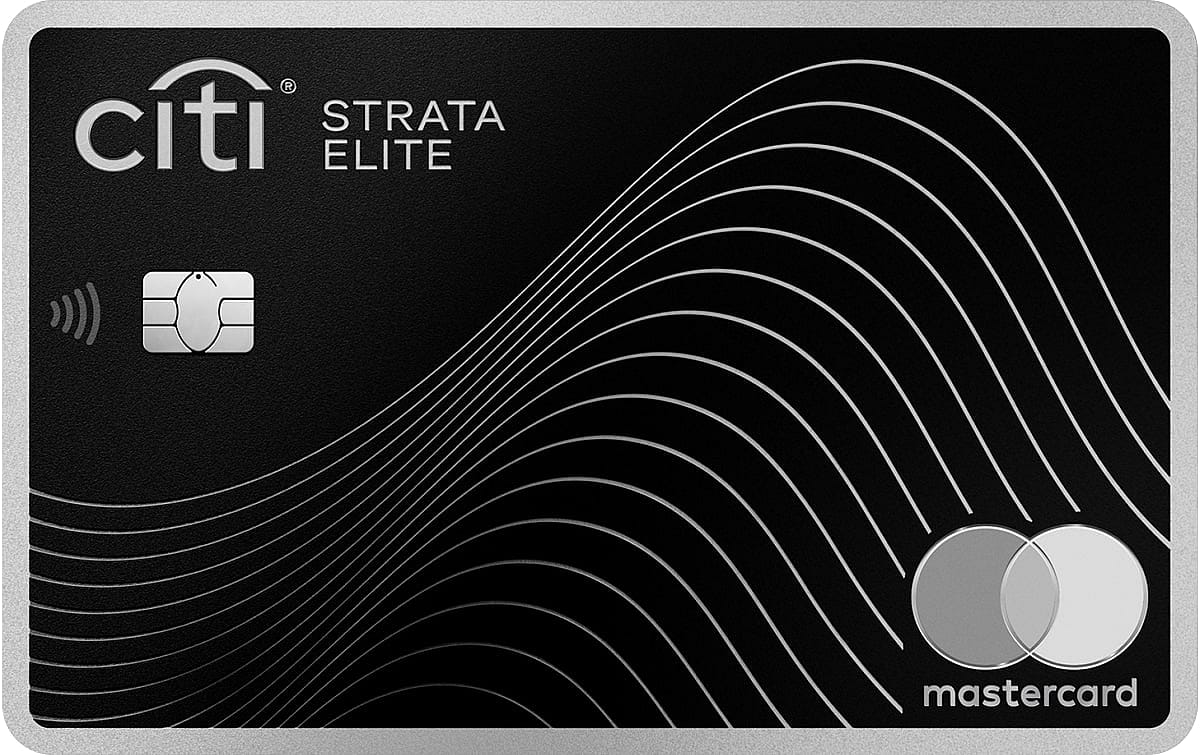
Ranked by SwitchWize's composite score. SwitchWize currently has no compensated product links.
Editorial review
What changed since the last update
Was this guide helpful?
Found an inaccurate, outdated, or missing claim? Report a correction. We verify reports against the relevant source before changing a guide or ranking.
